
How To Spot Genuine Motichoor Laddus: 7 Easy Checks Before Buying

Festive sweet shopping often means picking up a box of motichoor laddus , but their bright colour and attractive appearance do not always guarantee good quality. Before buying motichoor laddus, check their texture, aroma, colour, freshness and ingredients. These simple checks can help you choose better-quality sweets and avoid products that appear unusually artificial or poorly stored.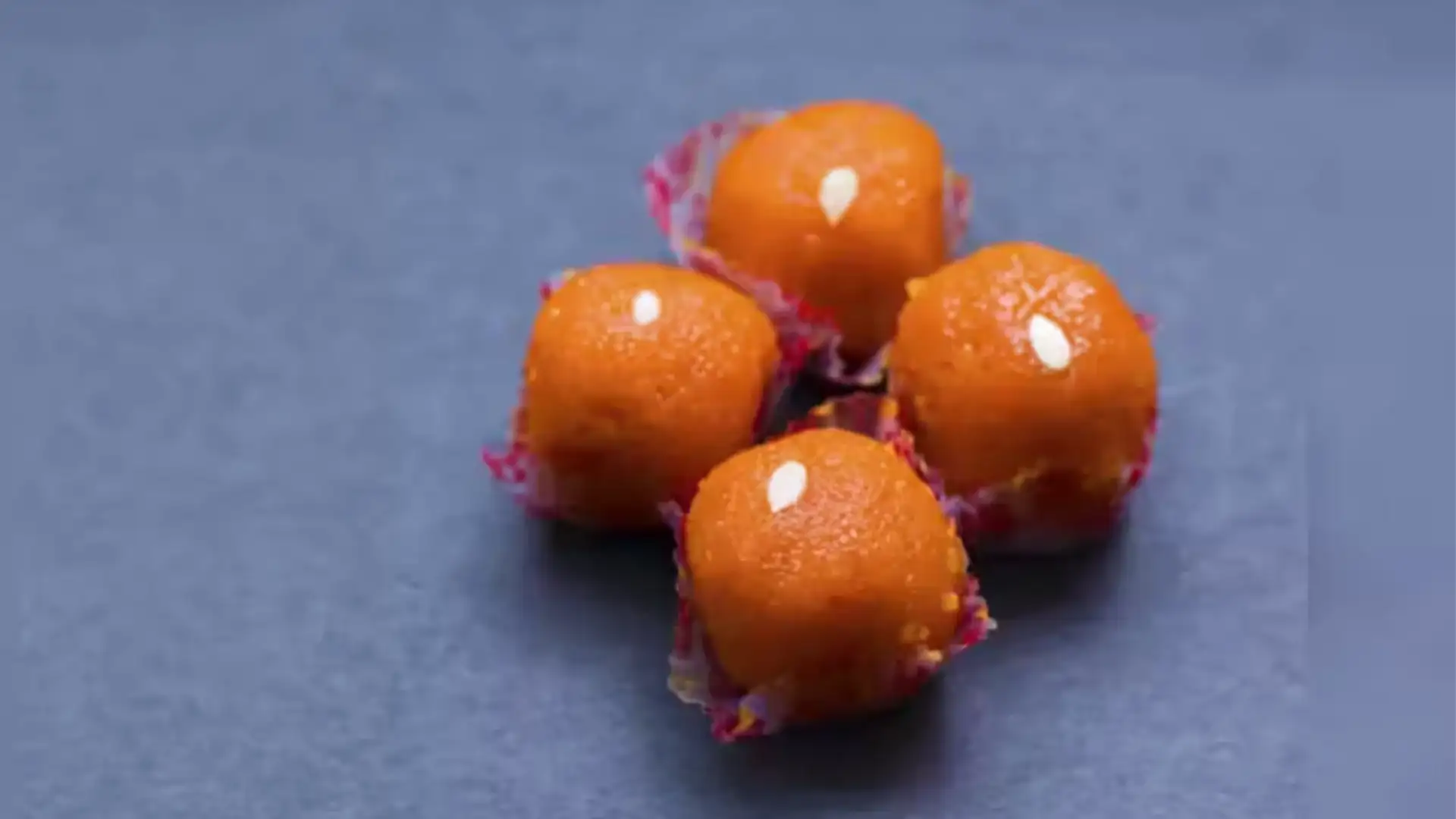
If the boondi looks unusually large, coarse or uneven, it may be closer to a regular boondi laddu. A well-made motichoor laddu should also feel soft and have a texture that breaks down easily in the mouth.
An intense colour can indicate the use of a large amount of food colouring, although colour alone cannot prove that a sweet is adulterated or unsafe. When in doubt, ask the seller about the ingredients and permitted colouring used.
Avoid sweets with an unusually strong, chemical-like or perfume-like smell. Such an aroma may indicate excessive use of artificial flavouring or essence.
Some richness or slight greasiness on the surface can be normal, especially when ghee is used. However, a laddu that feels excessively oily or leaves a large amount of oil behind may warrant caution.
If the sweetness is overpowering and there is almost no other flavour, it could indicate excessive sugar syrup or the use of lower-quality ingredients. Taste, however, is only one indicator and cannot independently establish the quality or purity of a sweet.
Before purchasing, ask the shop when the batch was prepared. For packaged sweets, check the manufacturing date, best-before or use-by information, as applicable.
Do not buy sweets showing visible mould, unusual discolouration, a stale smell or other obvious signs of spoilage.
For packaged motichoor laddus, check the ingredient list, packaging seal, manufacturing details, best-before date and FSSAI licence information. You can also ask whether the product contains ghee, vegetable oil, permitted food colours or artificial flavours.
If a laddu looks, smells or tastes unusual, it is safer to avoid eating it. When buying sweets for festivals, prioritise reliable sellers, proper packaging and clear ingredient information rather than choosing solely on the basis of colour or decoration.
Check The Boondi Texture
Traditional motichoor laddus are made using very fine boondi pearls. The tiny pearls should be relatively uniform and should bind together into a soft, delicate laddu.If the boondi looks unusually large, coarse or uneven, it may be closer to a regular boondi laddu. A well-made motichoor laddu should also feel soft and have a texture that breaks down easily in the mouth.
Watch Out For Very Bright Colours
A natural-looking motichoor laddu generally has a golden, yellow-orange or moderate orange shade. Be cautious when the sweet looks extremely bright, fluorescent or unnaturally red.An intense colour can indicate the use of a large amount of food colouring, although colour alone cannot prove that a sweet is adulterated or unsafe. When in doubt, ask the seller about the ingredients and permitted colouring used.
Smell The Laddu Before Buying
Fresh motichoor laddus should have a pleasant, appetising aroma. Depending on the recipe, you may notice the fragrance of ghee, cardamom, saffron or other ingredients.Avoid sweets with an unusually strong, chemical-like or perfume-like smell. Such an aroma may indicate excessive use of artificial flavouring or essence.
Check The Moisture And Texture
A good-quality laddu should be soft enough to break easily while still holding its shape. If the shop permits handling the sweet, check whether it feels reasonably moist rather than extremely dry or crumbly.Some richness or slight greasiness on the surface can be normal, especially when ghee is used. However, a laddu that feels excessively oily or leaves a large amount of oil behind may warrant caution.
You may also like
- Why do Princess Catherine and Prince William have a strict 'no shouting' rule for their children?
- FSSAI Takes Action Against Nestlé India Over Infant Formula Claims and Biotin Levels
- Tamannaah Bhatia's Aadhaar Card Photo Goes Viral, Fans React to Her Picture
- Meet Shankar Baba Papalkar, whose name appears as the father's name on the Aadhaar cards of 123 children
- Pay-slips to change for those earning between ₹15,000 and ₹25,000; find out how your take-home salary will be affected
Taste Should Not Be Only Sugar
The first bite of a motichoor laddu should not taste like sugar alone. A balanced sweet should allow other flavours, such as ghee, cardamom, saffron or nuts, to come through.If the sweetness is overpowering and there is almost no other flavour, it could indicate excessive sugar syrup or the use of lower-quality ingredients. Taste, however, is only one indicator and cannot independently establish the quality or purity of a sweet.
Check Freshness Before Buying
Fresh motichoor laddus are generally soft and moist. Sweets that have been stored for too long or under unsuitable conditions may become hard, dry or develop an unpleasant odour.Before purchasing, ask the shop when the batch was prepared. For packaged sweets, check the manufacturing date, best-before or use-by information, as applicable.
Do not buy sweets showing visible mould, unusual discolouration, a stale smell or other obvious signs of spoilage.
Choose A Trusted Sweet Shop
During festivals, sweet shops can experience a sharp increase in demand. Buying from a clean and established seller can make it easier to check how the sweets are prepared, stored and packaged.For packaged motichoor laddus, check the ingredient list, packaging seal, manufacturing details, best-before date and FSSAI licence information. You can also ask whether the product contains ghee, vegetable oil, permitted food colours or artificial flavours.
Appearance Is Not Proof Of Purity
These checks can help you assess the freshness and overall quality of motichoor laddus, but they cannot conclusively confirm whether a sweet is adulterated. Colour, smell and texture should therefore be treated as warning signs rather than definitive tests.If a laddu looks, smells or tastes unusual, it is safer to avoid eating it. When buying sweets for festivals, prioritise reliable sellers, proper packaging and clear ingredient information rather than choosing solely on the basis of colour or decoration.






Loving Newspoint? Download the app now
