
How to Start Composting at Home Without Creating Smells or Attracting Pests

Fruit and vegetable preparation can leave a steady stream of peels, cores and other scraps, even in a small flat. Composting offers one way to divert suitable organic material from general rubbish, but a bin needs the right balance of moisture, airflow and ingredients. Simply sealing scraps in a container is likely to cause problems.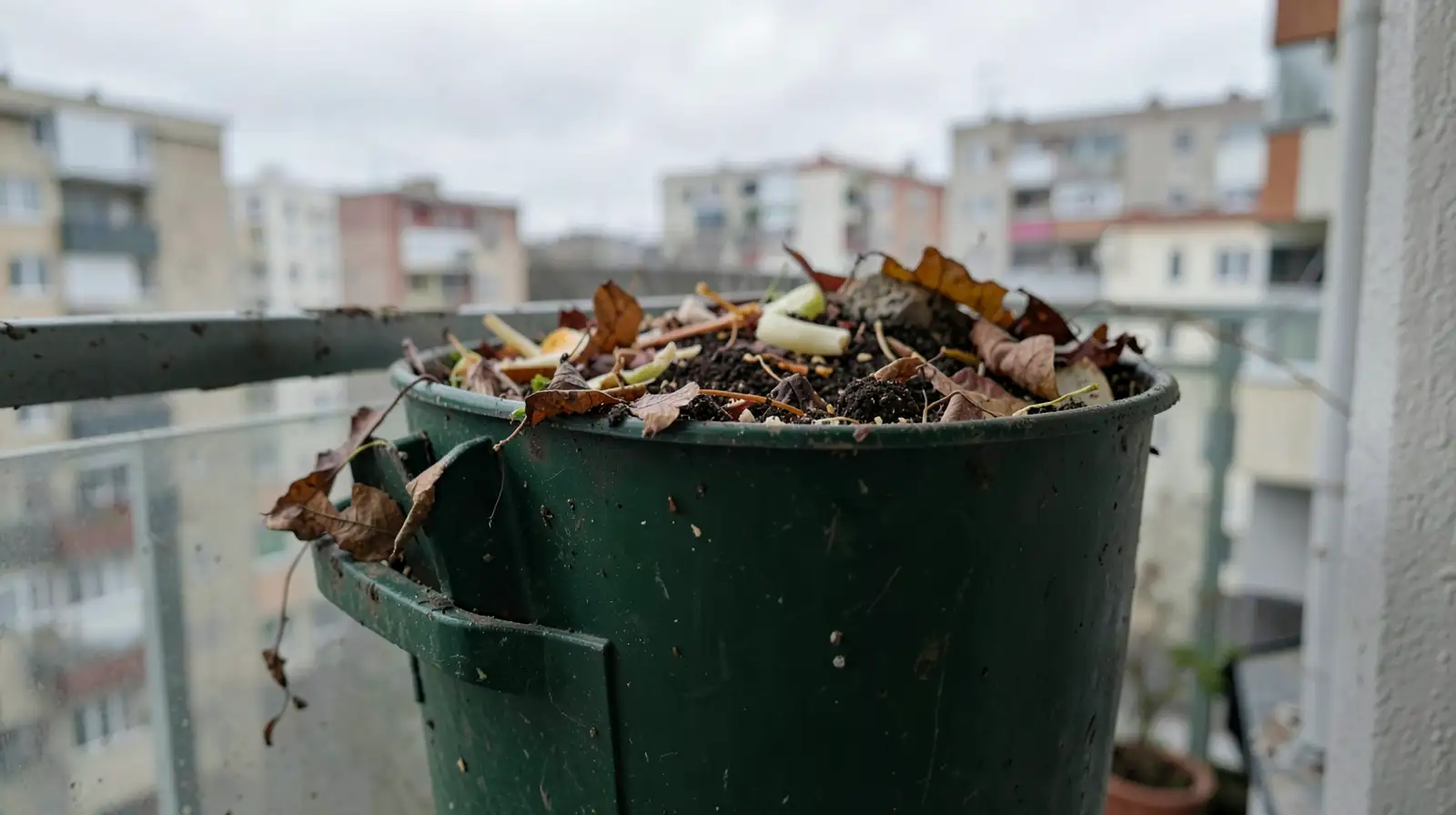
Apartment composting can work on a balcony, in a garden or through a community scheme. Choose a method you can maintain, learn which materials it accepts and keep the setup clean. A system managed consistently is more useful than a large bin that becomes unpleasant.
Keep the container stable, accessible and protected from heavy rain and direct heat where possible. Do not assume that every composting method can handle the same ingredients; follow the guidance supplied for your chosen system.
Avoid meat, fish, dairy, oily foods and cooked leftovers in a basic home compost bin unless the system specifically accepts them. These can attract pests and create odours. Do not add pet waste or diseased plant material unless the chosen method is designed to process it safely.
Finished compost is usually dark, crumbly and earthy-smelling, with few recognisable scraps remaining, though the time needed varies by method and conditions. Do not apply unfinished material directly around delicate plants. If managing a bin feels impractical, use a local organic-waste collection or community composting programme. The best composting system is one that fits your space and routine.
Apartment composting can work on a balcony, in a garden or through a community scheme. Choose a method you can maintain, learn which materials it accepts and keep the setup clean. A system managed consistently is more useful than a large bin that becomes unpleasant.
Choose a method that suits your space
A ventilated compost bin may suit a balcony or small outdoor area, while a community collection point can be easier if you have no suitable space. Some households use worm composting systems, but these need appropriate bedding, temperature and care; they are not simply a bucket of worms and scraps. Check building rules and local waste services before setting up a bin.You may also like
- Did you indulge in plenty of sweets and pooris during the festivities? Adopt these 5 habits starting today..
- Health: If you are overweight, avoid these 5 exercises at all costs—learn the correct approach instead..
- Effective Parenting: Balancing Rewards and Responsibilities
- Karwa Chauth 2026: Make the evening of your first Karwa Chauth memorable—these spots offer a beautiful view of the moon..
- 5 natural home remedies for shiny hair
Keep the container stable, accessible and protected from heavy rain and direct heat where possible. Do not assume that every composting method can handle the same ingredients; follow the guidance supplied for your chosen system.
Balance wet and dry materials
Fruit and vegetable scraps, coffee grounds and tea leaves may be suitable for many home systems, but accepted materials vary. Add dry leaves, torn uncoated cardboard or another recommended dry carbon-rich material to balance wet scraps. Chop larger pieces into smaller portions to help them break down more evenly, and mix materials rather than leaving a wet layer at the top.Avoid meat, fish, dairy, oily foods and cooked leftovers in a basic home compost bin unless the system specifically accepts them. These can attract pests and create odours. Do not add pet waste or diseased plant material unless the chosen method is designed to process it safely.
Prevent smells and know when compost is ready
A healthy compost mixture should be moist but not waterlogged. If it smells sour or rotten, it may be too wet or lacking airflow; add suitable dry material and mix gently. If it is very dry, add a small amount of water. Keep the bin clean around the outside and deal with fruit flies by covering fresh scraps with dry material and avoiding exposed food layers.Finished compost is usually dark, crumbly and earthy-smelling, with few recognisable scraps remaining, though the time needed varies by method and conditions. Do not apply unfinished material directly around delicate plants. If managing a bin feels impractical, use a local organic-waste collection or community composting programme. The best composting system is one that fits your space and routine.






Loving Newspoint? Download the app now
