
How To Stop Your Cat From Scratching Furniture Without Stressing Your Pet

Cats may be wonderful companions, but their scratching habits can leave sofas, carpets and wooden furniture looking rather worse for wear. Scratching is not simply destructive behaviour, though. Cats naturally scratch to stretch their bodies, maintain their claws and leave scent and visual marks in their surroundings.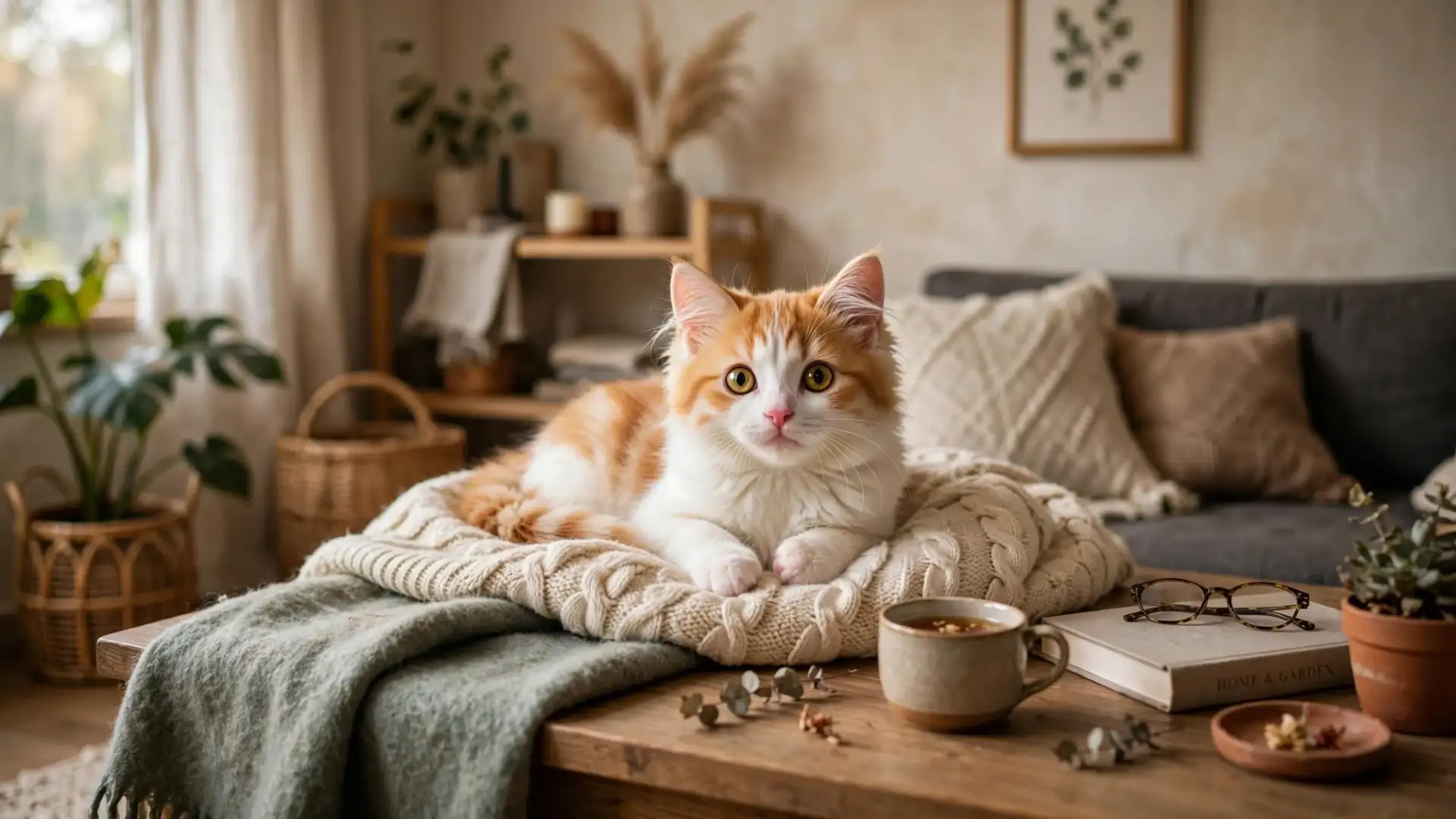
That means the aim should not be to eliminate scratching altogether. According to animal behaviour experts, redirecting the habit towards appropriate surfaces is usually a more practical approach. With the right setup and consistent encouragement, you can protect your furniture while still allowing your cat to scratch.
Choose a post that is tall enough for your cat to stretch fully and stable enough that it will not wobble. Cats can also have individual preferences for materials, so you may need to try cardboard, sisal or other suitable textures.
Placement matters just as much. Put the cat scratching post near furniture your pet already targets, rather than hiding it in an unused corner.
You can cover the targeted area with a suitable protective material or rearrange the space to make access more difficult. At the same time, keep the scratching alternative nearby.
Avoid shouting at or physically punishing your cat. According to behaviour specialists, punishment can create fear without teaching the animal where it should scratch instead.
You can also encourage interest in a scratching post by placing a favourite toy nearby or gently engaging your cat around it.
If your cat ignores the post initially, do not assume it has failed. Some cats take time to accept a new object, particularly if it has been placed somewhere they do not normally spend time.
It is also worth considering whether changes at home are affecting your cat's behaviour. Scratching can sometimes increase around areas where cats feel the need to mark territory.
With patience, suitable scratching surfaces and consistent positive reinforcement, you can manage cat scratching behaviour without fighting your pet's natural instincts. The goal is simple: give your cat a place it wants to scratch and make your furniture a less rewarding target.
Image Courtesy: Meta AI
That means the aim should not be to eliminate scratching altogether. According to animal behaviour experts, redirecting the habit towards appropriate surfaces is usually a more practical approach. With the right setup and consistent encouragement, you can protect your furniture while still allowing your cat to scratch.
Give Your Cat A Better Scratching Option
The easiest way to stop cat scratching furniture is to provide an appealing alternative. A sturdy scratching post or scratching board can give your pet a suitable place to use its claws.Choose a post that is tall enough for your cat to stretch fully and stable enough that it will not wobble. Cats can also have individual preferences for materials, so you may need to try cardboard, sisal or other suitable textures.
Placement matters just as much. Put the cat scratching post near furniture your pet already targets, rather than hiding it in an unused corner.
Make Furniture Less Appealing
If your cat repeatedly scratches one particular sofa or chair, temporarily making that surface less attractive may help break the habit.You can cover the targeted area with a suitable protective material or rearrange the space to make access more difficult. At the same time, keep the scratching alternative nearby.
Avoid shouting at or physically punishing your cat. According to behaviour specialists, punishment can create fear without teaching the animal where it should scratch instead.
Reward The Behaviour You Want
When your cat uses the scratching post, reward it with praise, play or a small treat. Positive reinforcement can help create a pleasant association with the new scratching area.You may also like
- Health Tips: If you also have this habit, then your eyes start getting weak due to this
- Getting Enough Choline in Pregnancy: Top Food Sources
- Raksha Bandhan 2026 Gift Ideas: Give Your Sister Something Special and Useful She'll Remember for Years
- Chanchalguda jail experience opens today in Hyderabad: All details
- Raksha Bandhan 2026: Know the History of Rakhi and Why This Festival Is So Special
You can also encourage interest in a scratching post by placing a favourite toy nearby or gently engaging your cat around it.
If your cat ignores the post initially, do not assume it has failed. Some cats take time to accept a new object, particularly if it has been placed somewhere they do not normally spend time.
Keep Claws And Environment In Check
Regular nail trimming, when done safely and appropriately, can help reduce the potential damage caused by scratching. If you are unsure how to trim your cat’s claws, ask a veterinary professional for guidance.It is also worth considering whether changes at home are affecting your cat's behaviour. Scratching can sometimes increase around areas where cats feel the need to mark territory.
With patience, suitable scratching surfaces and consistent positive reinforcement, you can manage cat scratching behaviour without fighting your pet's natural instincts. The goal is simple: give your cat a place it wants to scratch and make your furniture a less rewarding target.
Image Courtesy: Meta AI






Loving Newspoint? Download the app now
