
How To Store Fresh Herbs and Keep Them from Wilting Too Quickly

Fresh coriander, mint and other herbs can add fragrance and flavour to everyday meals. However, a bunch bought for one recipe may begin to wilt before the next cooking session. Poor storage, excess moisture and unsuitable temperatures can all shorten the time herbs remain fresh.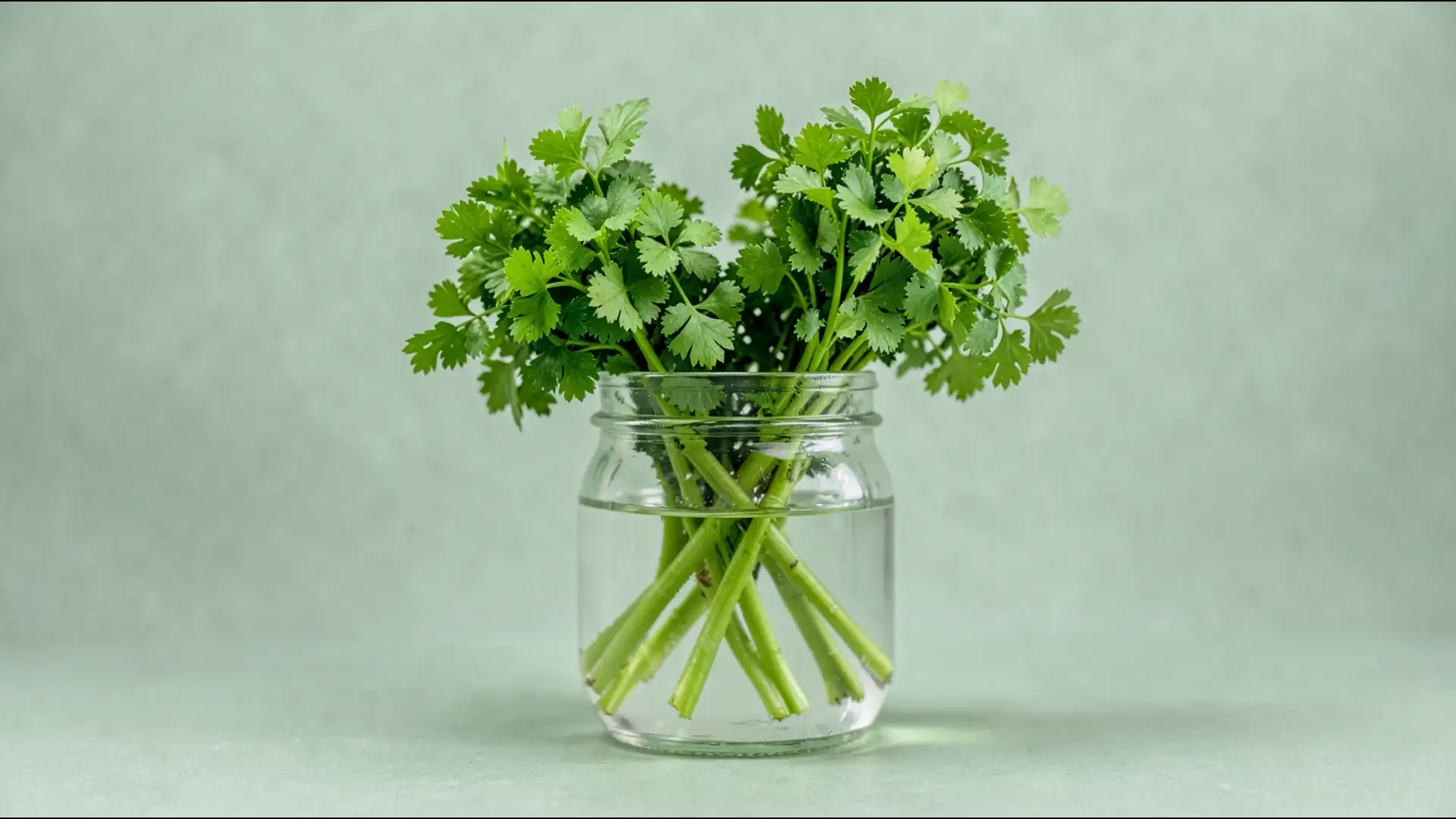
The solution is not necessarily to buy smaller quantities every time. Understanding how to prepare and store herbs can help reduce waste and make them easier to use throughout the week. A few simple habits can make a noticeable difference.
If the herbs are visibly dirty, rinse them gently under clean running water. Shake off excess water and dry them carefully with a clean kitchen towel or salad spinner.
Do not pack wet herbs directly into a sealed container. Trapped moisture can encourage deterioration, particularly when the leaves are already bruised.
Cover the leaves loosely with a clean bag and place the container in the refrigerator. Change the water when it becomes cloudy and check the leaves regularly.
Another option is to wrap dry herbs loosely in a slightly absorbent kitchen towel and place them inside a suitable container or reusable bag. The towel should not be soaking wet.
Keep them dry, remove damaged sections and wrap them loosely before refrigerating. Basil is more sensitive to cold and may darken in a very cold refrigerator. It can often be kept at room temperature in a small amount of water, away from direct sunlight.
The best method can vary with freshness, variety and room conditions, so inspect herbs rather than assuming one method works for everything.
Some people freeze chopped herbs in small portions with a little water or oil. These portions can be added directly to cooked dishes, although the texture may not be suitable for fresh garnishes.
Label the container with the herb name and date so that it is easy to identify later.
Fresh herbs are best when their condition is monitored regularly. Correct preparation, suitable storage and timely use can help prevent a large portion of each bunch from going to waste.
The solution is not necessarily to buy smaller quantities every time. Understanding how to prepare and store herbs can help reduce waste and make them easier to use throughout the week. A few simple habits can make a noticeable difference.
Start by sorting the herbs
Remove damaged, yellow or slimy leaves as soon as you bring the herbs home. Check the stems and discard any sections that are already deteriorating.If the herbs are visibly dirty, rinse them gently under clean running water. Shake off excess water and dry them carefully with a clean kitchen towel or salad spinner.
Do not pack wet herbs directly into a sealed container. Trapped moisture can encourage deterioration, particularly when the leaves are already bruised.
Store coriander and mint carefully
Coriander and mint often keep better when their stems are placed in a small container with a little water, much like a bouquet. Trim the ends of the stems and remove any leaves that would sit below the waterline.Cover the leaves loosely with a clean bag and place the container in the refrigerator. Change the water when it becomes cloudy and check the leaves regularly.
Another option is to wrap dry herbs loosely in a slightly absorbent kitchen towel and place them inside a suitable container or reusable bag. The towel should not be soaking wet.
Different herbs need different treatment
Hardier herbs such as rosemary and thyme have firmer stems and may tolerate slightly different storage conditions from delicate coriander or parsley.Keep them dry, remove damaged sections and wrap them loosely before refrigerating. Basil is more sensitive to cold and may darken in a very cold refrigerator. It can often be kept at room temperature in a small amount of water, away from direct sunlight.
The best method can vary with freshness, variety and room conditions, so inspect herbs rather than assuming one method works for everything.
Freeze herbs you cannot use quickly
If you have more herbs than you can reasonably use, freezing is an option. Wash and dry them thoroughly, chop them if convenient and place them in a suitable freezer container.Some people freeze chopped herbs in small portions with a little water or oil. These portions can be added directly to cooked dishes, although the texture may not be suitable for fresh garnishes.
Label the container with the herb name and date so that it is easy to identify later.
Make storage part of meal planning
Buy herbs according to the dishes you expect to prepare and use the most delicate leaves first. Check stored bunches every couple of days and remove any deteriorating sections.Fresh herbs are best when their condition is monitored regularly. Correct preparation, suitable storage and timely use can help prevent a large portion of each bunch from going to waste.
Next Story