
Rabbit Care Guide: What Every First-Time Pet Owner Should Know

Domestic rabbits can be rewarding companions, but their needs are often misunderstood. They are sometimes assumed to be low-maintenance pets that can live comfortably in a small cage and eat carrots every day.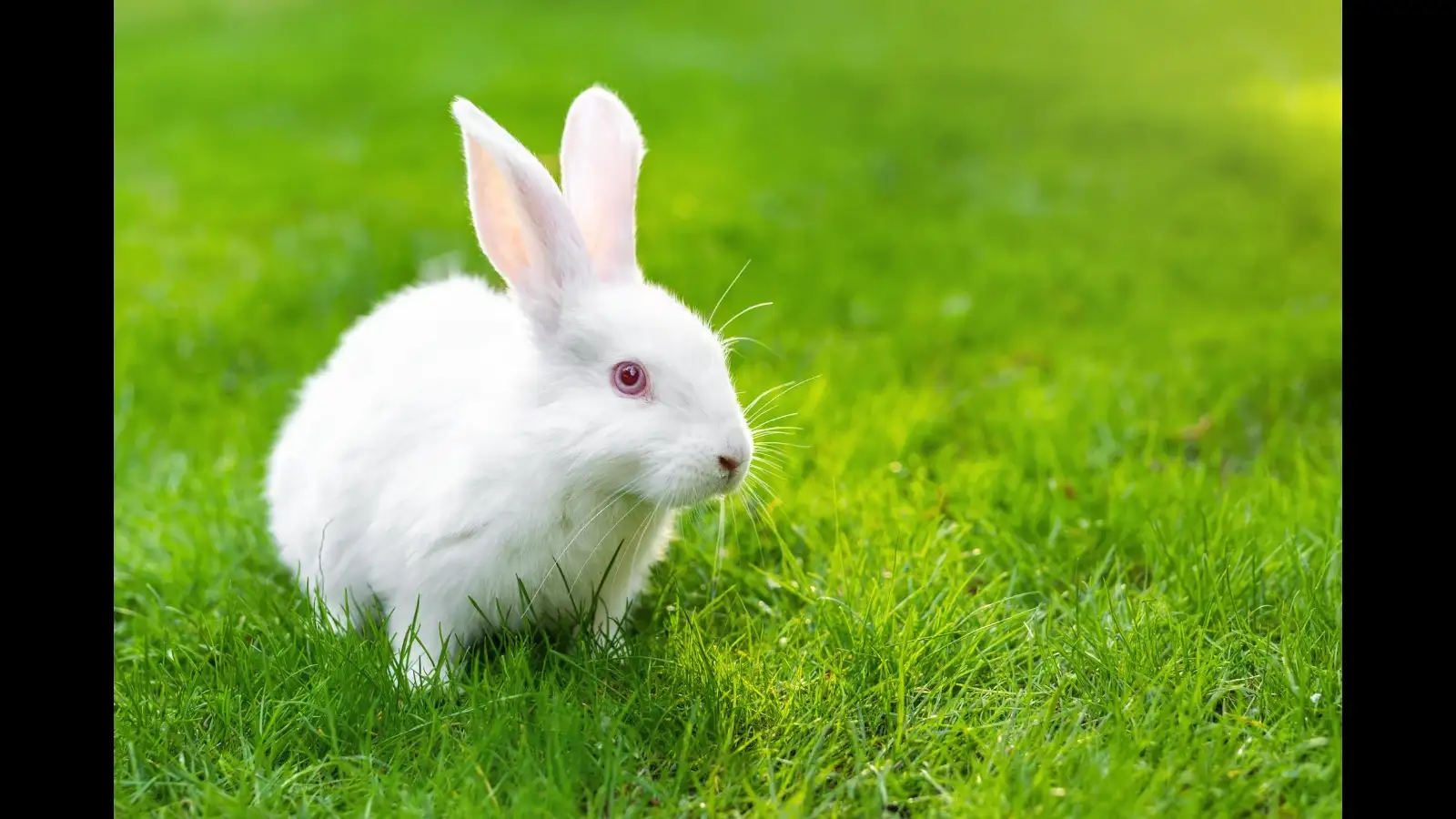
In reality, rabbits need a suitable living environment, regular interaction, opportunities to move and a carefully managed diet. Prospective owners should understand these responsibilities before deciding whether a rabbit fits their household.
In India, heat management deserves particular attention because rabbits can become seriously unwell when exposed to high temperatures.
Provide a larger, secure area with suitable flooring, hiding places and safe objects to investigate. Rabbits can chew electrical wires, furniture and household items, so remove hazards before allowing supervised movement around a room.
Avoid placing the enclosure in direct sunlight, a poorly ventilated balcony or a room that becomes excessively hot. The space should be dry, clean and protected from predators and other household dangers.
Never leave a rabbit in a parked vehicle or enclosed area where temperatures can rise rapidly. Check the room temperature regularly and ensure the animal has access to fresh water.
If a rabbit becomes weak, unusually inactive, disoriented or breathes rapidly, seek urgent veterinary advice. Do not wait for the symptoms to disappear.
Rabbits should not be immersed in cold water to cool them down. Sudden cooling can create additional risks, so follow veterinary advice if heat stress is suspected.
Fresh, washed leafy greens can provide variety, while rabbit-specific pellets should be offered in measured amounts appropriate to the animal's age and needs.
Carrots and fruit should be occasional treats rather than the main diet. A bowl filled with mixed seeds, grains and sweetened treats is not a suitable substitute for a properly balanced rabbit diet .
Introduce new foods gradually and seek veterinary advice if you are unsure which vegetables are appropriate. Sudden dietary changes can upset a rabbit's digestive system.
Some rabbits prefer a heavy water bowl, while others are accustomed to a bottle. Whichever method you choose, make sure the rabbit can drink comfortably and that the water supply remains reliable during hot weather.
Many rabbits are social animals and benefit from appropriate companionship, but introductions should be handled carefully. Do not assume that two unfamiliar rabbits will immediately get along.
Spend time observing your rabbit's normal behaviour so you can recognise changes in appetite, movement or droppings.
A rabbit that stops eating, produces noticeably fewer droppings or becomes unusually quiet needs prompt veterinary attention. These changes can signal a serious problem.
Before adopting a rabbit, research its long-term needs, expected costs and access to appropriate veterinary care. Responsible ownership means providing suitable conditions throughout the animal's life, not simply buying the equipment and food.
In reality, rabbits need a suitable living environment, regular interaction, opportunities to move and a carefully managed diet. Prospective owners should understand these responsibilities before deciding whether a rabbit fits their household.
In India, heat management deserves particular attention because rabbits can become seriously unwell when exposed to high temperatures.
1. Provide Enough Space
A rabbit needs room to stand upright, stretch, hop and explore. A small enclosure may serve as a resting or secure area, but it should not be the animal's only living space.Provide a larger, secure area with suitable flooring, hiding places and safe objects to investigate. Rabbits can chew electrical wires, furniture and household items, so remove hazards before allowing supervised movement around a room.
Avoid placing the enclosure in direct sunlight, a poorly ventilated balcony or a room that becomes excessively hot. The space should be dry, clean and protected from predators and other household dangers.
2. Protect Rabbits From Heat
Rabbits are vulnerable to heat stress. During hot weather, keep their living area shaded, well ventilated and comfortably cool.Never leave a rabbit in a parked vehicle or enclosed area where temperatures can rise rapidly. Check the room temperature regularly and ensure the animal has access to fresh water.
If a rabbit becomes weak, unusually inactive, disoriented or breathes rapidly, seek urgent veterinary advice. Do not wait for the symptoms to disappear.
Rabbits should not be immersed in cold water to cool them down. Sudden cooling can create additional risks, so follow veterinary advice if heat stress is suspected.
3. Get the Diet Right
A rabbit's diet should consist mainly of good-quality grass hay or suitable grass, available throughout the day. Hay supplies fibre and supports normal digestive function and tooth wear.Fresh, washed leafy greens can provide variety, while rabbit-specific pellets should be offered in measured amounts appropriate to the animal's age and needs.
Carrots and fruit should be occasional treats rather than the main diet. A bowl filled with mixed seeds, grains and sweetened treats is not a suitable substitute for a properly balanced rabbit diet .
Introduce new foods gradually and seek veterinary advice if you are unsure which vegetables are appropriate. Sudden dietary changes can upset a rabbit's digestive system.
4. Keep Water Available
Provide fresh, clean drinking water at all times. Check the container regularly to ensure it is not empty, dirty or difficult to use.Some rabbits prefer a heavy water bowl, while others are accustomed to a bottle. Whichever method you choose, make sure the rabbit can drink comfortably and that the water supply remains reliable during hot weather.
5. Support Natural Behaviour
Rabbits need opportunities to chew, forage, hide and explore. Offer safe chew toys, cardboard tunnels and secure hiding spaces.Many rabbits are social animals and benefit from appropriate companionship, but introductions should be handled carefully. Do not assume that two unfamiliar rabbits will immediately get along.
Spend time observing your rabbit's normal behaviour so you can recognise changes in appetite, movement or droppings.
6. Arrange Veterinary Care
Find a veterinarian who has experience treating rabbits. Regular health checks can help identify dental, digestive and other problems.A rabbit that stops eating, produces noticeably fewer droppings or becomes unusually quiet needs prompt veterinary attention. These changes can signal a serious problem.
Before adopting a rabbit, research its long-term needs, expected costs and access to appropriate veterinary care. Responsible ownership means providing suitable conditions throughout the animal's life, not simply buying the equipment and food.
Next Story