
How To Teach Kids About Mental Health In Simple, Everyday Ways Without Making It Feel Complicated

Helping children understand mental health from an early age is becoming just as important as teaching them good manners, healthy eating, and school discipline. Children experience stress, sadness, excitement, fear, and confusion, but they often do not have the words to explain what they are feeling. This is where parents, caregivers, and teachers play a crucial role. By using simple language, relatable examples, and daily routines, adults can make the idea of mental health easy and natural for children to grasp. The goal is not to overwhelm them with serious discussions, but to help them recognise emotions, express themselves safely, and understand that every feeling matters.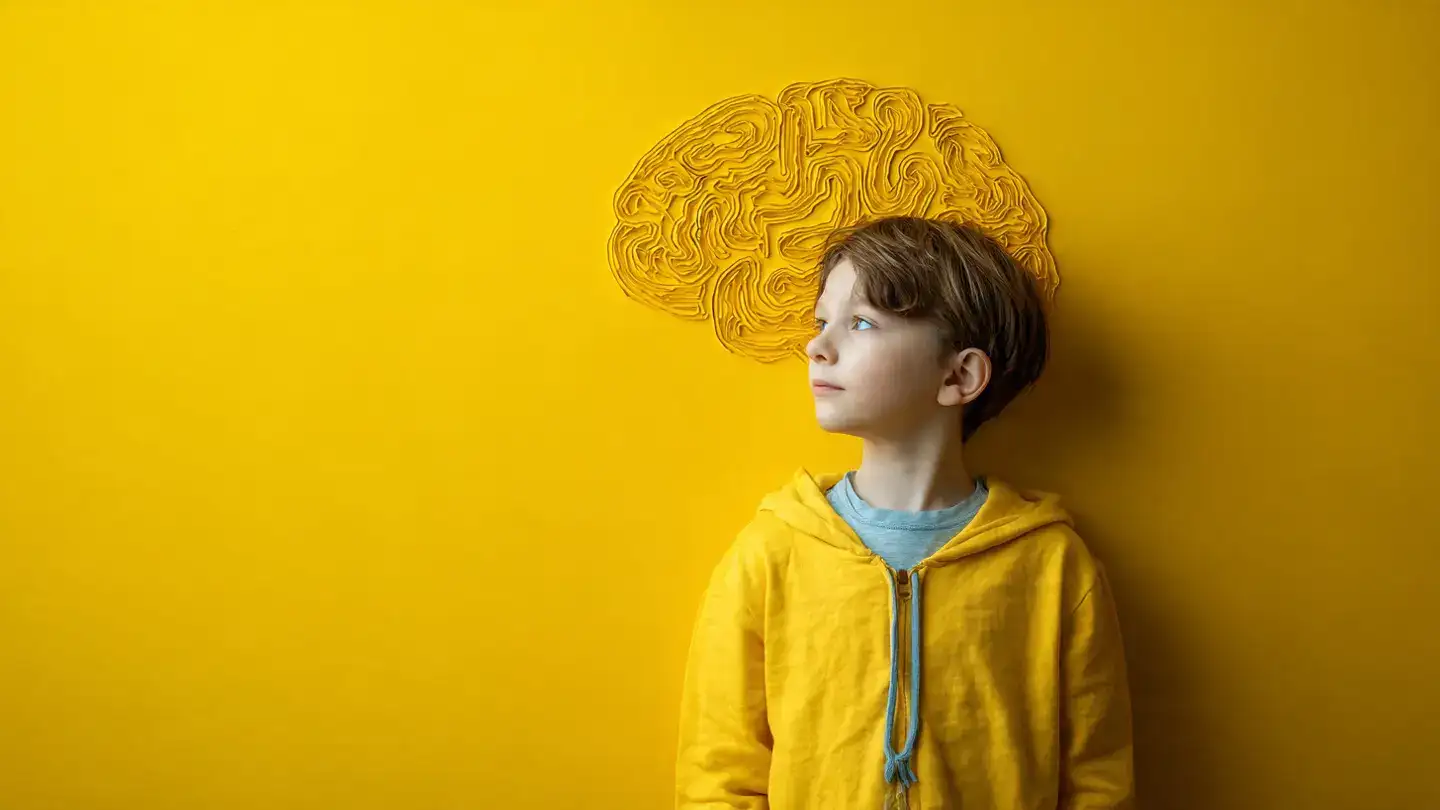
Use these moments to name feelings clearly. Instead of saying, “Don’t cry,” try saying, “It looks like you are feeling upset because your toy broke.” This helps children connect emotions with experiences.
Simple emotional vocabulary such as happy, sad, angry, worried, excited, lonely, and calm helps strengthen child emotional development . Once children learn to identify feelings, they become more comfortable talking about them instead of hiding them.
Ask simple questions during meals, bedtime, or while travelling, such as:
“How was your day?”
“What made you happy today?”
“Did anything make you feel worried?”
These regular check-ins build trust and make emotional wellbeing for children feel like a normal topic rather than something serious or scary.
When children know they can talk freely without being judged, they are more likely to share difficult feelings later in life as well.
For example, if a cartoon character feels nervous before a school event, you can ask, “Why do you think they are worried?” This creates a safe distance that helps children discuss feelings without feeling exposed.
Similarly, storytelling can be used to explain coping methods. A simple story about a child taking deep breaths before speaking in class can introduce healthy emotional habits naturally.
This approach supports mental health awareness for kids while keeping the learning process engaging and age-appropriate.
Teach simple habits such as:
deep breathing when angry,
counting to 10 when frustrated,
drawing when sad,
talking to a trusted adult when worried,
taking a short break when overwhelmed.
These small strategies help children understand that difficult feelings are normal and manageable.
Parents can also model this behaviour themselves. Saying, “I am feeling stressed, so I will take a few deep breaths,” teaches children by example. Kids learn more from what adults do than what they say.
A better approach is to validate what they feel. Statements like, “It is okay to feel nervous,” or “I understand why that made you sad,” help children feel seen and accepted.
This emotional safety forms the foundation of kids mental health . It teaches them that emotions are not bad and that asking for help is a strength.
A home where feelings are respected creates emotionally resilient children who can cope better with social pressure, academic stress, and friendships.
Explain how sleep helps the brain feel fresh, healthy food gives energy, outdoor play improves mood, and screen breaks help the mind relax. These ideas are easy for children to understand when linked to how they feel.
For instance, saying, “When we sleep well, our mind feels happier and stronger,” makes the connection simple and memorable.
These routines strengthen emotional wellbeing for children and also support long-term mental resilience.
Let them know they can always talk to parents, grandparents, teachers, siblings, or school counsellors. Use reassuring language such as, “Whenever your feelings feel too big, you can tell me.”
This reduces fear and stigma around emotional struggles. It also builds lifelong habits of seeking support when needed.
When children grow up believing that conversations about feelings are normal, they carry stronger emotional intelligence into adulthood.
Teaching children about mental health in simple ways is less about formal lessons and more about everyday consistency. Through small conversations, storytelling, emotional validation, and healthy habits, adults can help children understand their inner world with confidence. These early lessons shape stronger communication, resilience, and self-awareness that stay with them for years. In a fast-moving world where children face increasing academic and social pressure, these simple emotional tools can become one of the most valuable gifts adults give them.
Image Courtesy: Meta AI
Start With Feelings They Already Know
The easiest way to begin teaching mental health is by talking about emotions children already experience every day. Happiness after playtime, frustration during homework, nervousness before a test, or sadness after losing a toy are all familiar situations.Use these moments to name feelings clearly. Instead of saying, “Don’t cry,” try saying, “It looks like you are feeling upset because your toy broke.” This helps children connect emotions with experiences.
Simple emotional vocabulary such as happy, sad, angry, worried, excited, lonely, and calm helps strengthen child emotional development . Once children learn to identify feelings, they become more comfortable talking about them instead of hiding them.
Make Mental Health Part Of Everyday Conversations
One of the most effective parenting tips is to normalise conversations around emotions. Mental health should not be discussed only when a child is struggling.Ask simple questions during meals, bedtime, or while travelling, such as:
“How was your day?”
“What made you happy today?”
“Did anything make you feel worried?”
These regular check-ins build trust and make emotional wellbeing for children feel like a normal topic rather than something serious or scary.
When children know they can talk freely without being judged, they are more likely to share difficult feelings later in life as well.
Use Stories, Cartoons, And Real-Life Examples
Children understand ideas better when they are linked to stories. Books, cartoons, and even everyday family situations can be excellent ways of teaching mental health.For example, if a cartoon character feels nervous before a school event, you can ask, “Why do you think they are worried?” This creates a safe distance that helps children discuss feelings without feeling exposed.
Similarly, storytelling can be used to explain coping methods. A simple story about a child taking deep breaths before speaking in class can introduce healthy emotional habits naturally.
This approach supports mental health awareness for kids while keeping the learning process engaging and age-appropriate.
Teach Healthy Ways To Handle Big Emotions
Children need practical tools, not just emotional words. Once they understand feelings, the next step is helping them manage those emotions.Teach simple habits such as:
deep breathing when angry,
counting to 10 when frustrated,
drawing when sad,
talking to a trusted adult when worried,
taking a short break when overwhelmed.
These small strategies help children understand that difficult feelings are normal and manageable.
Parents can also model this behaviour themselves. Saying, “I am feeling stressed, so I will take a few deep breaths,” teaches children by example. Kids learn more from what adults do than what they say.
Build A Safe And Non-Judgemental Environment
Children open up more when they feel emotionally safe. If they are scolded for crying, being afraid, or expressing worry, they may begin to suppress emotions.A better approach is to validate what they feel. Statements like, “It is okay to feel nervous,” or “I understand why that made you sad,” help children feel seen and accepted.
This emotional safety forms the foundation of kids mental health . It teaches them that emotions are not bad and that asking for help is a strength.
A home where feelings are respected creates emotionally resilient children who can cope better with social pressure, academic stress, and friendships.
Encourage Healthy Daily Habits
Mental health education for children is incomplete without teaching lifestyle habits that support the mind.Explain how sleep helps the brain feel fresh, healthy food gives energy, outdoor play improves mood, and screen breaks help the mind relax. These ideas are easy for children to understand when linked to how they feel.
For instance, saying, “When we sleep well, our mind feels happier and stronger,” makes the connection simple and memorable.
These routines strengthen emotional wellbeing for children and also support long-term mental resilience.
You may also like
- Do snake plants really attract snakes: Understanding the truth about their appearance and why they are linked to snakes
- The Health Benefits of Chickpea Bread: A Natural Remedy
- Beware of Phishing Scams During Tax Season in India
- Instagram Introduces Carousel Editing Feature for Enhanced User Experience
- If your periods come on April 2, then on which day can getting intimate increase the chances of pregnancy?
Help Them Understand That Asking For Help Is Normal
One of the most valuable lessons in teaching mental health is showing children that they do not need to solve every feeling alone.Let them know they can always talk to parents, grandparents, teachers, siblings, or school counsellors. Use reassuring language such as, “Whenever your feelings feel too big, you can tell me.”
This reduces fear and stigma around emotional struggles. It also builds lifelong habits of seeking support when needed.
When children grow up believing that conversations about feelings are normal, they carry stronger emotional intelligence into adulthood.
Teaching children about mental health in simple ways is less about formal lessons and more about everyday consistency. Through small conversations, storytelling, emotional validation, and healthy habits, adults can help children understand their inner world with confidence. These early lessons shape stronger communication, resilience, and self-awareness that stay with them for years. In a fast-moving world where children face increasing academic and social pressure, these simple emotional tools can become one of the most valuable gifts adults give them.
Image Courtesy: Meta AI






More from our partners


Loving Newspoint? Download the app now
