
How To Teach Your Dog Basic Obedience Commands With Simple Daily Training Techniques That Actually Work

Training a dog is one of the most important responsibilities of pet ownership. Beyond teaching tricks, obedience training creates structure, improves communication and strengthens the relationship between a dog and its owner. A well-trained dog is often more confident, safer in public spaces and easier to manage at home. Basic obedience commands also help prevent behavioural problems that may arise from confusion, anxiety or lack of discipline.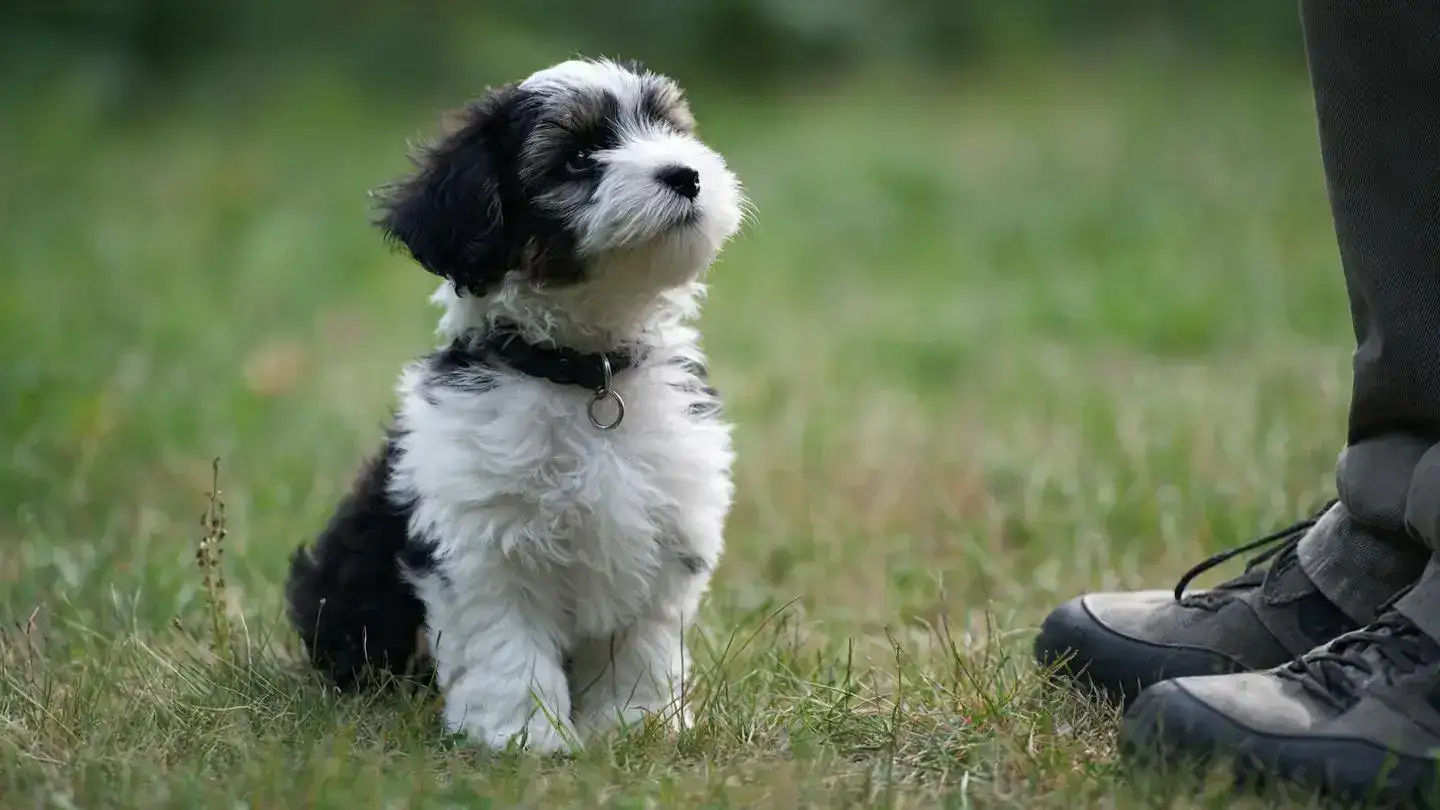
Many people assume dog training is difficult or only suitable for professionals, but basic obedience can often be taught at home with patience, consistency and positive reinforcement. Dogs learn through repetition, rewards and clear communication. Whether training a young puppy or an older rescue dog, building good habits early can lead to long-term behavioural benefits.
Training also provides mental stimulation, which is essential for a dog’s emotional wellbeing. Dogs that remain mentally engaged are often less likely to develop destructive behaviours such as excessive barking, chewing or digging.
In addition, obedience training improves social behaviour. Dogs that respond to commands are generally easier to introduce to guests, children and other animals. This can reduce stress during travel, vet visits or outdoor walks.
Consistency is one of the most important aspects of dog obedience training . The same words, tone and hand signals should be used every time. If one family member says 'come' while another says 'here', the dog may become confused.
Rewards also play a key role in encouraging positive behaviour. Small treats, praise or affection immediately after a correct response help dogs connect actions with rewards. Positive reinforcement is often far more effective than punishment-based methods.
Start by holding a treat close to the dog’s nose. Slowly move the treat upward and slightly backwards over the dog’s head. As the dog naturally raises its head to follow the treat, its body will usually lower into a sitting position.
The moment the dog sits, say 'sit' clearly and reward it immediately. Repeat the process several times daily until the dog begins responding to the verbal command alone.
This command can help control excitement during feeding, greeting visitors or preparing for walks.
Take a small step backwards. If the dog remains still for a few seconds, reward it with praise or a treat. Gradually increase both distance and time over multiple sessions.
Patience is essential during this stage. If the dog moves before being released, calmly restart without punishment. Over time, the dog will learn to remain calm and focused even with distractions nearby.
The 'stay' command is especially valuable for safety in public spaces or when opening doors and gates.
Begin in a quiet indoor area. Kneel down, open your arms and happily say the dog’s name followed by 'come'. Reward the dog immediately when it approaches.
Using an enthusiastic tone encourages dogs to associate the command with positive experiences. Training can later move outdoors using a leash in controlled environments.
Owners should avoid using 'come' only for unpleasant situations such as bath time or scolding, as this may create negative associations with the command.
Place a treat in one hand and keep it closed. Allow the dog to sniff or paw at the hand without opening it. Once the dog stops trying to reach the treat, say 'leave it' and reward with a different treat from the other hand.
With practice, dogs begin understanding that ignoring certain objects leads to rewards. This command can be extremely useful during walks or around household hazards.
Punishment or shouting may also create fear and confusion. Dogs respond more effectively to encouragement and structured repetition than harsh correction.
Training sessions should end on a positive note, even if progress feels slow. Frustration from owners can affect a dog’s confidence and willingness to learn.
Puppies often adapt quickly, but older dogs can also learn successfully with gradual exposure and patience. A calm and confident environment helps dogs focus better during obedience training sessions.
Consistency, positive reinforcement and daily interaction are the foundations of successful dog training. Teaching basic obedience commands may take time, but the long-term benefits are significant for both pets and owners. A well-trained dog is not only easier to manage but also happier, safer and more connected to its family. With patience and regular practice, even simple commands can create a stronger bond and a more harmonious life together.
Many people assume dog training is difficult or only suitable for professionals, but basic obedience can often be taught at home with patience, consistency and positive reinforcement. Dogs learn through repetition, rewards and clear communication. Whether training a young puppy or an older rescue dog, building good habits early can lead to long-term behavioural benefits.
Why Obedience Training Matters
Obedience training is not just about making a dog follow instructions. It helps create a safe and balanced environment for both pets and owners. Commands such as 'sit' or 'stay' can prevent dangerous situations, especially near roads, crowded areas or unfamiliar animals.Training also provides mental stimulation, which is essential for a dog’s emotional wellbeing. Dogs that remain mentally engaged are often less likely to develop destructive behaviours such as excessive barking, chewing or digging.
In addition, obedience training improves social behaviour. Dogs that respond to commands are generally easier to introduce to guests, children and other animals. This can reduce stress during travel, vet visits or outdoor walks.
Start With Short And Consistent Sessions
Dogs learn best through short and regular training sessions rather than long and exhausting lessons. Beginners should aim for sessions lasting around 10 to 15 minutes once or twice a day. Training should take place in a calm environment with minimal distractions.Consistency is one of the most important aspects of dog obedience training . The same words, tone and hand signals should be used every time. If one family member says 'come' while another says 'here', the dog may become confused.
Rewards also play a key role in encouraging positive behaviour. Small treats, praise or affection immediately after a correct response help dogs connect actions with rewards. Positive reinforcement is often far more effective than punishment-based methods.
Teaching The 'Sit' Command
The 'sit' command is usually the first lesson in basic dog commands because it is simple and useful in many situations.Start by holding a treat close to the dog’s nose. Slowly move the treat upward and slightly backwards over the dog’s head. As the dog naturally raises its head to follow the treat, its body will usually lower into a sitting position.
The moment the dog sits, say 'sit' clearly and reward it immediately. Repeat the process several times daily until the dog begins responding to the verbal command alone.
This command can help control excitement during feeding, greeting visitors or preparing for walks.
Teaching The 'Stay' Command
Once the dog understands 'sit', owners can begin teaching 'stay'. Ask the dog to sit first. Hold one hand out with the palm facing the dog and say 'stay'.Take a small step backwards. If the dog remains still for a few seconds, reward it with praise or a treat. Gradually increase both distance and time over multiple sessions.
Patience is essential during this stage. If the dog moves before being released, calmly restart without punishment. Over time, the dog will learn to remain calm and focused even with distractions nearby.
The 'stay' command is especially valuable for safety in public spaces or when opening doors and gates.
Teaching The 'Come' Command
The 'come' command is one of the most important safety-related lessons in dog behaviour training . It helps owners call dogs away from danger or distractions.Begin in a quiet indoor area. Kneel down, open your arms and happily say the dog’s name followed by 'come'. Reward the dog immediately when it approaches.
Using an enthusiastic tone encourages dogs to associate the command with positive experiences. Training can later move outdoors using a leash in controlled environments.
You may also like
- Can rose petals really boost collagen? Here's what research says about the viral skincare trend
- Atlee, wife Priya name their daughter Miyou
- Simone Ashley looks like the true 'Diamond of the Season' in iconic red McQueen gown at Cannes
- Inside Priyanka Chopra and Nick Jonas's Luxurious Encino Mansion
- Not Getting Views and Likes on Instagram Reels? Change These Hidden Settings Immediately
Owners should avoid using 'come' only for unpleasant situations such as bath time or scolding, as this may create negative associations with the command.
Teaching The 'Leave It' Command
Dogs are naturally curious and may attempt to pick up unsafe objects. The 'leave it' command teaches self-control and can prevent accidents.Place a treat in one hand and keep it closed. Allow the dog to sniff or paw at the hand without opening it. Once the dog stops trying to reach the treat, say 'leave it' and reward with a different treat from the other hand.
With practice, dogs begin understanding that ignoring certain objects leads to rewards. This command can be extremely useful during walks or around household hazards.
Common Training Mistakes To Avoid
Many dog owners unintentionally slow training progress by being inconsistent or impatient. Repeating commands too often without action can weaken their meaning. Instead of saying 'sit' multiple times, owners should guide the dog calmly and reward success.Punishment or shouting may also create fear and confusion. Dogs respond more effectively to encouragement and structured repetition than harsh correction.
Training sessions should end on a positive note, even if progress feels slow. Frustration from owners can affect a dog’s confidence and willingness to learn.
Socialisation Supports Better Obedience
Alongside command training, dogs benefit from regular socialisation. Exposure to different environments, sounds, people and animals helps reduce fear-based behaviour and improves responsiveness.Puppies often adapt quickly, but older dogs can also learn successfully with gradual exposure and patience. A calm and confident environment helps dogs focus better during obedience training sessions.
Consistency, positive reinforcement and daily interaction are the foundations of successful dog training. Teaching basic obedience commands may take time, but the long-term benefits are significant for both pets and owners. A well-trained dog is not only easier to manage but also happier, safer and more connected to its family. With patience and regular practice, even simple commands can create a stronger bond and a more harmonious life together.






More from our partners


Loving Newspoint? Download the app now
