
How To Teach Your Dog to Walk Calmly on a Loose Lead

Walking a dog should be an enjoyable part of the daily routine, but persistent pulling can make even a short outing difficult. Some dogs rush towards interesting smells, while others become excited by people, traffic or other animals. The behaviour is often linked to excitement and learned habits rather than deliberate disobedience.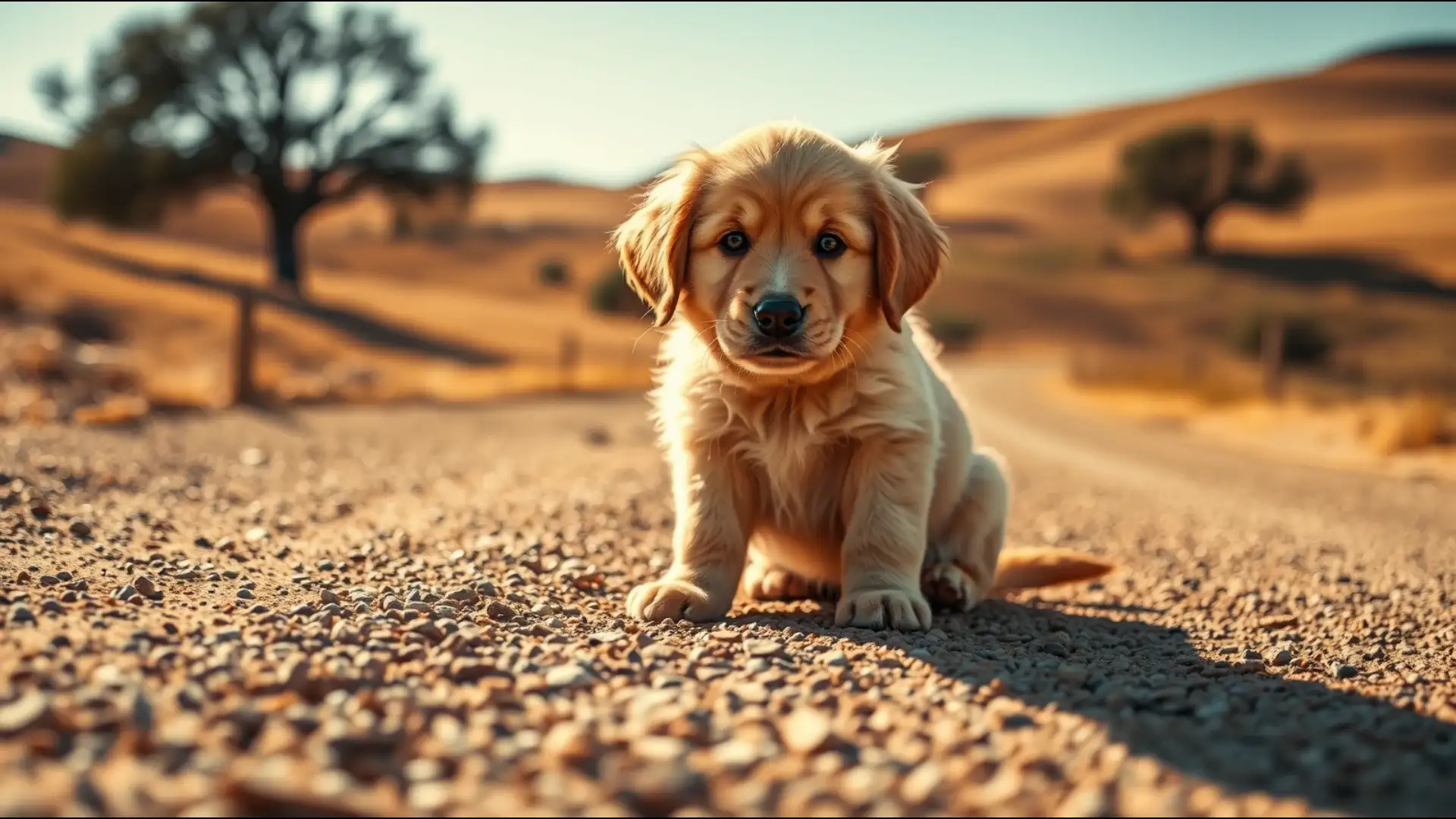
Loose-lead walking is a skill that can be taught gradually. The goal is not to keep the dog in a rigid position throughout the walk, but to encourage a relaxed lead and safer movement. Consistent practice is more useful than expecting an immediate change.
The equipment should not rub, restrict movement or create discomfort. Avoid relying on equipment that causes pain or fear to stop pulling.
A standard lead that gives you comfortable control is usually easier to manage than an excessively long or complicated arrangement during early training.
Take a few steps while holding the lead comfortably. When your dog walks near you without pulling, offer a small treat or verbal praise. Repeat the exercise in short sessions.
If the dog moves ahead and tightens the lead, stop moving. Wait for the dog to turn towards you or create a little slack, then continue. This helps teach that pulling does not make the walk progress faster.
Reward frequently at the beginning, then gradually reduce the frequency as the behaviour becomes more reliable. Keep the training sessions short enough to maintain your dog's attention.
Avoid pulling sharply on the lead or shouting. Harsh corrections can create fear and may make walks more stressful.
If your dog becomes too excited to respond, move further away from the distraction and try again. Give the animal time to settle before continuing.
Progress can vary according to age, temperament and previous experience. Seek help from a qualified, reward-based trainer if pulling is severe or accompanied by fear or aggression. Patience and regular practice make loose-lead walking more achievable.
Loose-lead walking is a skill that can be taught gradually. The goal is not to keep the dog in a rigid position throughout the walk, but to encourage a relaxed lead and safer movement. Consistent practice is more useful than expecting an immediate change.
Choose comfortable walking equipment
Use a well-fitted harness or collar that is appropriate for your dog's size and needs. A harness may offer better control for some dogs, particularly those that pull, but fit and design matter.The equipment should not rub, restrict movement or create discomfort. Avoid relying on equipment that causes pain or fear to stop pulling.
A standard lead that gives you comfortable control is usually easier to manage than an excessively long or complicated arrangement during early training.
Begin practice in a quiet place
Start indoors, in a garden or in another low-distraction area. Allow your dog to become familiar with the lead and reward calm behaviour.Take a few steps while holding the lead comfortably. When your dog walks near you without pulling, offer a small treat or verbal praise. Repeat the exercise in short sessions.
If the dog moves ahead and tightens the lead, stop moving. Wait for the dog to turn towards you or create a little slack, then continue. This helps teach that pulling does not make the walk progress faster.
Reward the behaviour you want
Use small rewards when your dog walks with a relaxed lead. Some dogs respond well to food, while others are motivated by praise or permission to investigate a safe area.You may also like
- Chhath Puja Cleaning Tips 2026: Avoid These 6 Common Mistakes While Cleaning Your Home
- Quote of the day by Socrates: “To Find Yourself Think for Yourself” why it stays relevant in the world of social media
- Pneumonia Risk in Winter 2026: Early Warning Signs, High-Risk Groups and Essential Prevention Tips
- Post-Diwali Health Tips 2026: 7 Simple Ways to Improve Digestion After Eating Too Many Sweets and Fried Foods
- Teens, young adults among buyers: Bengal's luxury car club grows beyond Kolkata, gets younger
Reward frequently at the beginning, then gradually reduce the frequency as the behaviour becomes more reliable. Keep the training sessions short enough to maintain your dog's attention.
Avoid pulling sharply on the lead or shouting. Harsh corrections can create fear and may make walks more stressful.
Gradually introduce distractions
Once your dog is comfortable in a quiet environment, practise in places with slightly more activity. Increase the difficulty slowly rather than starting beside a busy road or crowded park.If your dog becomes too excited to respond, move further away from the distraction and try again. Give the animal time to settle before continuing.
Be consistent during everyday walks
Everyone who walks the dog should follow the same basic approach. If pulling sometimes leads to reaching an exciting destination, the dog may continue to repeat the behaviour.Progress can vary according to age, temperament and previous experience. Seek help from a qualified, reward-based trainer if pulling is severe or accompanied by fear or aggression. Patience and regular practice make loose-lead walking more achievable.






Loving Newspoint? Download the app now
