
Guava Benefits: How to Choose, Store and Enjoy This Nutrient-Rich Fruit

Guava is a familiar tropical fruit with a distinctive aroma, edible seeds and flesh that ranges from white to pink. It can be eaten whole after washing or sliced into a fruit bowl, making it a convenient option for people who prefer simple snacks without elaborate preparation. Its flavour varies with ripeness and variety.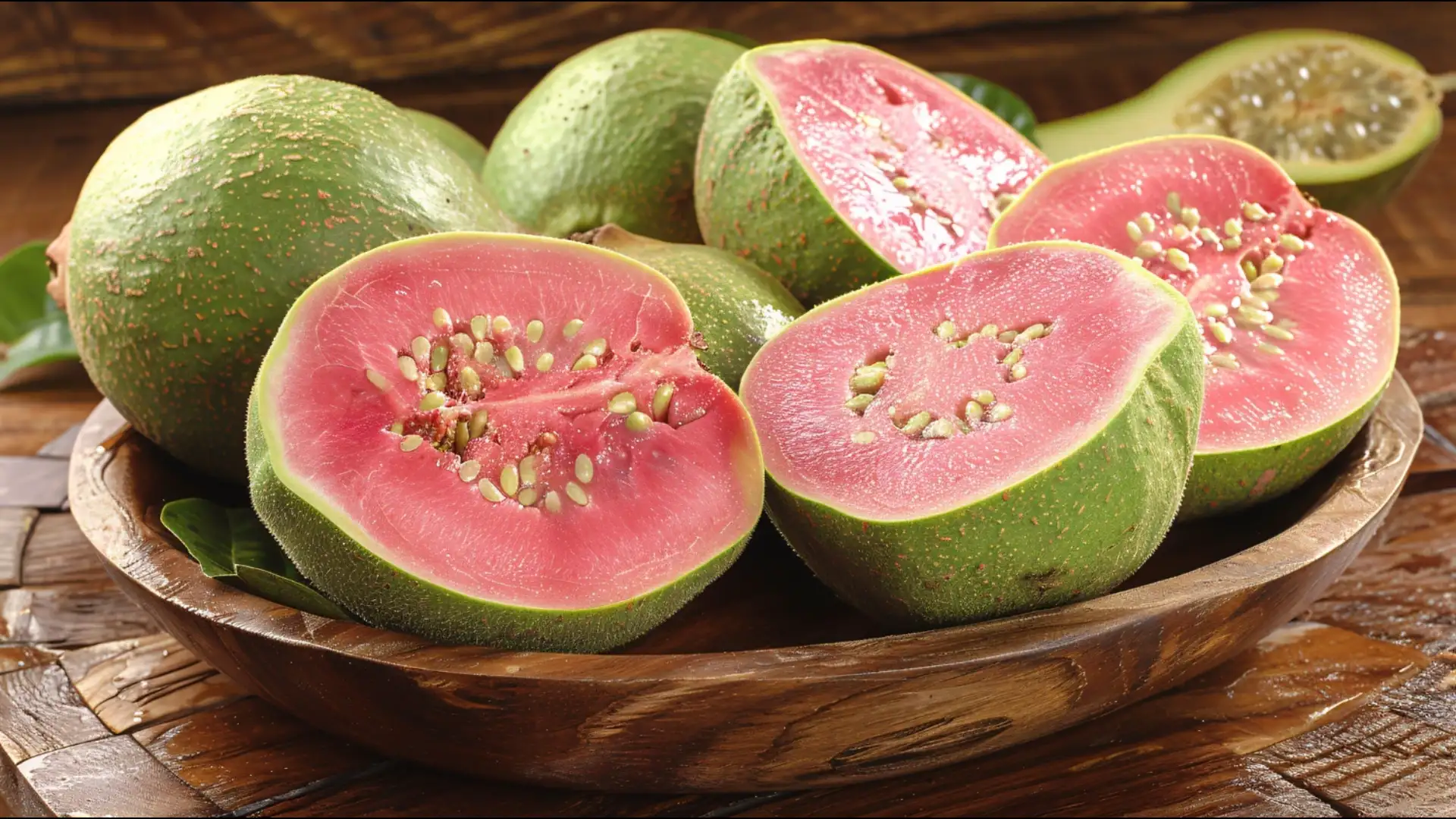
Beyond its taste, guava provides vitamin C, fibre and other nutrients that contribute to a balanced diet. Choosing fruit carefully helps avoid disappointing, underripe pieces, while suitable storage preserves quality. A few practical preparation ideas can also make guava easier to include in breakfast, afternoon snacks and everyday vegetarian meals.
Its nutritional value does not make it a treatment for illness or a replacement for other foods. Include guava alongside different fruits, vegetables, whole grains, pulses, nuts and other suitable protein sources to obtain a broader range of nutrients.
Eating the fruit whole also provides a different experience from drinking strained juice, which may contain less fibre and can be easier to consume quickly in larger quantities.
Very hard fruit may need additional ripening time. Keep it at room temperature and check it regularly rather than squeezing it repeatedly. Once ripe, refrigerate it if you are not planning to eat it immediately.
Diced guava can also add texture to a fresh salad. If you prefer a drink, blend the fruit with water and other fruit, adjusting the consistency to your liking. Avoid adding large amounts of sugar when the fruit is already sweet.
Discard fruit that develops mould, an unusual fermented smell or a slimy texture. Cutting only what you need helps reduce waste and keeps the remaining fruit in better condition.
Beyond its taste, guava provides vitamin C, fibre and other nutrients that contribute to a balanced diet. Choosing fruit carefully helps avoid disappointing, underripe pieces, while suitable storage preserves quality. A few practical preparation ideas can also make guava easier to include in breakfast, afternoon snacks and everyday vegetarian meals.
Guava benefits and nutritional value
Guava is particularly notable for its vitamin C content, although the amount varies according to the variety and size of the fruit. It also contains dietary fibre, which supports normal digestive function when consumed as part of a balanced diet.Its nutritional value does not make it a treatment for illness or a replacement for other foods. Include guava alongside different fruits, vegetables, whole grains, pulses, nuts and other suitable protein sources to obtain a broader range of nutrients.
Eating the fruit whole also provides a different experience from drinking strained juice, which may contain less fibre and can be easier to consume quickly in larger quantities.
You may also like
- 'Did you put pumpkin in the khichdi?': Richa Chadha reveals how Ali Fazal's hands-on parenting sometimes turns into micromanaging, even from another city
- NPPA Slashes Prices of 543 Oncology Drugs by Up to 93% Effective Nov 9
- Gastroenterologist Decodes Liver Risks, Normal Range, and Causes
- Dr S K Sarin: Dr SK: Sarin Advises Not To Outsource Your Body To Doctors
- Women's Health: If women notice these changes in themselves after the age of 40, they should not ignore them..
How to choose a ripe guava
Look for fruit with intact skin and no extensive bruising, leaking patches or visible mould. Depending on the variety, ripe guava may feel slightly softer when gently pressed and develop a noticeable sweet aroma.Very hard fruit may need additional ripening time. Keep it at room temperature and check it regularly rather than squeezing it repeatedly. Once ripe, refrigerate it if you are not planning to eat it immediately.
Simple ways to enjoy guava
Wash guava thoroughly under running water before cutting or eating it. Slice it into wedges for a convenient snack, or combine it with other fruits for a colourful breakfast bowl.Diced guava can also add texture to a fresh salad. If you prefer a drink, blend the fruit with water and other fruit, adjusting the consistency to your liking. Avoid adding large amounts of sugar when the fruit is already sweet.
Storage tips to reduce waste
Store ripe guava in the refrigerator and use it while it remains fresh. Cut portions should be placed in a clean, covered container and refrigerated promptly.Discard fruit that develops mould, an unusual fermented smell or a slimy texture. Cutting only what you need helps reduce waste and keeps the remaining fruit in better condition.






Loving Newspoint? Download the app now
