
Planning a Trip to Northeast India? Follow These Local Customs and Travel Tips

Northeast India offers a remarkable mix of mountain landscapes, traditional villages, indigenous cultures, local cuisines and colourful festivals. From the living root bridges of Meghalaya to the monasteries of Arunachal Pradesh and the cultural heritage of Nagaland, the region offers experiences that go beyond conventional sightseeing.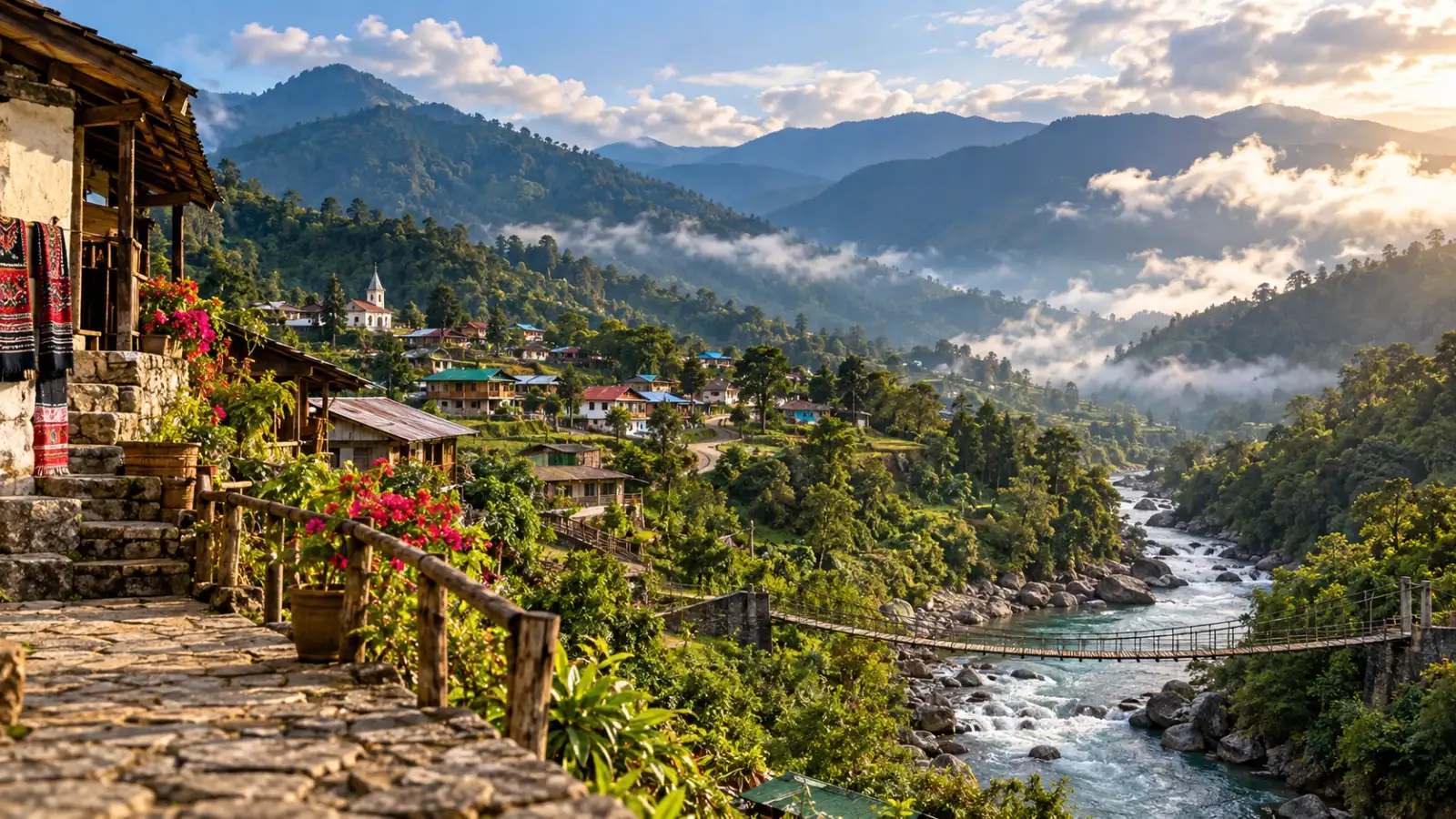
However, travelling through Northeast India requires more than planning transport and choosing destinations. The region comprises eight states, each with its own languages, customs, community traditions and social practices. Even neighbouring communities may have different expectations regarding dress, photography, religious spaces and visitors' behaviour.
Respectful travel begins with understanding that local customs are not simply attractions for tourists. They are part of people's everyday lives, beliefs and identities. By learning a little before arriving, listening to residents and supporting local businesses, travellers can enjoy a more meaningful journey while reducing their impact on the communities they visit.
For example, Meghalaya is home to Khasi, Garo and Jaintia communities, each with distinct traditions. Nagaland has numerous Naga communities with their own cultural identities, while Arunachal Pradesh is home to many indigenous groups with different languages and practices.
Read about the places you intend to visit, particularly if your itinerary includes remote villages, religious sites or community festivals. Ask your accommodation provider or local guide whether there are any visitor guidelines you should know about.
Learning a few basic greetings in the local language can also make everyday interactions easier. English and Hindi may be understood in some places, but their use varies. A polite greeting, a patient conversation and a willingness to listen can help you connect with people without making assumptions about their language or background.
Modest clothing is a sensible choice when visiting monasteries, churches and other places of worship. Depending on the site, visitors may be expected to cover their shoulders, remove footwear or follow particular rules about head coverings. Check the instructions displayed at the entrance rather than assuming that the same rules apply everywhere.
In villages, avoid treating traditional clothing as a costume or wearing ceremonial items without permission. Some garments and accessories have cultural significance, and their use may be associated with specific occasions or community roles.
Practical clothing is especially important when trekking or visiting remote areas. Carry suitable footwear, rain protection and warm layers when necessary. Being prepared for the local weather helps you travel comfortably without relying on unnecessary purchases during the trip.
Always ask before photographing local residents, particularly children, elderly people, religious figures and people participating in ceremonies. A friendly gesture is not a substitute for permission. If someone declines, respect the decision without arguing or attempting to take the photograph secretly.
Photography rules may also apply inside monasteries, churches, village institutions and sacred spaces. Some sites permit photography outdoors but prohibit it indoors. Others may restrict cameras entirely during prayers or ceremonies.
Avoid photographing sensitive locations, private property or official installations where restrictions apply. If you are unsure, ask a local guide or the person responsible for the site.
Social media adds another consideration. Before posting photographs of individuals or community events, think about whether the images could expose someone to unwanted attention or misrepresent a local tradition. Responsible photography means respecting people's privacy, not simply collecting attractive pictures.
Some settlements have community-managed spaces, sacred areas, private homes or forests governed by local rules. Visitors should follow instructions about where they can walk, what they can photograph and which areas are off-limits.
Do not enter homes, gardens or agricultural land without permission. Avoid touching objects in ceremonial spaces or removing items that appear culturally significant. Even when a place looks quiet, residents may be working, attending religious activities or carrying out household responsibilities.
If a village requires visitors to register, pay a community fee or hire an authorised guide, follow the established process. Such arrangements can help communities manage tourism and ensure that local people benefit from visitors.
A useful rule is to ask before entering, touching or photographing anything that is not clearly intended for public use.
However, festivals should not be treated merely as performances created for visitors. They may have agricultural, historical, spiritual or community significance, and the meaning of particular rituals can differ between groups.
Before attending, find out whether the event is open to visitors and whether any activities have specific rules. Some performances may be public, while particular ceremonies or spaces may be reserved for community members.
Follow instructions from organisers, avoid interrupting performances and ask before taking close-up photographs. If traditional clothing, dances or ceremonial objects are part of the event, do not assume that you can touch or handle them.
Buying locally made crafts and food at authorised stalls is another way to support festival communities. Choose products responsibly and avoid purchasing objects that appear to have been removed from protected cultural or natural sites.
Staying in a homestay can help you learn about local food, household routines and the practical realities of life in the region. However, remember that hosts are not obliged to explain every aspect of their culture or provide constant entertainment. Treat their home as a private space and follow the arrangements agreed upon before your stay.
When buying handicrafts, ask about the product's origin and how it was made. Purchasing directly from artisans, where possible, can help keep more of the spending within the community.
Be prepared to pay fair prices for services rather than expecting unusually low rates because a destination is remote. At the same time, confirm costs in advance to avoid misunderstandings.
Responsible tourism is not about avoiding spending. It is about making thoughtful choices that respect local people, recognise their work and allow communities to benefit from visitors.
When eating with a local family, observe how the meal is served and ask politely if you are unsure about any customs. Follow your host's guidance regarding seating, serving and shared dishes. Do not criticise unfamiliar ingredients or assume that every household follows the same dietary practices.
If you are vegetarian, have food allergies or follow a specific diet, explain your requirements clearly before ordering or accepting a meal. Ask about ingredients, cooking oils, sauces and shared cooking equipment when necessary. Food preparation methods can vary, so a dish's name alone may not tell you everything it contains.
Try local vegetarian dishes where available, and be open to learning about regional ingredients. If you do not wish to eat something offered by a host, decline politely rather than making negative comments about the food.
Being respectful does not mean abandoning your dietary needs. Clear communication helps both visitors and hosts avoid uncomfortable situations.
Carry reusable water bottles where practical, dispose of rubbish properly and avoid leaving plastic packaging along trekking routes. Never throw waste into rivers or waterfalls, even if the surrounding area already appears polluted.
Follow marked paths and local guidance when visiting forests, caves and mountain trails. Do not disturb wildlife, feed wild animals or collect plants, rocks and other natural objects without permission. Some locations may have restrictions on access or activities to protect fragile environments.
Waterfalls and rivers can become dangerous during heavy rain, particularly during the monsoon. Follow local safety instructions and avoid entering water when currents are strong or conditions are uncertain.
Respecting the environment also means recognising that natural areas may be important to local communities for cultural, spiritual or livelihood reasons. Ask before entering forests or other community-managed areas where access rules are unclear.
Indian citizens visiting Arunachal Pradesh generally need an Inner Line Permit. Indian travellers entering Nagaland and Mizoram should also check the applicable Inner Line Permit requirements before departure. Some border areas and specific destinations may have additional restrictions.
Foreign nationals may need different documents, including Protected Area Permits or other authorisations for certain destinations. Do not assume that the rules for Indian citizens apply to international visitors.
Keep your identification and required travel documents accessible during the journey. Follow instructions at checkpoints and avoid entering restricted areas without the necessary permission.
Permit requirements are administrative rules rather than optional formalities. Checking them in advance can prevent delays, changes to your itinerary and difficulties at entry points. Confirm the latest requirements through the relevant state government's official portal before travelling.
Build flexibility into your itinerary rather than scheduling every activity tightly. Allow extra time for journeys between destinations and avoid pressuring drivers to travel faster than is safe.
In smaller settlements, shops and services may operate according to local routines rather than the schedules familiar to visitors from larger cities. Confirm transport timings and accommodation arrangements in advance, especially when visiting remote places.
Keep noise levels low in residential neighbourhoods and avoid treating every public gathering as an opportunity for photographs. If a community is holding a private event or residents are carrying out daily work, give them space.
Patience is an important part of responsible travel. A flexible approach can reduce stress for visitors while respecting the people who live and work in the places being explored.
Avoid making broad statements about Northeast Indian communities based on one interaction. The region is culturally diverse, and one person's views or practices cannot represent an entire state or community.
Listen when local residents explain why a particular place is sacred, why photography is restricted or why visitors should follow a specific rule. Avoid turning cultural differences into jokes or making assumptions based on appearance, language or clothing.
If you make a mistake, apologise and follow the guidance given. Respectful travel is not about being perfect. It is about approaching unfamiliar places with curiosity, consideration and a willingness to learn.
However, travelling through Northeast India requires more than planning transport and choosing destinations. The region comprises eight states, each with its own languages, customs, community traditions and social practices. Even neighbouring communities may have different expectations regarding dress, photography, religious spaces and visitors' behaviour.
Respectful travel begins with understanding that local customs are not simply attractions for tourists. They are part of people's everyday lives, beliefs and identities. By learning a little before arriving, listening to residents and supporting local businesses, travellers can enjoy a more meaningful journey while reducing their impact on the communities they visit.
1. Learn About Local Customs Before Your Trip
One of the most useful things you can do before travelling to Northeast India is research the particular state, town or village on your itinerary. Customs that are common in one community may not apply to another, so avoid treating the entire region as culturally uniform.For example, Meghalaya is home to Khasi, Garo and Jaintia communities, each with distinct traditions. Nagaland has numerous Naga communities with their own cultural identities, while Arunachal Pradesh is home to many indigenous groups with different languages and practices.
Read about the places you intend to visit, particularly if your itinerary includes remote villages, religious sites or community festivals. Ask your accommodation provider or local guide whether there are any visitor guidelines you should know about.
Learning a few basic greetings in the local language can also make everyday interactions easier. English and Hindi may be understood in some places, but their use varies. A polite greeting, a patient conversation and a willingness to listen can help you connect with people without making assumptions about their language or background.
2. Dress Appropriately for Villages and Religious Sites
Northeast India has a wide range of climates, from humid lowlands to cold mountain regions. Comfortable clothing is essential, but it is also worth considering local expectations when visiting religious sites, traditional settlements and community events.Modest clothing is a sensible choice when visiting monasteries, churches and other places of worship. Depending on the site, visitors may be expected to cover their shoulders, remove footwear or follow particular rules about head coverings. Check the instructions displayed at the entrance rather than assuming that the same rules apply everywhere.
In villages, avoid treating traditional clothing as a costume or wearing ceremonial items without permission. Some garments and accessories have cultural significance, and their use may be associated with specific occasions or community roles.
Practical clothing is especially important when trekking or visiting remote areas. Carry suitable footwear, rain protection and warm layers when necessary. Being prepared for the local weather helps you travel comfortably without relying on unnecessary purchases during the trip.
3. Always Ask Before Taking Photographs
Northeast India has beautiful landscapes, traditional homes, colourful markets and community celebrations that many travellers want to photograph. However, not everything that looks interesting through a camera lens is automatically available for public viewing.Always ask before photographing local residents, particularly children, elderly people, religious figures and people participating in ceremonies. A friendly gesture is not a substitute for permission. If someone declines, respect the decision without arguing or attempting to take the photograph secretly.
Photography rules may also apply inside monasteries, churches, village institutions and sacred spaces. Some sites permit photography outdoors but prohibit it indoors. Others may restrict cameras entirely during prayers or ceremonies.
Avoid photographing sensitive locations, private property or official installations where restrictions apply. If you are unsure, ask a local guide or the person responsible for the site.
Social media adds another consideration. Before posting photographs of individuals or community events, think about whether the images could expose someone to unwanted attention or misrepresent a local tradition. Responsible photography means respecting people's privacy, not simply collecting attractive pictures.
4. Respect Village Rules and Community Spaces
Village visits can be among the most memorable experiences in Northeast India, particularly when travellers have an opportunity to learn about local architecture, farming, crafts and daily life. However, a village is a living community rather than an open-air attraction.Some settlements have community-managed spaces, sacred areas, private homes or forests governed by local rules. Visitors should follow instructions about where they can walk, what they can photograph and which areas are off-limits.
Do not enter homes, gardens or agricultural land without permission. Avoid touching objects in ceremonial spaces or removing items that appear culturally significant. Even when a place looks quiet, residents may be working, attending religious activities or carrying out household responsibilities.
If a village requires visitors to register, pay a community fee or hire an authorised guide, follow the established process. Such arrangements can help communities manage tourism and ensure that local people benefit from visitors.
A useful rule is to ask before entering, touching or photographing anything that is not clearly intended for public use.
5. Understand the Significance of Festivals
Festivals across Northeast India provide opportunities to experience local music, dance, food, crafts and community traditions. Nagaland's Hornbill Festival, the Wangala festival of the Garo community and the Chapchar Kut festival in Mizoram are examples of celebrations associated with distinct cultural identities.However, festivals should not be treated merely as performances created for visitors. They may have agricultural, historical, spiritual or community significance, and the meaning of particular rituals can differ between groups.
Before attending, find out whether the event is open to visitors and whether any activities have specific rules. Some performances may be public, while particular ceremonies or spaces may be reserved for community members.
Follow instructions from organisers, avoid interrupting performances and ask before taking close-up photographs. If traditional clothing, dances or ceremonial objects are part of the event, do not assume that you can touch or handle them.
Buying locally made crafts and food at authorised stalls is another way to support festival communities. Choose products responsibly and avoid purchasing objects that appear to have been removed from protected cultural or natural sites.
6. Support Local Businesses and Community Tourism
Responsible travel can contribute directly to local livelihoods. Instead of relying exclusively on large hotels and outside tour operators, consider locally owned guesthouses, homestays, small restaurants, craft shops and community-run tourism services where available.Staying in a homestay can help you learn about local food, household routines and the practical realities of life in the region. However, remember that hosts are not obliged to explain every aspect of their culture or provide constant entertainment. Treat their home as a private space and follow the arrangements agreed upon before your stay.
When buying handicrafts, ask about the product's origin and how it was made. Purchasing directly from artisans, where possible, can help keep more of the spending within the community.
Be prepared to pay fair prices for services rather than expecting unusually low rates because a destination is remote. At the same time, confirm costs in advance to avoid misunderstandings.
Responsible tourism is not about avoiding spending. It is about making thoughtful choices that respect local people, recognise their work and allow communities to benefit from visitors.
7. Be Mindful of Food Customs and Dietary Preferences
Food is an important part of understanding Northeast India's cultural diversity. The region has a wide variety of ingredients, cooking methods and meal traditions, and food preferences can differ significantly between communities and households.When eating with a local family, observe how the meal is served and ask politely if you are unsure about any customs. Follow your host's guidance regarding seating, serving and shared dishes. Do not criticise unfamiliar ingredients or assume that every household follows the same dietary practices.
If you are vegetarian, have food allergies or follow a specific diet, explain your requirements clearly before ordering or accepting a meal. Ask about ingredients, cooking oils, sauces and shared cooking equipment when necessary. Food preparation methods can vary, so a dish's name alone may not tell you everything it contains.
Try local vegetarian dishes where available, and be open to learning about regional ingredients. If you do not wish to eat something offered by a host, decline politely rather than making negative comments about the food.
Being respectful does not mean abandoning your dietary needs. Clear communication helps both visitors and hosts avoid uncomfortable situations.
8. Follow Environmental Rules and Protect Natural Landscapes
Northeast India contains forests, rivers, mountains, wetlands and ecologically sensitive areas. Popular attractions can experience pressure from littering, traffic, unregulated construction and careless tourist behaviour.Carry reusable water bottles where practical, dispose of rubbish properly and avoid leaving plastic packaging along trekking routes. Never throw waste into rivers or waterfalls, even if the surrounding area already appears polluted.
Follow marked paths and local guidance when visiting forests, caves and mountain trails. Do not disturb wildlife, feed wild animals or collect plants, rocks and other natural objects without permission. Some locations may have restrictions on access or activities to protect fragile environments.
Waterfalls and rivers can become dangerous during heavy rain, particularly during the monsoon. Follow local safety instructions and avoid entering water when currents are strong or conditions are uncertain.
Respecting the environment also means recognising that natural areas may be important to local communities for cultural, spiritual or livelihood reasons. Ask before entering forests or other community-managed areas where access rules are unclear.
9. Check Travel Permits and Local Restrictions
Before travelling, check whether your chosen destinations require special permits or registration. Requirements vary by state, nationality, route and destination, and they can change.Indian citizens visiting Arunachal Pradesh generally need an Inner Line Permit. Indian travellers entering Nagaland and Mizoram should also check the applicable Inner Line Permit requirements before departure. Some border areas and specific destinations may have additional restrictions.
Foreign nationals may need different documents, including Protected Area Permits or other authorisations for certain destinations. Do not assume that the rules for Indian citizens apply to international visitors.
Keep your identification and required travel documents accessible during the journey. Follow instructions at checkpoints and avoid entering restricted areas without the necessary permission.
Permit requirements are administrative rules rather than optional formalities. Checking them in advance can prevent delays, changes to your itinerary and difficulties at entry points. Confirm the latest requirements through the relevant state government's official portal before travelling.
10. Be Patient With Local Transport and Daily Routines
Travelling through Northeast India can involve long road journeys, winding mountain routes and limited transport options in remote areas. Weather, road conditions, landslides and local events can affect travel times, particularly during the monsoon.Build flexibility into your itinerary rather than scheduling every activity tightly. Allow extra time for journeys between destinations and avoid pressuring drivers to travel faster than is safe.
In smaller settlements, shops and services may operate according to local routines rather than the schedules familiar to visitors from larger cities. Confirm transport timings and accommodation arrangements in advance, especially when visiting remote places.
Keep noise levels low in residential neighbourhoods and avoid treating every public gathering as an opportunity for photographs. If a community is holding a private event or residents are carrying out daily work, give them space.
Patience is an important part of responsible travel. A flexible approach can reduce stress for visitors while respecting the people who live and work in the places being explored.
11. Learn to Be a Thoughtful Guest
The most important aspect of respectful travel is understanding that visitors are guests in someone else's home region. You do not need to know every custom before arriving, but you should be willing to ask questions, accept guidance and change your behaviour when necessary.Avoid making broad statements about Northeast Indian communities based on one interaction. The region is culturally diverse, and one person's views or practices cannot represent an entire state or community.
Listen when local residents explain why a particular place is sacred, why photography is restricted or why visitors should follow a specific rule. Avoid turning cultural differences into jokes or making assumptions based on appearance, language or clothing.
If you make a mistake, apologise and follow the guidance given. Respectful travel is not about being perfect. It is about approaching unfamiliar places with curiosity, consideration and a willingness to learn.
Next Story