
How To Travel With A Cat Without Stress Using Smart, Pet-Friendly Habits

Travelling with a cat may seem difficult at first, especially if your pet is deeply attached to familiar surroundings. Cats thrive on routine, scent and territory, which means even a short trip can sometimes trigger anxiety. However, stress-free travel is absolutely possible with the right preparation and a calm approach. Whether you are planning a road trip, a train ride, a flight or even a short drive to the vet, a few practical habits can make the journey far easier for both you and your feline companion.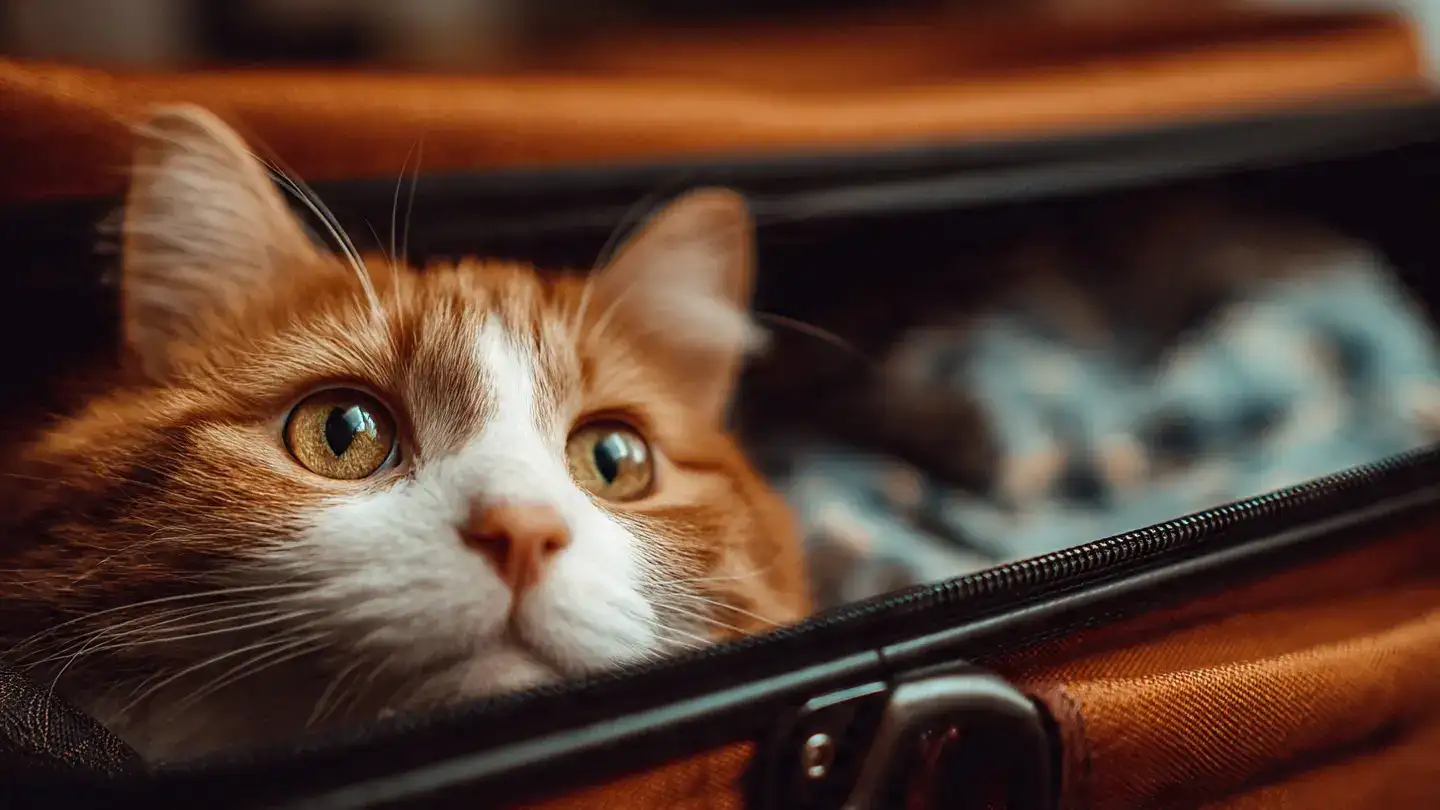
The key lies in preparing your cat well before the day of travel. Sudden changes often create fear, but gradual familiarisation helps build comfort and trust. From selecting the right carrier to managing feeding times and maintaining a soothing environment, every small detail contributes to a smoother experience. With thoughtful planning, travelling with a cat can become a manageable part of your pet care routine rather than a stressful event.
Do not introduce the carrier only on the day of travel. Place it in your home several days or even weeks in advance. Add a familiar blanket, favourite toy or a piece of your clothing inside. This helps the carrier smell safe and familiar.
Encourage your cat to enter on its own by placing treats inside. Once your pet begins resting there voluntarily, the carrier stops feeling like a threat and starts becoming a comfort zone.
This step is especially useful for cats that associate car rides only with vet visits. Repeated short outings teach them that travel does not always lead to something unpleasant.
Keep your voice calm during these practice sessions. Avoid loud music or sudden braking. A peaceful environment helps your cat learn that movement and sound changes are not dangerous.
A light meal three to four hours before departure usually works well. Keep fresh water available, especially during warm weather, but avoid overfeeding.
For longer trips, pack a simple pet travel checklist that includes food portions, a collapsible water bowl, tissues, waste bags and any medicines your cat may need.
Bringing familiar food rather than changing brands during travel also helps avoid digestive discomfort.
Line the carrier with a blanket your cat already uses at home. A favourite small toy or cloth with their scent can also be comforting. Some pet owners find that covering part of the carrier with a light breathable cloth helps reduce visual overstimulation.
Try to keep the temperature comfortable and avoid direct sunlight. A carrier placed securely on a flat seat with minimal movement helps your cat feel more stable.
Speaking softly from time to time can reassure your pet without overstimulating it.
However, never open the carrier outdoors in an unsecured area. Even calm cats may panic in unfamiliar surroundings and attempt to escape. If a break is needed, do it inside a locked car with doors and windows closed.
Portable litter trays can be useful during long-distance moves or extended drives. Keeping litter that your cat already recognises can make usage easier.
If your cat becomes anxious, gentle familiar actions can help. A favourite toy, a familiar phrase or even soft background white noise may provide comfort.
For highly nervous cats, consult a qualified veterinarian before the trip. They may recommend calming sprays, pheromone wipes or other safe cat travel aids suited to your pet’s temperament.
Avoid experimenting with new calming products on the travel day itself. Always test them in advance.
The carrier should remain secured with a seat belt whenever possible. During flights, always check airline pet travel rules well in advance, including carrier size requirements and documentation.
Ensure your cat wears an ID tag and is microchipped if possible. In unexpected situations, these simple precautions can make recovery much easier.
Travelling with a cat does not have to be overwhelming. With the right cat travel tips , a familiar carrier, careful meal planning and a calm environment, even long journeys can become far less stressful. The goal is not to force your pet into instant comfort, but to build confidence step by step. Once your cat begins to associate travel with safety rather than fear, each trip becomes easier, smoother and far more enjoyable for both of you.
Image Courtesy: Meta AI
The key lies in preparing your cat well before the day of travel. Sudden changes often create fear, but gradual familiarisation helps build comfort and trust. From selecting the right carrier to managing feeding times and maintaining a soothing environment, every small detail contributes to a smoother experience. With thoughtful planning, travelling with a cat can become a manageable part of your pet care routine rather than a stressful event.
Choose The Right Cat Carrier Early
The most important part of safe cat travel is the carrier. It should be sturdy, well-ventilated and large enough for your cat to stand, turn and lie down comfortably. A hard-sided carrier often offers better stability during longer journeys, while a soft-sided one may work well for short trips.Do not introduce the carrier only on the day of travel. Place it in your home several days or even weeks in advance. Add a familiar blanket, favourite toy or a piece of your clothing inside. This helps the carrier smell safe and familiar.
Encourage your cat to enter on its own by placing treats inside. Once your pet begins resting there voluntarily, the carrier stops feeling like a threat and starts becoming a comfort zone.
Practise Short Trial Trips
Before a long journey, help your cat adjust through short practice drives. Start with five to ten minutes around the neighbourhood and slowly increase the duration.This step is especially useful for cats that associate car rides only with vet visits. Repeated short outings teach them that travel does not always lead to something unpleasant.
Keep your voice calm during these practice sessions. Avoid loud music or sudden braking. A peaceful environment helps your cat learn that movement and sound changes are not dangerous.
Time Meals Carefully Before The Journey
Feeding timing plays a major role in stress-free pet journeys. It is best not to offer a full meal immediately before travel, as some cats may feel nauseous.A light meal three to four hours before departure usually works well. Keep fresh water available, especially during warm weather, but avoid overfeeding.
For longer trips, pack a simple pet travel checklist that includes food portions, a collapsible water bowl, tissues, waste bags and any medicines your cat may need.
Bringing familiar food rather than changing brands during travel also helps avoid digestive discomfort.
Create A Calm And Familiar Environment
Cats rely heavily on scent for reassurance. Familiar smells can significantly reduce anxiety while travelling with a cat.Line the carrier with a blanket your cat already uses at home. A favourite small toy or cloth with their scent can also be comforting. Some pet owners find that covering part of the carrier with a light breathable cloth helps reduce visual overstimulation.
Try to keep the temperature comfortable and avoid direct sunlight. A carrier placed securely on a flat seat with minimal movement helps your cat feel more stable.
Speaking softly from time to time can reassure your pet without overstimulating it.
Plan Breaks For Longer Journeys
For road travel lasting several hours, occasional stops are helpful. These breaks allow you to check your cat’s comfort, offer water and ensure the carrier remains clean and dry.However, never open the carrier outdoors in an unsecured area. Even calm cats may panic in unfamiliar surroundings and attempt to escape. If a break is needed, do it inside a locked car with doors and windows closed.
Portable litter trays can be useful during long-distance moves or extended drives. Keeping litter that your cat already recognises can make usage easier.
You may also like
- Heart Ultrasound Test: This technology will detect heart failure in advance, know how it is revolutionizing the medical field?
- Amarnath Yatra 2026: Process of registration, important dates, eligibility criteria, preferred paths, and essential guidelines for the pilgrims
- A Life-Changing Bhagavad Gita Verse for Peace, Focus & Moksha
- Top Alkaline Foods to Balance Your Body's pH Levels
- Effective Home Remedies to Alleviate Nausea
Reduce Anxiety With Routine And Comfort
Cats respond positively to routine. Try to keep departure times, feeding schedules and rest patterns close to what your pet normally follows at home.If your cat becomes anxious, gentle familiar actions can help. A favourite toy, a familiar phrase or even soft background white noise may provide comfort.
For highly nervous cats, consult a qualified veterinarian before the trip. They may recommend calming sprays, pheromone wipes or other safe cat travel aids suited to your pet’s temperament.
Avoid experimenting with new calming products on the travel day itself. Always test them in advance.
Keep Safety The Top Priority
No matter how calm your cat seems, never allow it to roam freely inside a moving vehicle. Sudden stops or open doors can quickly turn risky.The carrier should remain secured with a seat belt whenever possible. During flights, always check airline pet travel rules well in advance, including carrier size requirements and documentation.
Ensure your cat wears an ID tag and is microchipped if possible. In unexpected situations, these simple precautions can make recovery much easier.
Travelling with a cat does not have to be overwhelming. With the right cat travel tips , a familiar carrier, careful meal planning and a calm environment, even long journeys can become far less stressful. The goal is not to force your pet into instant comfort, but to build confidence step by step. Once your cat begins to associate travel with safety rather than fear, each trip becomes easier, smoother and far more enjoyable for both of you.
Image Courtesy: Meta AI






More from our partners


Loving Newspoint? Download the app now
