
How To Travel With Pets Safely: Essential Tips For A Stress-Free Journey

Taking a pet on holiday can make the trip more enjoyable, but travelling with animals requires careful planning. Dogs and cats can react differently to unfamiliar surroundings, long journeys, noise and changes in routine. A little preparation before leaving home can help reduce avoidable problems once the journey begins. Pet owners should consider the mode of transport, weather, food, medication, identification and emergency arrangements before setting off. According to veterinarians and animal-care experts, keeping a pet secure and maintaining familiar routines as much as possible can help make travelling with pets safer and less stressful.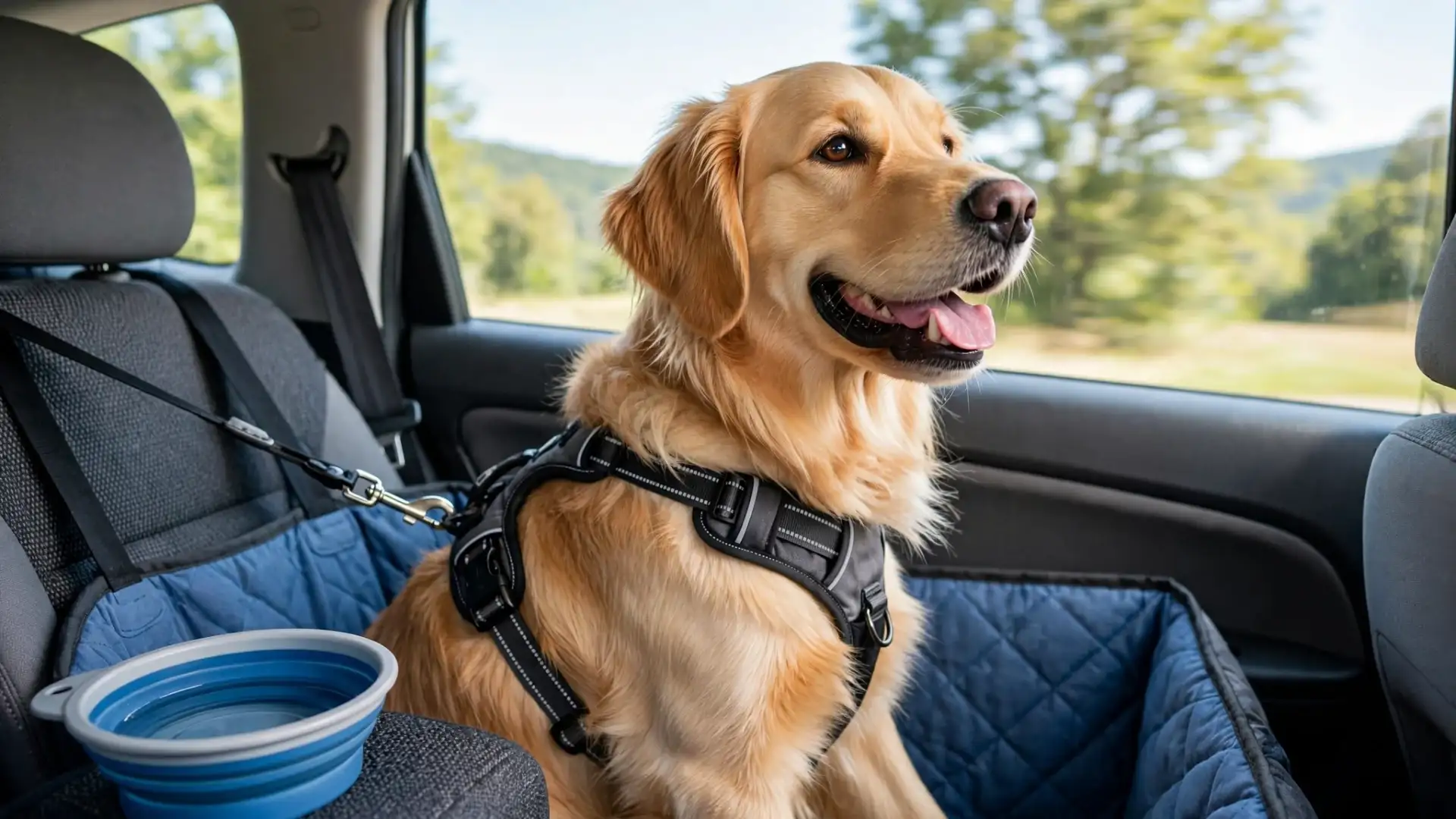
Keep essential medical records, prescriptions and vaccination documents together. If medication is needed, carry enough for the entire trip and keep it easily accessible.
Identification is equally important. Make sure your pet's collar details and microchip information, where applicable, are up to date.
Cats generally feel more secure in a well-ventilated carrier, while dogs may need a suitable harness or travel restraint depending on the vehicle and journey.
Never leave a pet unattended inside a parked car, particularly in warm weather. Temperatures inside vehicles can rise rapidly, creating a serious risk.
For train or air travel, check the operator's rules well in advance. Requirements for carriers, documentation and where pets can travel vary between services and destinations.
According to animal-care experts, familiar items can also help pets settle in an unfamiliar environment.
Keep these essentials in a separate, easily accessible bag rather than buried inside luggage.
Watch for signs of anxiety, overheating or unusual behaviour. Avoid forcing a frightened pet into unfamiliar situations.
A calm voice and familiar routine can help, but owners should avoid giving sedatives unless specifically recommended by a veterinarian.
With the right preparation, pet travel does not have to be complicated. Secure transport, proper identification, essential supplies and attention to your pet's behaviour can help make the journey safer and more comfortable for everyone.
Image Courtesy: Meta AI
Prepare Your Pet Before The Journey
A visit to the veterinarian may be worthwhile before a long trip, particularly if the pet has an existing health concern or has not travelled before. Ask whether vaccinations, preventive treatments or other precautions are required for the destination.Keep essential medical records, prescriptions and vaccination documents together. If medication is needed, carry enough for the entire trip and keep it easily accessible.
Identification is equally important. Make sure your pet's collar details and microchip information, where applicable, are up to date.
Choose Safe Transport
When travelling by car, pets should never be allowed to roam freely inside the vehicle. A suitable carrier, travel crate or properly designed pet restraint can help prevent injuries and distractions.Cats generally feel more secure in a well-ventilated carrier, while dogs may need a suitable harness or travel restraint depending on the vehicle and journey.
Never leave a pet unattended inside a parked car, particularly in warm weather. Temperatures inside vehicles can rise rapidly, creating a serious risk.
You may also like
- Why Zurich deserves more than a layover
- Bank Holiday: Will banks be open or closed on August 28? Check the list before visiting a branch on Raksha Bandhan.
- PM Surya Ghar Muft Bijli Yojana: Get a subsidy of up to ₹78,000 along with free electricity; here's how to apply online
- Train Cancellations: Attention rail passengers—344 trains affected by mega block; many cancelled.
- Sugar Price: Get highly affordable subsidized sugar with a ration card—here's how to avail the benefit.
For train or air travel, check the operator's rules well in advance. Requirements for carriers, documentation and where pets can travel vary between services and destinations.
Pack A Pet Travel Kit
A basic pet travel kit should include food, fresh water, bowls, waste bags, a leash, medication and any familiar bedding or toys. Carry enough food to avoid sudden changes in diet during the journey.According to animal-care experts, familiar items can also help pets settle in an unfamiliar environment.
Keep these essentials in a separate, easily accessible bag rather than buried inside luggage.
Plan Breaks And Watch For Stress
Long journeys should include suitable breaks where possible. Dogs may need opportunities to stretch, drink water and relieve themselves.Watch for signs of anxiety, overheating or unusual behaviour. Avoid forcing a frightened pet into unfamiliar situations.
A calm voice and familiar routine can help, but owners should avoid giving sedatives unless specifically recommended by a veterinarian.
With the right preparation, pet travel does not have to be complicated. Secure transport, proper identification, essential supplies and attention to your pet's behaviour can help make the journey safer and more comfortable for everyone.
Image Courtesy: Meta AI






Loving Newspoint? Download the app now
