
How To Use Fallen Leaves In Your Garden For Better Soil

Every autumn, gardens are covered with a blanket of fallen leaves. While many people treat them as waste, they are actually one of the most powerful tools for natural garden improvement. Using fallen leaves in gardening can enrich soil, reduce weeds, and create a healthier ecosystem for plants.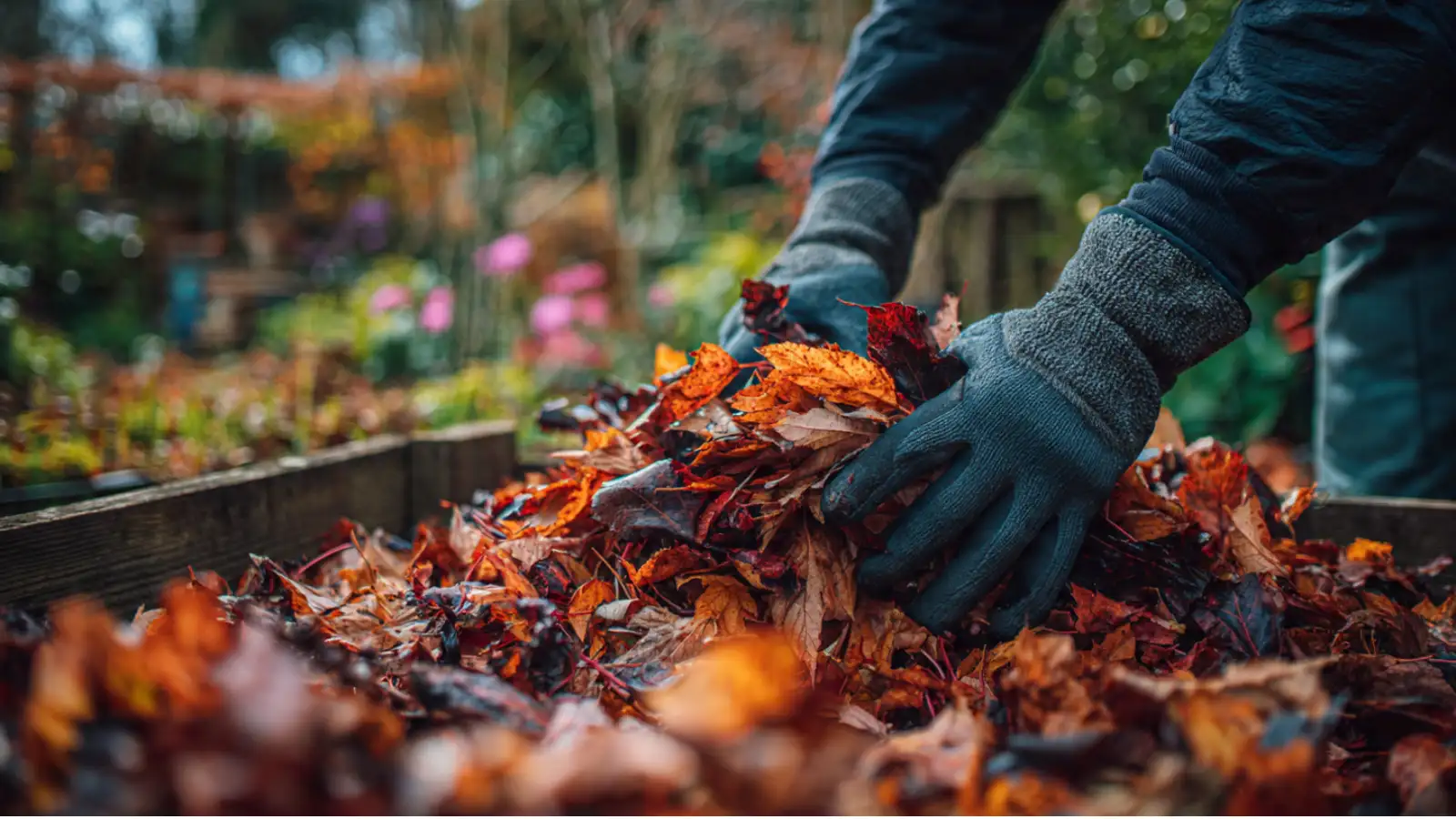
Instead of disposing of them, gardeners can transform leaves into valuable organic material that supports long-term soil fertility and plant growth.
1. Use Fallen Leaves as Natural Mulch
One of the best ways to use fallen leaves is as organic mulch for garden beds. A layer of leaves spread around plants helps retain soil moisture, regulate temperature, and prevent weed growth.
As the leaves slowly break down, they release nutrients back into the soil, improving its structure and fertility. This makes leaf mulch one of the simplest forms of eco-friendly gardening practices.
2. Create Leaf Compost for Rich Soil
Fallen leaves are rich in carbon, making them perfect for composting. When mixed with green materials like grass clippings or vegetable scraps, they form a balanced compost pile.
This process creates nutrient-rich leaf compost for soil improvement, which can be added to flower beds, vegetable gardens, and potted plants. Over time, this improves soil texture and supports healthy root development.
Read More: No Soil Gardening: 5 Low-Maintenance Plants That Grow in Water
3. Make Leaf Mold for Soil Conditioning
Leaf mold is a dark, crumbly material created when leaves decompose slowly over time. It is one of the best natural soil conditioners available in organic gardening methods .
To make it, simply pile fallen leaves in a corner of your garden and keep them moist. Within months or a year, they transform into a nutrient-rich material that improves water retention and soil aeration.
4. Use Leaves as Winter Protection for Plants
Fallen leaves can act as a natural blanket for plants during colder months. This winter garden protection using leaves helps insulate plant roots from frost and extreme temperatures.
Covering delicate plants with a layer of leaves ensures they survive winter stress and regrow strongly in spring.
5. Create Wildlife-Friendly Garden Spaces
Leaves also provide shelter for beneficial insects, earthworms, and small wildlife. Leaving some areas undisturbed supports biodiversity in garden ecosystems.
This natural habitat encourages pollinators and improves overall garden health without chemical intervention.
Key Benefits of Using Fallen Leaves
Using fallen leaves in your garden offers multiple advantages:
Fallen leaves are far more than seasonal waste but they are a powerful resource for building healthier gardens. From mulch and compost to winter protection and wildlife support, they play a vital role in eco-friendly garden care. By reusing leaves wisely, you can improve soil health, reduce waste, and create a more sustainable garden environment.
Instead of disposing of them, gardeners can transform leaves into valuable organic material that supports long-term soil fertility and plant growth.
1. Use Fallen Leaves as Natural Mulch
One of the best ways to use fallen leaves is as organic mulch for garden beds. A layer of leaves spread around plants helps retain soil moisture, regulate temperature, and prevent weed growth.As the leaves slowly break down, they release nutrients back into the soil, improving its structure and fertility. This makes leaf mulch one of the simplest forms of eco-friendly gardening practices.
2. Create Leaf Compost for Rich Soil
Fallen leaves are rich in carbon, making them perfect for composting. When mixed with green materials like grass clippings or vegetable scraps, they form a balanced compost pile.This process creates nutrient-rich leaf compost for soil improvement, which can be added to flower beds, vegetable gardens, and potted plants. Over time, this improves soil texture and supports healthy root development.
Read More: No Soil Gardening: 5 Low-Maintenance Plants That Grow in Water
3. Make Leaf Mold for Soil Conditioning
Leaf mold is a dark, crumbly material created when leaves decompose slowly over time. It is one of the best natural soil conditioners available in organic gardening methods . To make it, simply pile fallen leaves in a corner of your garden and keep them moist. Within months or a year, they transform into a nutrient-rich material that improves water retention and soil aeration.
4. Use Leaves as Winter Protection for Plants
Fallen leaves can act as a natural blanket for plants during colder months. This winter garden protection using leaves helps insulate plant roots from frost and extreme temperatures.Covering delicate plants with a layer of leaves ensures they survive winter stress and regrow strongly in spring.
5. Create Wildlife-Friendly Garden Spaces
Leaves also provide shelter for beneficial insects, earthworms, and small wildlife. Leaving some areas undisturbed supports biodiversity in garden ecosystems. This natural habitat encourages pollinators and improves overall garden health without chemical intervention.
Key Benefits of Using Fallen Leaves
Using fallen leaves in your garden offers multiple advantages: - Improves soil fertility naturally
- Reduces garden waste
- Supports sustainable gardening practices
- Enhances moisture retention
- Encourages healthy microbial activity
Fallen leaves are far more than seasonal waste but they are a powerful resource for building healthier gardens. From mulch and compost to winter protection and wildlife support, they play a vital role in eco-friendly garden care. By reusing leaves wisely, you can improve soil health, reduce waste, and create a more sustainable garden environment.
Next Story