
How Urban Gardening Is Bringing Nature Back Into Crowded City Spaces

Modern cities are often associated with traffic, crowded buildings, pollution and fast-paced lifestyles. As urban spaces continue expanding, many people are beginning to feel disconnected from nature in their everyday routines. This growing desire for greener surroundings has contributed to the rise of urban gardening , a movement that is gradually transforming balconies, rooftops, terraces and small corners into living green spaces.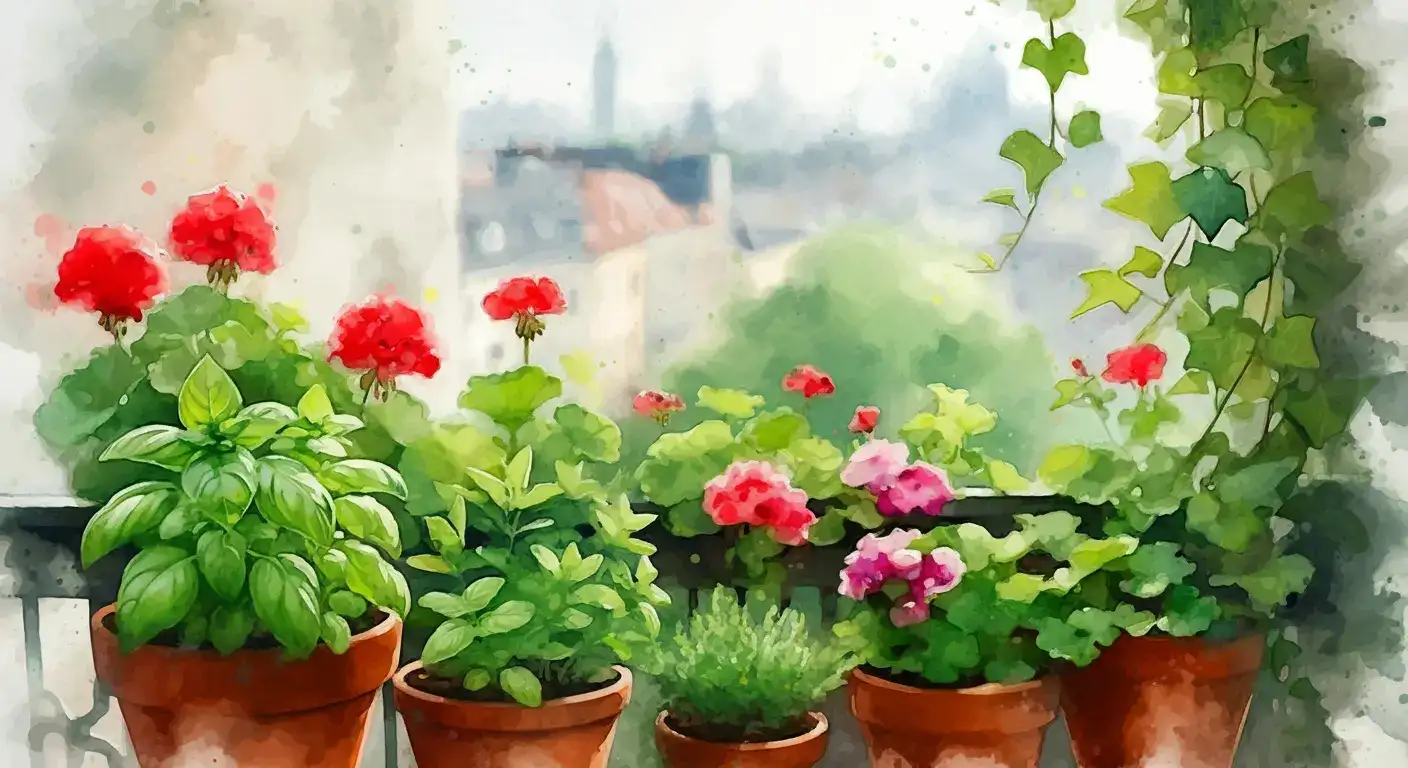
Urban gardening is no longer limited to hobbyists or gardening experts. Families, working professionals, students and retirees are increasingly growing plants at home for relaxation, sustainability and healthier living. Even in compact apartments, people are finding creative ways to introduce greenery into their daily environment.
From herbs and vegetables to flowering plants and indoor gardens, urban gardening is changing the way city residents interact with nature while improving both personal wellbeing and environmental awareness.
Gardening offers a simple and accessible way to reconnect with nature without leaving the city. Caring for plants can create a sense of routine, patience and emotional relaxation that many urban lifestyles lack.
Environmental concerns have also influenced this trend. Rising awareness about pollution, food quality and sustainability has motivated more people to grow herbs, vegetables and plants at home.
Social media has further contributed by making gardening ideas, tutorials and inspiration easily available to beginners.
Balcony gardens often include herbs such as mint, coriander and basil along with flowering plants and decorative greenery. Some households also grow tomatoes, chillies or leafy vegetables successfully in containers.
These green spaces not only improve visual appeal but also create calmer and fresher environments inside homes. Even a few plants can make balconies feel more peaceful and connected to nature.
Balcony gardening has become especially popular among young urban residents looking for low-maintenance lifestyle hobbies.
Growing food at home helps people understand seasonal produce and reduce dependence on chemically treated vegetables. Freshly grown herbs and vegetables often taste better and encourage healthier eating habits.
Rooftop gardens may also help reduce heat absorption in buildings by creating natural insulation. In crowded urban areas, this greenery can contribute to cooler surroundings and improved air quality.
Some communities and residential societies are even creating shared rooftop gardens to encourage collective participation.
Gardening encourages mindfulness because it requires patience, observation and consistent care. Activities such as watering plants, repotting or pruning often create calming routines that provide relief from screen-heavy lifestyles.
Many people also experience emotional satisfaction from watching plants grow gradually over time. This connection with nature may improve mood and create a greater sense of balance in daily life.
For elderly individuals and children, gardening can also become a meaningful and engaging activity at home.
Indoor plants such as snake plants, money plants and peace lilies are commonly used in urban homes because they are relatively easy to maintain. While plants alone cannot eliminate pollution entirely, they may help improve indoor atmosphere and humidity levels.
Greenery inside homes often creates more pleasant and visually relaxing spaces, especially in apartments surrounded by concrete structures.
Children who participate in gardening may also develop healthier attitudes towards vegetables and natural foods.
Even small kitchen gardens can encourage home cooking and reduce dependence on packaged ingredients or heavily processed food products.
This increased food awareness aligns with growing interest in sustainable and mindful living practices.
Beginners may also struggle with pests, poor soil quality or choosing unsuitable plants for local weather conditions.
However, container gardening techniques, composting methods and online gardening communities have made learning easier than before.
Starting with simple and low-maintenance plants often helps beginners build confidence gradually.
Watching plants grow encourages patience and appreciation for slower processes often missing from fast-paced city routines.
Even small green spaces can create emotional comfort and improve quality of life in crowded urban environments.
The rise of urban gardening reflects a growing shift towards healthier and more sustainable living in modern cities. As people search for balance amidst concrete surroundings and stressful routines, gardening offers a practical way to reconnect with nature, improve wellbeing and create greener homes. Whether through balcony plants, rooftop vegetables or indoor greenery, urban gardening continues to transform city life by bringing freshness, mindfulness and environmental awareness into everyday spaces.
Urban gardening is no longer limited to hobbyists or gardening experts. Families, working professionals, students and retirees are increasingly growing plants at home for relaxation, sustainability and healthier living. Even in compact apartments, people are finding creative ways to introduce greenery into their daily environment.
From herbs and vegetables to flowering plants and indoor gardens, urban gardening is changing the way city residents interact with nature while improving both personal wellbeing and environmental awareness.
Why Urban Gardening Is Growing Rapidly
One major reason behind the popularity of urban gardening is the increasing stress associated with city life. Long work hours, digital overload and limited exposure to natural surroundings have encouraged people to seek calming activities that improve mental balance.Gardening offers a simple and accessible way to reconnect with nature without leaving the city. Caring for plants can create a sense of routine, patience and emotional relaxation that many urban lifestyles lack.
Environmental concerns have also influenced this trend. Rising awareness about pollution, food quality and sustainability has motivated more people to grow herbs, vegetables and plants at home.
Social media has further contributed by making gardening ideas, tutorials and inspiration easily available to beginners.
Balcony Gardening Has Become Extremely Popular
In cities where open land is limited, balconies have become important gardening spaces. Small containers, hanging pots and vertical gardening techniques allow people to grow plants even in compact apartments.Balcony gardens often include herbs such as mint, coriander and basil along with flowering plants and decorative greenery. Some households also grow tomatoes, chillies or leafy vegetables successfully in containers.
These green spaces not only improve visual appeal but also create calmer and fresher environments inside homes. Even a few plants can make balconies feel more peaceful and connected to nature.
Balcony gardening has become especially popular among young urban residents looking for low-maintenance lifestyle hobbies.
Rooftop Gardening Supports Sustainable Living
Rooftop gardening is another major urban trend, particularly in densely populated cities. Unused rooftops are increasingly being transformed into vegetable gardens, flower beds and even small farming spaces.Growing food at home helps people understand seasonal produce and reduce dependence on chemically treated vegetables. Freshly grown herbs and vegetables often taste better and encourage healthier eating habits.
Rooftop gardens may also help reduce heat absorption in buildings by creating natural insulation. In crowded urban areas, this greenery can contribute to cooler surroundings and improved air quality.
Some communities and residential societies are even creating shared rooftop gardens to encourage collective participation.
Mental Health Benefits Of Gardening
One of the most significant advantages of urban gardening is its positive effect on mental wellbeing. Spending time around plants may help reduce stress, anxiety and mental fatigue.Gardening encourages mindfulness because it requires patience, observation and consistent care. Activities such as watering plants, repotting or pruning often create calming routines that provide relief from screen-heavy lifestyles.
Many people also experience emotional satisfaction from watching plants grow gradually over time. This connection with nature may improve mood and create a greater sense of balance in daily life.
For elderly individuals and children, gardening can also become a meaningful and engaging activity at home.
Urban Gardening Improves Air Quality Indoors
Plants may contribute to cleaner indoor environments by improving air circulation and adding natural freshness to living spaces.Indoor plants such as snake plants, money plants and peace lilies are commonly used in urban homes because they are relatively easy to maintain. While plants alone cannot eliminate pollution entirely, they may help improve indoor atmosphere and humidity levels.
Greenery inside homes often creates more pleasant and visually relaxing spaces, especially in apartments surrounded by concrete structures.
Food Awareness And Healthier Eating Habits
Growing herbs or vegetables at home often changes the way people think about food. Urban gardeners become more aware of seasonal produce, pesticide usage and the effort required to grow fresh ingredients.Children who participate in gardening may also develop healthier attitudes towards vegetables and natural foods.
Even small kitchen gardens can encourage home cooking and reduce dependence on packaged ingredients or heavily processed food products.
This increased food awareness aligns with growing interest in sustainable and mindful living practices.
Challenges Urban Gardeners Face
Despite its benefits, urban gardening also comes with challenges. Limited sunlight, small spaces and irregular watering routines can affect plant growth in apartments.Beginners may also struggle with pests, poor soil quality or choosing unsuitable plants for local weather conditions.
However, container gardening techniques, composting methods and online gardening communities have made learning easier than before.
Starting with simple and low-maintenance plants often helps beginners build confidence gradually.
Gardening Builds A Stronger Connection With Nature
Urban lifestyles often separate people from natural cycles such as changing seasons, rainfall and soil care. Gardening helps restore some of this connection in simple but meaningful ways.Watching plants grow encourages patience and appreciation for slower processes often missing from fast-paced city routines.
Even small green spaces can create emotional comfort and improve quality of life in crowded urban environments.
The rise of urban gardening reflects a growing shift towards healthier and more sustainable living in modern cities. As people search for balance amidst concrete surroundings and stressful routines, gardening offers a practical way to reconnect with nature, improve wellbeing and create greener homes. Whether through balcony plants, rooftop vegetables or indoor greenery, urban gardening continues to transform city life by bringing freshness, mindfulness and environmental awareness into everyday spaces.
Next Story