
How Venice Built an Extraordinary City on Water Without Modern Foundations

Venice is one of the world's most recognisable cities, famous for its winding canals, historic bridges and buildings that appear to rise directly from the water. Unlike cities that developed around roads and railway networks, Venice grew around waterways that became essential routes for transport, trade and everyday life. Its unusual location in a shallow lagoon presented enormous construction challenges, yet generations of builders found ways to create stable foundations and connect settlements across the water. The result is a city shaped by geography, engineering and centuries of maritime activity. Understanding how Venice developed reveals the ingenuity behind one of Europe's most distinctive urban landscapes.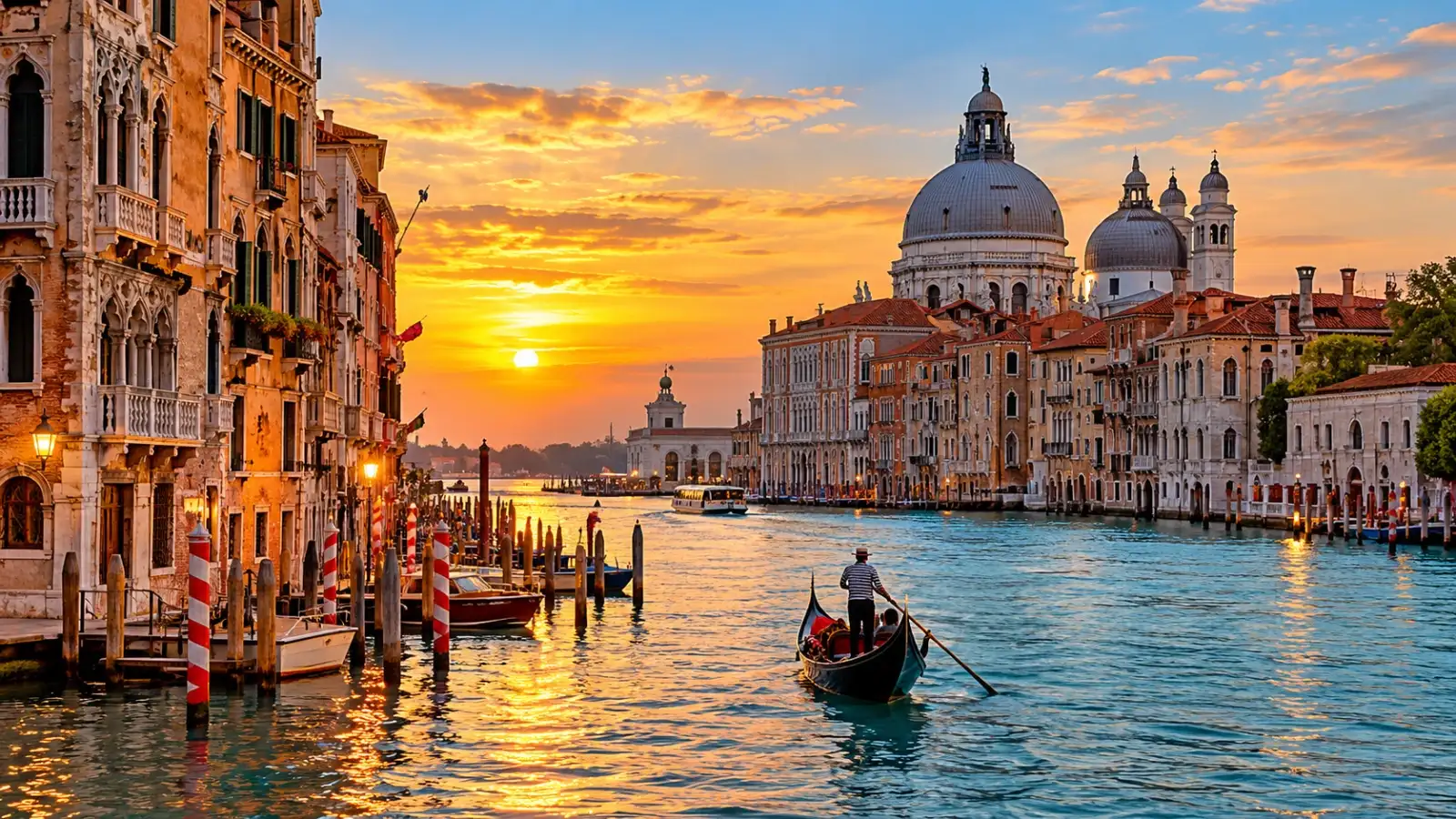
The surrounding water offered a degree of protection from attacks and provided access to fishing grounds and maritime trade routes. Over time, temporary settlements developed into permanent communities.
The lagoon was not an easy place to build a city. Its muddy ground, tidal movements and scattered islands required residents to develop construction methods suited to the environment. Rather than trying to eliminate the water, Venetians gradually adapted their settlement to it.
Builders drove thousands of wooden piles into the ground until they reached firmer layers or created a sufficiently stable foundation system. Timber platforms and stone foundations were then constructed above them to support buildings.
These piles were often made from durable types of wood, including alder, oak and larch. Submerged timber can last for centuries under suitable conditions because limited oxygen restricts the activity of many organisms responsible for wood decay.
However, Venice does not literally float on water. Its buildings transfer their weight through foundations into the underlying ground, and the city's stability depends on the condition of these foundations and the surrounding soil.
Boats could carry cargo through the city without requiring wide roads across every island. The canals connected homes, markets, workshops, churches and commercial districts, helping Venice develop into an important trading centre.
Even today, canals remain central to the city's transport system. Water taxis, delivery boats, public water buses and traditional gondolas serve different purposes, while many smaller streets and pedestrian bridges connect areas that boats cannot reach directly.
Many historic Venetian bridges were constructed from stone or brick, with arched designs that provided clearance for boats passing underneath. Their shapes also helped distribute structural loads.
The Rialto Bridge is one of the best-known examples. Located across the Grand Canal, it became an important crossing near a historic commercial district. Its shops and pedestrian passageways illustrate how bridges in Venice often served as more than simple routes between two banks.
Its merchants traded goods such as spices, textiles, grain and other valuable commodities. The city's fleets connected ports across the Mediterranean, while its shipbuilding industry supported commercial and naval activity.
The lagoon provided a sheltered environment for maritime operations, although reaching the open sea required knowledge of channels and changing water conditions. Trade generated wealth that supported the construction of palaces, churches, warehouses and public buildings.
This commercial history explains why Venice's architecture reflects influences from different parts of Europe and the eastern Mediterranean.
The city has historically relied on raised walkways, drainage measures and other practical adaptations to cope with periodic flooding. St Mark's Square, one of Venice's lowest areas, is particularly vulnerable to high water.
The MOSE system, a series of movable barriers at the lagoon's inlets, was developed to reduce flooding during high tides. Its barriers can be raised when required to limit the flow of seawater into the lagoon, although managing flooding and environmental impacts remains a complex challenge.
The lagoon is also an important ecological environment. Altering water flows or expanding infrastructure can affect habitats, sediment movement and the balance between freshwater and seawater.
Conservation efforts therefore need to protect both the historic city and the lagoon that surrounds it. Maintaining traditional buildings, managing visitor numbers and improving flood protection are all part of the wider effort to preserve Venice.
Venice became a city around canals because its residents learned to work with the lagoon rather than build a conventional settlement on dry land. Timber foundations supported buildings, waterways provided transport routes and bridges connected scattered islands into a functioning urban centre. Maritime trade later brought wealth and architectural influence, helping the city develop into a distinctive cultural destination. Today, Venice remains an extraordinary example of human adaptation, but its future depends on carefully managing flooding, environmental pressures and the preservation of its historic structures.
1. Why Was Venice Built Around Water?
Venice developed in the Venetian Lagoon, a shallow coastal environment connected to the Adriatic Sea. During periods of political instability in the early medieval era, people from nearby mainland settlements increasingly sought refuge on the lagoon's islands.The surrounding water offered a degree of protection from attacks and provided access to fishing grounds and maritime trade routes. Over time, temporary settlements developed into permanent communities.
The lagoon was not an easy place to build a city. Its muddy ground, tidal movements and scattered islands required residents to develop construction methods suited to the environment. Rather than trying to eliminate the water, Venetians gradually adapted their settlement to it.
2. How Did Builders Create Foundations in Soft Ground?
One of the most remarkable features of Venice is the way many historic buildings stand on foundations supported by timber piles driven into the lagoon's soft sediment.Builders drove thousands of wooden piles into the ground until they reached firmer layers or created a sufficiently stable foundation system. Timber platforms and stone foundations were then constructed above them to support buildings.
These piles were often made from durable types of wood, including alder, oak and larch. Submerged timber can last for centuries under suitable conditions because limited oxygen restricts the activity of many organisms responsible for wood decay.
However, Venice does not literally float on water. Its buildings transfer their weight through foundations into the underlying ground, and the city's stability depends on the condition of these foundations and the surrounding soil.
3. Why Did Canals Become Venice's Main Streets?
Venice's islands were separated by natural channels and stretches of shallow water. As the settlement expanded, waterways became practical routes for moving people and goods between neighbourhoods.Boats could carry cargo through the city without requiring wide roads across every island. The canals connected homes, markets, workshops, churches and commercial districts, helping Venice develop into an important trading centre.
Even today, canals remain central to the city's transport system. Water taxis, delivery boats, public water buses and traditional gondolas serve different purposes, while many smaller streets and pedestrian bridges connect areas that boats cannot reach directly.
4. How Did Venetians Build Bridges Across Canals?
As Venice grew, residents needed reliable ways to cross its waterways on foot. Bridges connected neighbourhoods, improved access to markets and made movement between islands easier.Many historic Venetian bridges were constructed from stone or brick, with arched designs that provided clearance for boats passing underneath. Their shapes also helped distribute structural loads.
The Rialto Bridge is one of the best-known examples. Located across the Grand Canal, it became an important crossing near a historic commercial district. Its shops and pedestrian passageways illustrate how bridges in Venice often served as more than simple routes between two banks.
5. How Did Venice Become a Powerful Trading City?
Venice's location between western Europe and the eastern Mediterranean helped it develop into a major maritime trading power during the Middle Ages.Its merchants traded goods such as spices, textiles, grain and other valuable commodities. The city's fleets connected ports across the Mediterranean, while its shipbuilding industry supported commercial and naval activity.
The lagoon provided a sheltered environment for maritime operations, although reaching the open sea required knowledge of channels and changing water conditions. Trade generated wealth that supported the construction of palaces, churches, warehouses and public buildings.
This commercial history explains why Venice's architecture reflects influences from different parts of Europe and the eastern Mediterranean.
6. How Do Venetians Manage Flooding and High Tides?
Venice has long faced acqua alta, the Italian term for unusually high water levels that can flood parts of the city. High tides, weather conditions and changes in sea level can combine to push lagoon water into low-lying streets and squares.You may also like
- Fifteen years together: Natasha Gambhir on love, growth and a lasting partnership
- What happens when you boil rosemary and cloves at home
- Meet Janmoni Konwar, the 17-year-old girl whose home was washed away in the Assam floods; all sources of income, including fishing and ducks, were lost; then a popular teacher stepped in to help, today she has won gold at the national karate championship
- The intimacy myths that many Indian couples still struggle with
- Confused by Skincare Labels? Here's How to Read Them Easily
The city has historically relied on raised walkways, drainage measures and other practical adaptations to cope with periodic flooding. St Mark's Square, one of Venice's lowest areas, is particularly vulnerable to high water.
The MOSE system, a series of movable barriers at the lagoon's inlets, was developed to reduce flooding during high tides. Its barriers can be raised when required to limit the flow of seawater into the lagoon, although managing flooding and environmental impacts remains a complex challenge.
7. Why Is Venice Facing New Challenges Today?
Venice's location that once supported its development now creates serious long-term challenges. The city faces a combination of land subsidence, rising sea levels, high tides, tourism pressure and the need to maintain historic buildings.The lagoon is also an important ecological environment. Altering water flows or expanding infrastructure can affect habitats, sediment movement and the balance between freshwater and seawater.
Conservation efforts therefore need to protect both the historic city and the lagoon that surrounds it. Maintaining traditional buildings, managing visitor numbers and improving flood protection are all part of the wider effort to preserve Venice.
Venice became a city around canals because its residents learned to work with the lagoon rather than build a conventional settlement on dry land. Timber foundations supported buildings, waterways provided transport routes and bridges connected scattered islands into a functioning urban centre. Maritime trade later brought wealth and architectural influence, helping the city develop into a distinctive cultural destination. Today, Venice remains an extraordinary example of human adaptation, but its future depends on carefully managing flooding, environmental pressures and the preservation of its historic structures.






Loving Newspoint? Download the app now
