
Human TB Spreads to Monkeys via Leftover Food, Sparks Reverse Zoonosis Alarm


Careless littering by tourists and pilgrims across the sacred shrines of Mathura has triggered an alarming public health crisis, with veterinary epidemiologists confirming the rampant spread of tuberculosis (TB) among the local simian population. A landmark investigation conducted by scientists from the Indian Veterinary Research Institute (IVRI), Bareilly, revealed that monkeys contracted the severe pulmonary infection after scavenging on half-eaten food, discarded fruits, and contaminated leftovers thrown in open spots by infected human visitors.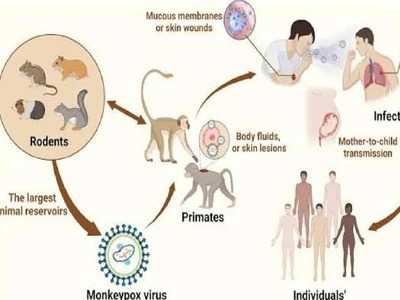 The biological confirmation came after research teams examined blood, saliva, and lung tissue samples collected from over 150 symptomatic macaques across Mathura, with postmortem examinations revealing lethal concentrations of active Mycobacterium tuberculosis bacteria lodged directly inside the animals' respiratory tracts.The Reverse Zoonosis Cycle: How Discarded Food Transferred Human TB to PrimatesEpidemiologists have classified the outbreak as a classic case of reverse zoonosis—an uncommon phenomenon where human pathogens jump into animal reservoirs.Instead of the typical animal-to-human disease jump, non-human primates contracted the deadly bacterial strain by directly consuming saliva-tainted fruits, bread, and edible waste discarded by untreated TB patients visiting the temple circuits, alongside potential exposures to infected bodily fluids in open garbage dumps. Compounding the threat, Mathura district has witnessed persistently elevated human TB burdens over recent years: after recording 17,302 cases in 2023, 18,106 in 2024, and 17,759 in 2025, the region documented a staggering 10,344 new human infections between January and August 21, 2026 alone, providing a massive reservoir for continuous cross-species pathogen leakage.Re-Transmission Risk: Malnutrition, Aggressive Bites, and Multi-Agency InterventionPublic health authorities now warn that this simian outbreak threatens to create a dangerous, bidirectional transmission feedback loop where infected monkeys transmit the disease back to humans.Malnourished and weakened monkeys frequently become aggressive due to hunger, heightening the risk of direct scratch injuries, bites, or respiratory droplet transfer during face-to-face feeding encounters near temple steps. Dr. Mukesh Srivastava of the DUVASU Veterinary University cautioned that even routine close-contact feeding exposes devotees to aerosolized bacilli if animals exhibit active pulmonary coughing, while shared open water tanks present secondary contamination risks.In response, a multi-institutional containment task force comprising scientists from DUVASU Mathura Veterinary Hospital, King George’s Medical University (KGMU) Lucknow, and IVRI Bareilly has commenced aggressive localized bio-sampling and screening, with regional health authorities placing the district under high surveillance through December to prevent a full-blown zoonotic recurrence.
Next Story