
Hydration Debate: Is Drinking Water During Exercise Safe?

Staying hydrated is crucial for overall health, especially during exercise. However, many athletes and fitness enthusiasts often wonder whether drinking water while working out is safe or beneficial. The consensus among health professionals is clear: proper hydration is not only safe but essential for optimal performance.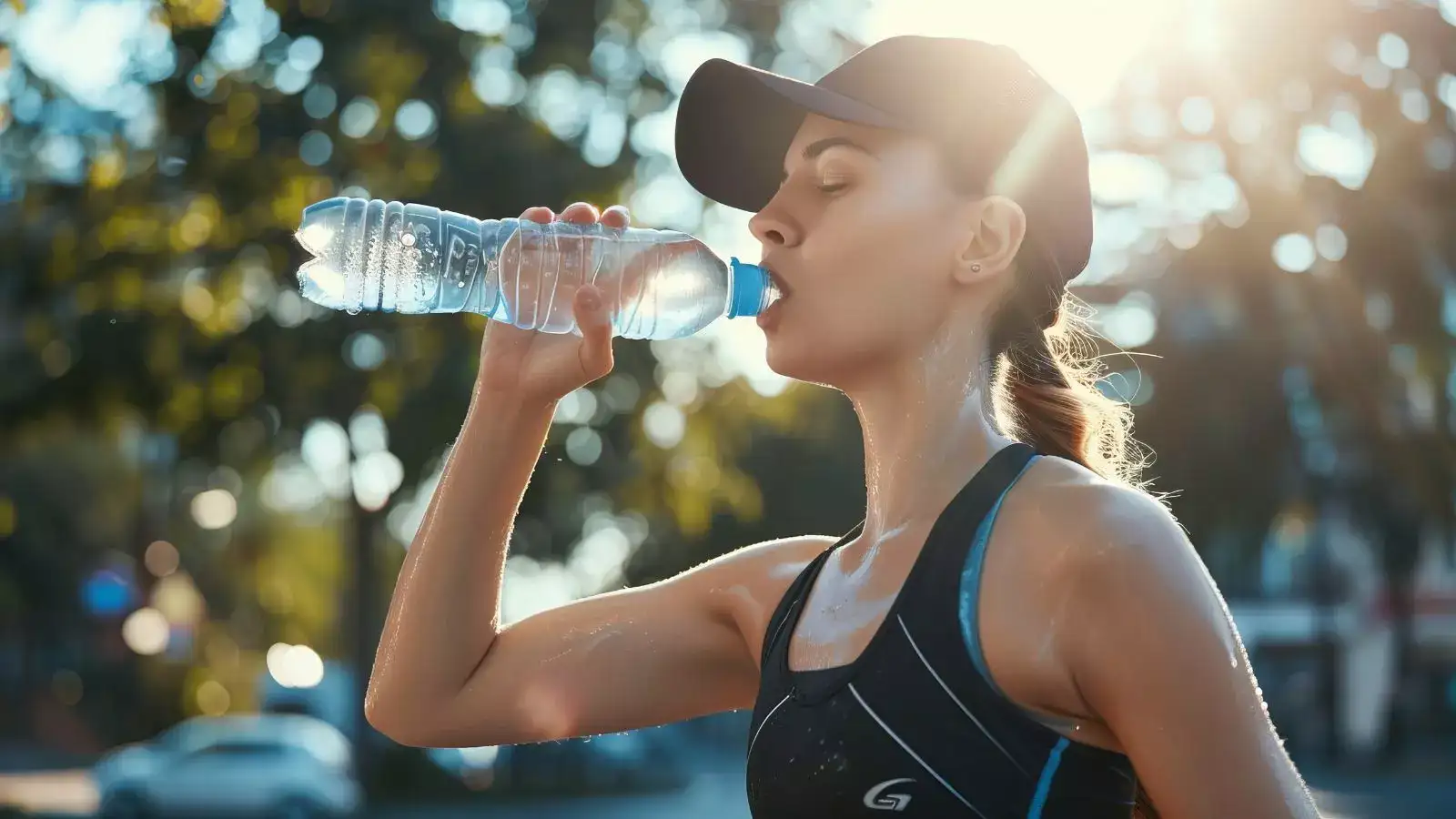
Why Hydration Matters
During physical activity, your body loses fluids through sweat and respiration. This loss can lead to dehydration, which can negatively affect your performance and well-being. Symptoms of dehydration include fatigue, dizziness, and decreased coordination. In severe cases, it can even lead to heat-related illnesses. Therefore, maintaining fluid balance is vital.
When to Drink Water
It's recommended to start hydrating before you even begin your workout. Drinking water in the hours leading up to your exercise session ensures your body is adequately prepared. During the workout, you should aim to sip water at regular intervals, particularly if you're exercising for more than 30 minutes. For intense workouts or those in hot and humid conditions, consider replenishing electrolytes with a sports drink, as these can help restore sodium and potassium levels lost through sweat.
Debunking Myths
One common myth is that drinking water during exercise can lead to cramping. While it’s true that cramping can occur for various reasons, hydration itself is not a primary cause. In fact, adequate hydration may help prevent cramping. The key is to listen to your body and drink according to your thirst.
Another misconception is that drinking too much water can lead to “water intoxication” or hyponatremia. While this is a serious condition, it’s rare and typically occurs in extreme situations, such as during endurance events where athletes consume excessive amounts of water without replacing electrolytes.
Practical Tips for Hydration
To ensure safe hydration during exercise, consider the following tips:
Pre-hydrate: Drink water before your workout to start on the right foot.
Sipping Strategy: Take small sips throughout your exercise session, rather than chugging large amounts at once.
Monitor Color: Keep an eye on your urine color; pale yellow indicates good hydration.
Adjust According to Conditions: In hotter climates or during intense workouts, increase your fluid intake accordingly.
Drinking water during exercise is not only safe but crucial for maintaining performance and preventing dehydration. By following simple hydration strategies, you can enhance your workout experience and support your overall health. Remember, your body needs water—especially when you’re pushing it to its limits.
Why Hydration Matters
During physical activity, your body loses fluids through sweat and respiration. This loss can lead to dehydration, which can negatively affect your performance and well-being. Symptoms of dehydration include fatigue, dizziness, and decreased coordination. In severe cases, it can even lead to heat-related illnesses. Therefore, maintaining fluid balance is vital.
When to Drink Water
It's recommended to start hydrating before you even begin your workout. Drinking water in the hours leading up to your exercise session ensures your body is adequately prepared. During the workout, you should aim to sip water at regular intervals, particularly if you're exercising for more than 30 minutes. For intense workouts or those in hot and humid conditions, consider replenishing electrolytes with a sports drink, as these can help restore sodium and potassium levels lost through sweat.
Debunking Myths
One common myth is that drinking water during exercise can lead to cramping. While it’s true that cramping can occur for various reasons, hydration itself is not a primary cause. In fact, adequate hydration may help prevent cramping. The key is to listen to your body and drink according to your thirst.
Another misconception is that drinking too much water can lead to “water intoxication” or hyponatremia. While this is a serious condition, it’s rare and typically occurs in extreme situations, such as during endurance events where athletes consume excessive amounts of water without replacing electrolytes.
Practical Tips for Hydration
To ensure safe hydration during exercise, consider the following tips:
Pre-hydrate: Drink water before your workout to start on the right foot.
Sipping Strategy: Take small sips throughout your exercise session, rather than chugging large amounts at once.
Monitor Color: Keep an eye on your urine color; pale yellow indicates good hydration.
Adjust According to Conditions: In hotter climates or during intense workouts, increase your fluid intake accordingly.
Drinking water during exercise is not only safe but crucial for maintaining performance and preventing dehydration. By following simple hydration strategies, you can enhance your workout experience and support your overall health. Remember, your body needs water—especially when you’re pushing it to its limits.
Next Story