
Immune-Boosting Foods: 10 Nutritious Foods To Add To Your Daily Diet Naturally

The immune system relies on a steady supply of nutrients to function normally, making everyday food choices an important part of a healthy lifestyle. No single food can prevent illness or instantly strengthen immunity, but a varied diet can help provide the vitamins, minerals, protein and other nutrients the body needs. Citrus fruits, colourful vegetables, nuts, seeds, yoghurt and garlic are among the foods commonly included in an immunity-supporting diet. According to nutrition experts, focusing on overall dietary quality rather than relying on individual so-called superfoods is a more sensible approach to maintaining good health.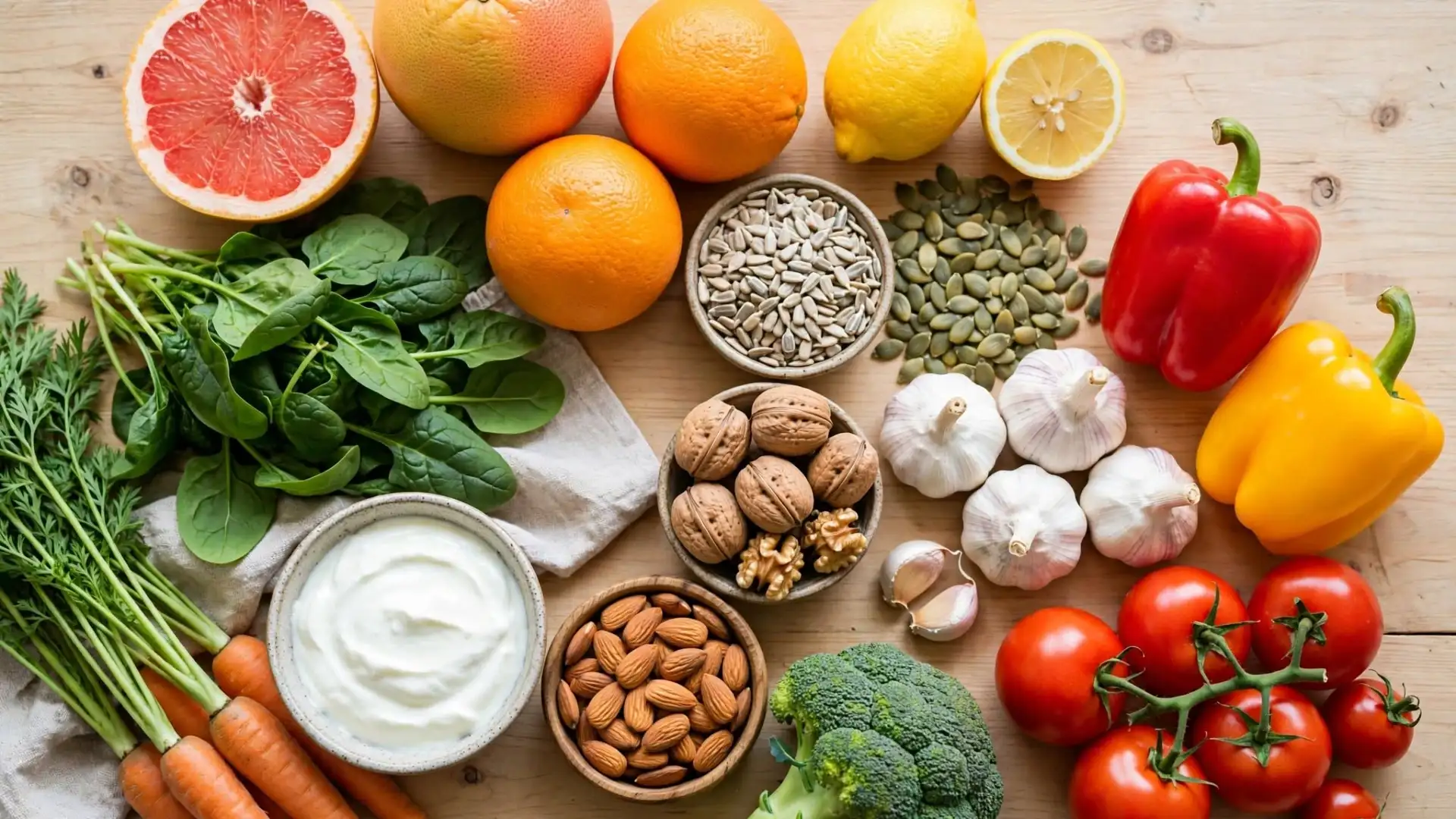
Adding citrus fruit to breakfast or having it as a snack can be a simple way to increase fruit intake. Whole fruit also provides dietary fibre, which is another reason to favour it over fruit-based sugary drinks.
Their nutritional value makes them useful additions to meals throughout the year. Including a mix of vegetables rather than repeatedly relying on one type can also provide a broader range of nutrients.
Gut health and immune function are closely connected, although the relationship is complex. Experts generally recommend including fermented foods such as yoghurt as part of an overall balanced eating pattern rather than treating them as a standalone immunity remedy.
They can be eaten in small portions as snacks or added to porridge, salads and yoghurt. Since nuts and seeds are energy-dense, portion size is worth considering when including them regularly.
Rather than consuming large quantities for purported health effects, garlic can simply be used as part of a varied diet containing vegetables, whole grains and protein-rich foods.
According to nutrition professionals, eating a variety of vegetables is generally more useful than focusing heavily on one particular ingredient. Combining different colours across meals can make it easier to diversify nutrient intake.
Instead of searching for a single immunity booster, building meals around vegetables, fruits, whole grains, pulses, nuts, seeds and suitable sources of protein can create a more sustainable approach. Staying hydrated and limiting highly processed foods and excessive added sugar can also support a generally healthier dietary pattern.
The key is consistency. A varied and nutritious diet can supply the body with essential nutrients, but it should not be viewed as a substitute for medical treatment or vaccination when these are needed.
Image Courtesy: Meta AI
Citrus Fruits Provide Vitamin C
Oranges, lemons, sweet limes, grapefruit and other citrus fruits are well-known sources of vitamin C. This nutrient contributes to the normal functioning of the immune system.Adding citrus fruit to breakfast or having it as a snack can be a simple way to increase fruit intake. Whole fruit also provides dietary fibre, which is another reason to favour it over fruit-based sugary drinks.
Leafy Greens Bring Essential Nutrients
Spinach, fenugreek leaves, mustard greens and other leafy vegetables can contribute several vitamins, minerals and plant compounds to the diet.Their nutritional value makes them useful additions to meals throughout the year. Including a mix of vegetables rather than repeatedly relying on one type can also provide a broader range of nutrients.
Yoghurt Supports A Balanced Diet
Yoghurt provides protein, calcium and other nutrients, while varieties containing live cultures can also contribute beneficial bacteria to the gut.Gut health and immune function are closely connected, although the relationship is complex. Experts generally recommend including fermented foods such as yoghurt as part of an overall balanced eating pattern rather than treating them as a standalone immunity remedy.
Nuts And Seeds Add Healthy Fats
Almonds, walnuts, sunflower seeds, pumpkin seeds and other nuts and seeds contain protein, healthy fats and minerals.They can be eaten in small portions as snacks or added to porridge, salads and yoghurt. Since nuts and seeds are energy-dense, portion size is worth considering when including them regularly.
You may also like
- Sania Mirza has a tennis table in her kitchen: 7 celebrities who turned unusual spaces into fun zones
- Meet the Bengaluru entrepreneur who worked through Sundays - until 4 months in ICU changed everything
- WhatsApp Will No Longer Work on These Phones! Is Your Device on the List?
- Skin Care Tips: Are you worried about blemishes on your face? Use alum in this way to reap the benefits
- No Hostels in 71 out of 91 DU Colleges; Thousands of Students Face Hardship
Garlic Can Add More Than Flavour
Garlic is a staple ingredient in many Indian kitchens and can add distinctive flavour to everyday meals. It also contains naturally occurring sulphur compounds and other plant compounds.Rather than consuming large quantities for purported health effects, garlic can simply be used as part of a varied diet containing vegetables, whole grains and protein-rich foods.
Colourful Vegetables Matter Too
Carrots, capsicum, tomatoes, broccoli and other brightly coloured vegetables provide a range of vitamins and plant compounds.According to nutrition professionals, eating a variety of vegetables is generally more useful than focusing heavily on one particular ingredient. Combining different colours across meals can make it easier to diversify nutrient intake.
Make Immunity Part Of A Bigger Health Plan
Food is only one part of maintaining a properly functioning immune system. Adequate sleep, regular physical activity, good hygiene and appropriate medical care also have important roles in overall health.Instead of searching for a single immunity booster, building meals around vegetables, fruits, whole grains, pulses, nuts, seeds and suitable sources of protein can create a more sustainable approach. Staying hydrated and limiting highly processed foods and excessive added sugar can also support a generally healthier dietary pattern.
The key is consistency. A varied and nutritious diet can supply the body with essential nutrients, but it should not be viewed as a substitute for medical treatment or vaccination when these are needed.
Image Courtesy: Meta AI






Loving Newspoint? Download the app now
