
Why Are Clay Lamps Important in Indian Festivals? The Traditions Behind Their Glow

Clay lamps, commonly known as diyas, are an enduring part of India's cultural and religious traditions. Made from baked clay and often fuelled by oil or ghee, these small lamps appear during festivals, prayers, weddings and other important occasions. Their warm glow is associated with hope, prosperity, knowledge and the victory of light over darkness. From homes decorated during Diwali to riverbanks illuminated on Kartik Purnima, earthen lamps connect everyday rituals with centuries-old customs. Although electric lights and decorative lanterns have become popular, traditional diyas continue to hold a special place in many celebrations. Their significance goes beyond decoration, reflecting faith, craftsmanship and community life.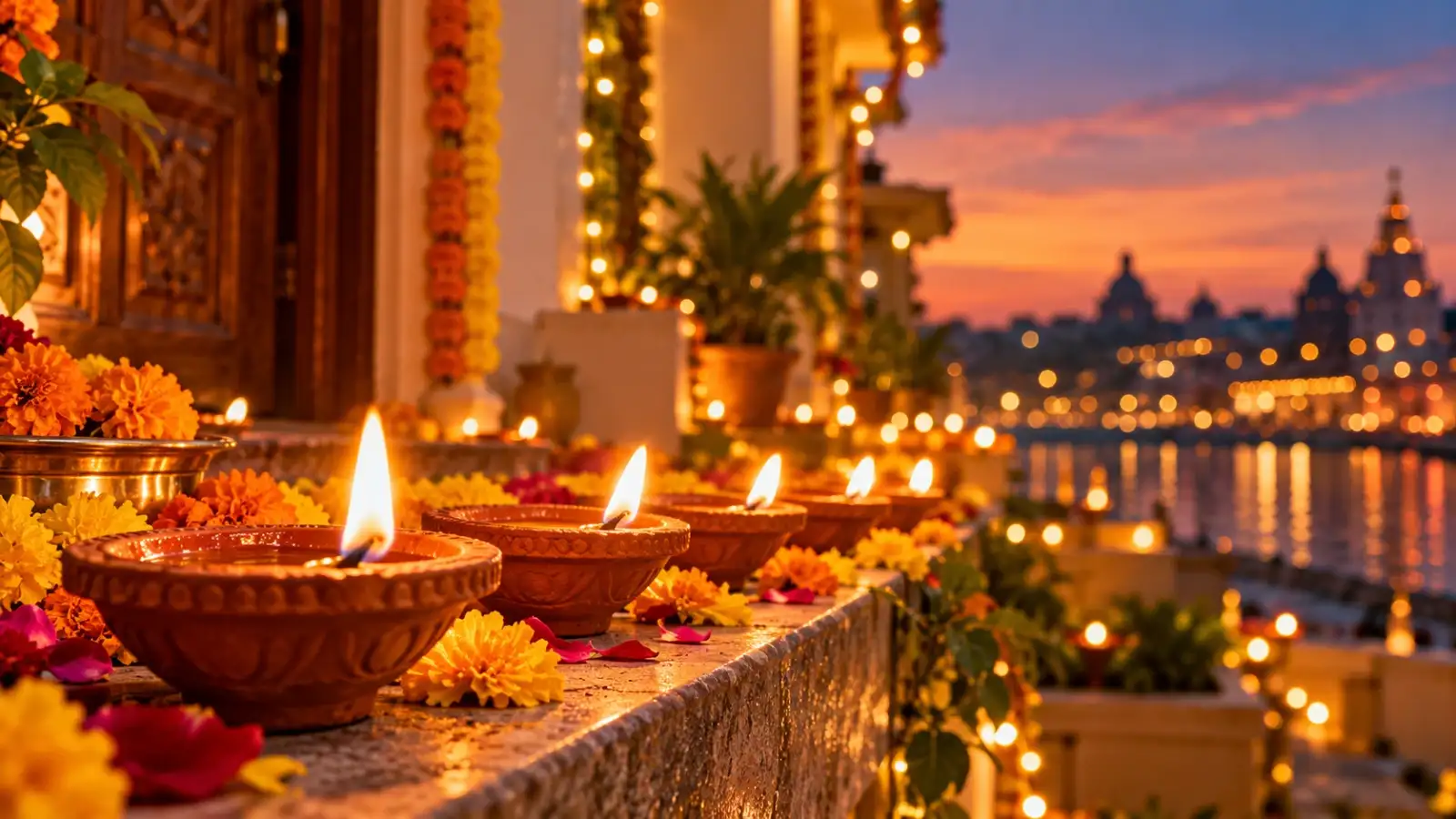
Lighting a clay lamp during prayer or a festival can therefore serve as a symbolic reminder of these values. The flame also creates a peaceful atmosphere, encouraging people to pause, reflect and participate in a shared ritual.
This symbolism is particularly visible during Diwali, when families place diyas around homes, balconies, courtyards and entrances. The practice is associated with welcoming prosperity and celebrating the victory of good over evil, although specific interpretations vary across communities.
Families often arrange rows of diyas near doorways, windows and places of worship. Some use them alongside electric lights, rangoli designs and flowers to decorate their homes.
For many households, lighting diyas is also a family activity passed down through generations. Children may help arrange the lamps, while older family members explain their significance and the customs associated with the festival.
In Varanasi, the occasion is associated with Dev Deepawali, when ghats along the Ganga are illuminated with numerous lamps. The sight of rows of lights along the river has become a defining feature of the city's celebration.
Practices differ between regions and families, but the lighting of lamps often expresses devotion, gratitude and the desire for spiritual well-being.
A lamp may be placed before a deity or lit at a designated area in the home. In some traditions, lighting a diya marks the beginning of a prayer, while in others it forms part of the ritual itself.
The flame is often understood as an offering of light and devotion. Oil or ghee provides the fuel, while a cotton wick carries the flame. The materials are simple, yet the act of lighting the lamp can hold deep personal and cultural meaning.
The production and sale of clay lamps provide seasonal income for many artisans and small businesses. Before major festivals, potters may prepare large quantities to meet demand from households, temples and local retailers.
Buying handmade diyas can help support traditional craftsmanship. Reusing suitable lamps where practical and choosing locally made products can also reduce waste and help maintain connections with regional craft traditions.
Earthen lamps are also made from a simple natural material. However, their environmental impact depends on how they are produced, transported and used. A diya requires a fuel source, and discarded lamps can still contribute to waste. Using only what is needed and disposing of materials responsibly can make celebrations more mindful.
Many families now combine traditional diyas with modern lighting, keeping the ritual while adapting their decorations to contemporary homes.
Keep lamps out of reach of young children and pets, and never leave a burning diya unattended. If several lamps are arranged together, leave enough space between them to prevent nearby flames or heated surfaces from creating a hazard.
After use, allow the lamps to cool completely before handling them. These simple precautions help families preserve the tradition while reducing the risk of accidents during celebrations.
Clay lamps remain important in Indian celebrations because they bring together symbolism, religious practice, family customs and traditional craftsmanship. Whether lit during Diwali, Kartik Purnima or daily worship, diyas often represent hope, devotion and the welcoming of positive beginnings. Their continued presence in modern homes shows how simple objects can carry meanings that endure across generations. By using them thoughtfully and safely, families can preserve this cultural tradition while supporting the artisans who continue to make these familiar symbols of light.
1. Clay Lamps Symbolise Light Over Darkness
One of the most widely recognised meanings of a diya is the triumph of light over darkness. In religious and cultural traditions, light is often associated with knowledge, clarity, hope and positive beginnings, while darkness can represent ignorance or uncertainty.Lighting a clay lamp during prayer or a festival can therefore serve as a symbolic reminder of these values. The flame also creates a peaceful atmosphere, encouraging people to pause, reflect and participate in a shared ritual.
This symbolism is particularly visible during Diwali, when families place diyas around homes, balconies, courtyards and entrances. The practice is associated with welcoming prosperity and celebrating the victory of good over evil, although specific interpretations vary across communities.
2. Why Diyas Are Central to Diwali Celebrations
Diwali is perhaps the festival most closely associated with earthen lamps. In several Hindu traditions, the festival commemorates the return of Lord Rama to Ayodhya after his exile, with lamps symbolising the welcome offered by the people. Other communities observe Diwali through different religious stories and customs, including traditions associated with Goddess Lakshmi.Families often arrange rows of diyas near doorways, windows and places of worship. Some use them alongside electric lights, rangoli designs and flowers to decorate their homes.
For many households, lighting diyas is also a family activity passed down through generations. Children may help arrange the lamps, while older family members explain their significance and the customs associated with the festival.
3. Their Importance During Kartik Purnima
Kartik Purnima, observed on the full moon day of the Hindu month of Kartik, is another occasion when lamps play an important role in many regions. Devotees may light diyas in temples, homes and near sacred water bodies as part of prayers and religious observances.In Varanasi, the occasion is associated with Dev Deepawali, when ghats along the Ganga are illuminated with numerous lamps. The sight of rows of lights along the river has become a defining feature of the city's celebration.
Practices differ between regions and families, but the lighting of lamps often expresses devotion, gratitude and the desire for spiritual well-being.
4. Clay Lamps in Daily Worship and Religious Ceremonies
Earthen lamps are not limited to major festivals. Many households use diyas during daily puja, prayers and special religious ceremonies.A lamp may be placed before a deity or lit at a designated area in the home. In some traditions, lighting a diya marks the beginning of a prayer, while in others it forms part of the ritual itself.
The flame is often understood as an offering of light and devotion. Oil or ghee provides the fuel, while a cotton wick carries the flame. The materials are simple, yet the act of lighting the lamp can hold deep personal and cultural meaning.
5. The Connection Between Clay Lamps and Indian Craftsmanship
Traditional diyas are often made by potters who shape clay into small vessels, allow them to dry and fire them in a kiln. Their designs can range from simple, shallow lamps to decorated versions created for festive markets.The production and sale of clay lamps provide seasonal income for many artisans and small businesses. Before major festivals, potters may prepare large quantities to meet demand from households, temples and local retailers.
Buying handmade diyas can help support traditional craftsmanship. Reusing suitable lamps where practical and choosing locally made products can also reduce waste and help maintain connections with regional craft traditions.
6. Why Earthen Diyas Remain Popular Today
Despite the widespread use of electric lights, clay lamps continue to appeal to people because of their traditional appearance and ritual significance. Their soft glow creates an atmosphere that many families associate with festive warmth and religious observance.Earthen lamps are also made from a simple natural material. However, their environmental impact depends on how they are produced, transported and used. A diya requires a fuel source, and discarded lamps can still contribute to waste. Using only what is needed and disposing of materials responsibly can make celebrations more mindful.
Many families now combine traditional diyas with modern lighting, keeping the ritual while adapting their decorations to contemporary homes.
7. How to Light Clay Lamps Safely
Traditional diyas require care because they use an open flame. Place them on a stable, heat-resistant surface away from curtains, paper decorations and other combustible materials.Keep lamps out of reach of young children and pets, and never leave a burning diya unattended. If several lamps are arranged together, leave enough space between them to prevent nearby flames or heated surfaces from creating a hazard.
After use, allow the lamps to cool completely before handling them. These simple precautions help families preserve the tradition while reducing the risk of accidents during celebrations.
Clay lamps remain important in Indian celebrations because they bring together symbolism, religious practice, family customs and traditional craftsmanship. Whether lit during Diwali, Kartik Purnima or daily worship, diyas often represent hope, devotion and the welcoming of positive beginnings. Their continued presence in modern homes shows how simple objects can carry meanings that endure across generations. By using them thoughtfully and safely, families can preserve this cultural tradition while supporting the artisans who continue to make these familiar symbols of light.
Next Story