
Inactivated Polio Vaccine (IPV): Benefits, Schedule, and Side Effects


Poliomyelitis, or polio, is a highly infectious viral disease caused by the poliovirus. This virus may enter the body through the mouth. It multiplies after reaching the intestine. Polio can affect people of any age, but unvaccinated children are particularly vulnerable to infection and its complications. In some children, this virus may affect the nervous system, causing muscle weakness. It may even cause permanent paralysis in some individuals. However, with proper vaccination, you may help prevent such serious complications in your child.
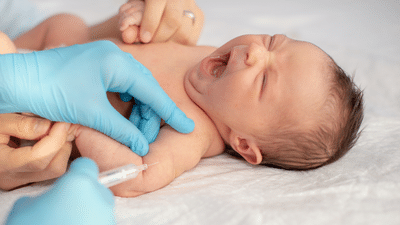
The inactivated polio vaccine (IPV) contains polioviruses that have been killed or inactivated. However, the vaccine won't cause polio in your child. We spoke to Dr Abhishek Chopra, Senior Consultant – Paediatrician and Neonatologist at Cloudnine Group of Hospitals, Punjabi Bagh, New Delhi, about the role of IPV in childhood immunisation. He explained that IPV is an important component of India's polio-eradication strategy. It is particularly valuable for protecting an individual child against paralytic disease.
What Are the Benefits of the Inactivated Polio Vaccine?IPV provides several important benefits for your child:
IPV helps the body develop antibodies that protect against poliovirus infection and paralytic disease. Supports the polio eradication effort: It limits the number of people susceptible to poliovirus, thereby increasing community protection. As Dr Abhishek Chopra explains, IPV is particularly valuable for protecting an individual child from paralytic disease. It is used alongside oral polio vaccination as part of India's childhood immunisation strategy.

How Is IPV Different From OPV?IPV and the oral polio vaccine (OPV) both help protect against polio, but they work differently.
Your child may receive both vaccines because they provide complementary protection.
Dr Abhishek Chopra addresses a common question from parents: If my child has received OPV, is IPV still needed? The two vaccines serve complementary purposes, so children should receive the doses recommended under the current immunisation schedule.
What Is the IPV Schedule in India?India uses fractional-dose IPV (fIPV) as part of its National Immunisation Schedule. The routine schedule includes:
Each fractional IPV dose is 0.1 mL and is administered intradermally, meaning it is given into the skin.
Your child may also receive OPV during the routine schedule and supplementary polio vaccination campaigns.
The exact immunisation schedule may change with programme updates. Therefore, Dr Abhishek Chopra recommends that parents follow the schedule recorded on their child's vaccination card and keep it updated.
What If Your Child Misses an IPV Dose?If your child misses a scheduled IPV dose, do not assume that the vaccination series needs to be started again.
Speak with your paediatrician or vaccination provider. They can review your child's previous vaccination records and advise when the missed dose should be given. They may provide you with a catch-up vaccination plan for your child if there is a delay in your child’s scheduled dose.
What Are the Side Effects of IPV?IPV is generally well tolerated, and most side effects are mild.
Your baby may experience:
Because IPV contains inactivated poliovirus, it cannot cause polio or vaccine-associated paralytic poliomyelitis (VAPP).
According to Dr Abhishek Chopra, mild injection-site reactions, low-grade fever and temporary irritability can occur after IPV. If your child develops an unusual or severe reaction after vaccination, contact your healthcare provider promptly.
Dr Abhishek Chopra also emphasises that maintaining high vaccination coverage is important not only for individual protection but also for preventing poliovirus transmission and protecting communities from reintroduction of the disease.
Keeping IPV and other recommended polio vaccinations up to date helps protect your child against a potentially disabling infection.
Whether you’re pregnant, a new mom, or navigating postpartum, you don’t have to do it alone. Join our support group to connect, share, and support one another.
FAQs on Inactivated Polio Vaccine (IPV): Benefits, Schedule, and Side EffectsCan IPV cause polio?
No. IPV contains inactivated poliovirus and cannot cause polio or vaccine-associated paralytic poliomyelitis. Why does my child need IPV if they also receive OPV?
IPV and OPV provide protection in different ways. IPV provides strong protection against paralytic disease, while OPV produces intestinal immunity that can help reduce poliovirus transmission. Your child may therefore receive both vaccines. Is IPV safe for babies?
Yes. IPV is generally well tolerated in infants and children. Mild pain, redness or swelling at the injection site, low-grade fever or temporary irritability can occur. Serious reactions are very rare.
The inactivated polio vaccine (IPV) contains polioviruses that have been killed or inactivated. However, the vaccine won't cause polio in your child. We spoke to Dr Abhishek Chopra, Senior Consultant – Paediatrician and Neonatologist at Cloudnine Group of Hospitals, Punjabi Bagh, New Delhi, about the role of IPV in childhood immunisation. He explained that IPV is an important component of India's polio-eradication strategy. It is particularly valuable for protecting an individual child against paralytic disease.
What Are the Benefits of the Inactivated Polio Vaccine?IPV provides several important benefits for your child:
- Helps prevent paralytic polio: IPV stimulates the immune system to develop strong protection against the forms of poliovirus infection that can cause paralysis.
- Cannot cause polio: Because IPV contains inactivated, or killed, poliovirus, it cannot cause the disease.
- Protects against poliovirus:
How Is IPV Different From OPV?IPV and the oral polio vaccine (OPV) both help protect against polio, but they work differently.
| Feature | IPV | OPV |
| How it is given | Injection | Oral drops |
| Vaccine type | Inactivated | Live attenuated |
| Can it cause VAPP? | No | Extremely rarely |
| Main immune response | Strong systemic antibody response | Strong intestinal immunity |
| Main role | Strong protection against paralytic disease | Helps protect against disease and reduce intestinal virus spread |
Dr Abhishek Chopra addresses a common question from parents: If my child has received OPV, is IPV still needed? The two vaccines serve complementary purposes, so children should receive the doses recommended under the current immunisation schedule.
What Is the IPV Schedule in India?India uses fractional-dose IPV (fIPV) as part of its National Immunisation Schedule. The routine schedule includes:
| Age | IPV dose |
| 6 weeks | fIPV-1 |
| 14 weeks | fIPV-2 |
Your child may also receive OPV during the routine schedule and supplementary polio vaccination campaigns.
The exact immunisation schedule may change with programme updates. Therefore, Dr Abhishek Chopra recommends that parents follow the schedule recorded on their child's vaccination card and keep it updated.
What If Your Child Misses an IPV Dose?If your child misses a scheduled IPV dose, do not assume that the vaccination series needs to be started again.
Speak with your paediatrician or vaccination provider. They can review your child's previous vaccination records and advise when the missed dose should be given. They may provide you with a catch-up vaccination plan for your child if there is a delay in your child’s scheduled dose.
What Are the Side Effects of IPV?IPV is generally well tolerated, and most side effects are mild.
Your baby may experience:
- Pain or tenderness at the injection site
- Mild redness or swelling
- Low-grade fever
- Temporary irritability or fussiness
Because IPV contains inactivated poliovirus, it cannot cause polio or vaccine-associated paralytic poliomyelitis (VAPP).
According to Dr Abhishek Chopra, mild injection-site reactions, low-grade fever and temporary irritability can occur after IPV. If your child develops an unusual or severe reaction after vaccination, contact your healthcare provider promptly.
Dr Abhishek Chopra also emphasises that maintaining high vaccination coverage is important not only for individual protection but also for preventing poliovirus transmission and protecting communities from reintroduction of the disease.
Keeping IPV and other recommended polio vaccinations up to date helps protect your child against a potentially disabling infection.
Whether you’re pregnant, a new mom, or navigating postpartum, you don’t have to do it alone. Join our support group to connect, share, and support one another.
FAQs on Inactivated Polio Vaccine (IPV): Benefits, Schedule, and Side Effects
No. IPV contains inactivated poliovirus and cannot cause polio or vaccine-associated paralytic poliomyelitis.
IPV and OPV provide protection in different ways. IPV provides strong protection against paralytic disease, while OPV produces intestinal immunity that can help reduce poliovirus transmission. Your child may therefore receive both vaccines.
Yes. IPV is generally well tolerated in infants and children. Mild pain, redness or swelling at the injection site, low-grade fever or temporary irritability can occur. Serious reactions are very rare.
Next Story