
Why Indian Fans Are Binge-Watching Anime in Record Numbers

A teenager in Lucknow stays up past midnight finishing an episode. A college student in Coimbatore recommends a show to her mother, who watches it through. A working professional in Pune puts on subtitles for the first time in his life and does not notice when two hours pass. The pattern is the same across cities and towns: anime is not arriving in India so much as it is landing.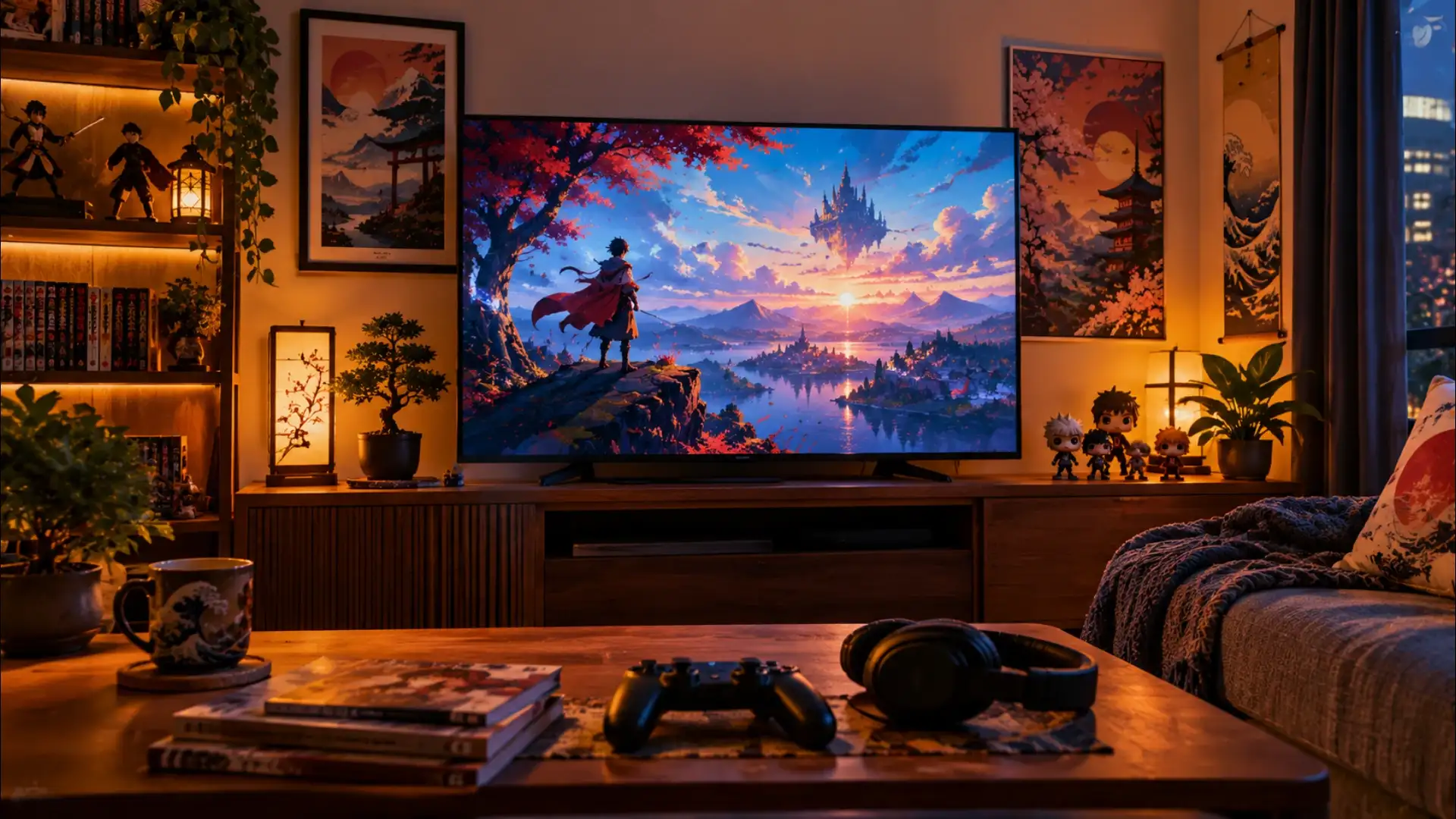
A story can end without explaining what it meant.This is not nihilism. It is the same seriousness that Indian readers find in good literary fiction, and that Indian film audiences find in the handful of films that trust them. When a show refuses to simplify, the viewer has to do some of the work. That work is the reason people talk about episodes the next day.

A single conversation where every flicker of expression carries meaning because the animator chose to put it there.The visual grammar is also slower and more deliberate than Western animation. A character stands at a window for a long moment. Rain falls on an empty street. These pauses are not padding.
They are the show breathing, and they give the viewer space to feel something before the plot moves again. Indian viewers raised on long-form television, where a scene lingers because the camera likes the actor, find this rhythm familiar rather than strange.
The difference is the context. A Japanese fishing village, a fantasy kingdom, a post-apocalyptic city. The setting is unfamiliar enough to feel like travel. The emotional logic underneath is close enough to feel like home. That combination, strange world, recognisable feeling, is what makes a story stick.
The result is that a show made in Tokyo is now accessible to someone in Jaipur who has never studied Japanese and has no interest in doing so. The story travels whole. None of the emotional weight is lost in dubbing choices or missing in a poor translation. When a character's voice cracks at a particular moment, the subtitle catches the line and the viewer catches the crack.
This social layer changes how a show is experienced. An episode that would have been forgotten becomes a reference point. A character's quote becomes shorthand between friends. The show becomes part of how a group of people talk to each other, and that is a much harder thing to stop watching than any individual episode.Taken together, these threads explain something that looks like a trend but runs deeper than one.
Indian viewers found in anime a kind of storytelling that held them seriously, moved at a pace they could feel, and spoke to things they already cared about, just from an angle they had never seen before.
Stories That Treat the Audience as Adults
Most Indian entertainment, film or television, resolves its moral questions before the credits roll. The hero wins. The lesson is stated. Anime, as a storytelling tradition, is built differently. A character can do the right thing and lose everything. A villain can be completely understandable.A story can end without explaining what it meant.This is not nihilism. It is the same seriousness that Indian readers find in good literary fiction, and that Indian film audiences find in the handful of films that trust them. When a show refuses to simplify, the viewer has to do some of the work. That work is the reason people talk about episodes the next day.
The Visual Language Is Genuinely Different
Animation in India has largely been associated with children's programming. Anime broke that association by using animation to show things live-action cannot, or cannot afford to. A battle that spans dimensions. A city built on the back of a titan.A single conversation where every flicker of expression carries meaning because the animator chose to put it there.The visual grammar is also slower and more deliberate than Western animation. A character stands at a window for a long moment. Rain falls on an empty street. These pauses are not padding.
They are the show breathing, and they give the viewer space to feel something before the plot moves again. Indian viewers raised on long-form television, where a scene lingers because the camera likes the actor, find this rhythm familiar rather than strange.
Friendship and Duty, Framed in Ways That Feel Familiar
The themes that run through the most-watched anime, loyalty to a group, the weight of a promise, sacrifice for someone you love, the cost of ambition, are not foreign to Indian audiences. They are the same themes that run through the Mahabharata, through popular Hindi cinema, through Tamil and Telugu epics on screen.The difference is the context. A Japanese fishing village, a fantasy kingdom, a post-apocalyptic city. The setting is unfamiliar enough to feel like travel. The emotional logic underneath is close enough to feel like home. That combination, strange world, recognisable feeling, is what makes a story stick.
Subtitles Changed What Was Possible
A generation of Indian viewers grew up reading subtitles on Hollywood films. For them, subtitles are not a barrier, they are simply part of watching something foreign. Streaming platforms understood this and invested in quality subtitle translations for anime, sometimes in multiple Indian languages.The result is that a show made in Tokyo is now accessible to someone in Jaipur who has never studied Japanese and has no interest in doing so. The story travels whole. None of the emotional weight is lost in dubbing choices or missing in a poor translation. When a character's voice cracks at a particular moment, the subtitle catches the line and the viewer catches the crack.
Community Turned Watching Into a Shared Experience
Anime fandom in India is unusually vocal. Fan pages, discussion threads, cosplay groups, and recommendation chains on messaging apps mean that watching a show is rarely a solitary act. Someone always told you to watch it. Someone is waiting to hear what you thought of the ending.This social layer changes how a show is experienced. An episode that would have been forgotten becomes a reference point. A character's quote becomes shorthand between friends. The show becomes part of how a group of people talk to each other, and that is a much harder thing to stop watching than any individual episode.Taken together, these threads explain something that looks like a trend but runs deeper than one.
Indian viewers found in anime a kind of storytelling that held them seriously, moved at a pace they could feel, and spoke to things they already cared about, just from an angle they had never seen before.
Next Story