
10 Indian Cities Where Art and History Come Alive Through Handicrafts

India's handicrafts are more than beautiful objects. They reflect the history, beliefs, landscapes and everyday lives of the communities that create them. From intricate embroidery and handwoven textiles to painted scrolls and carved wooden toys, every craft carries a story passed down through generations.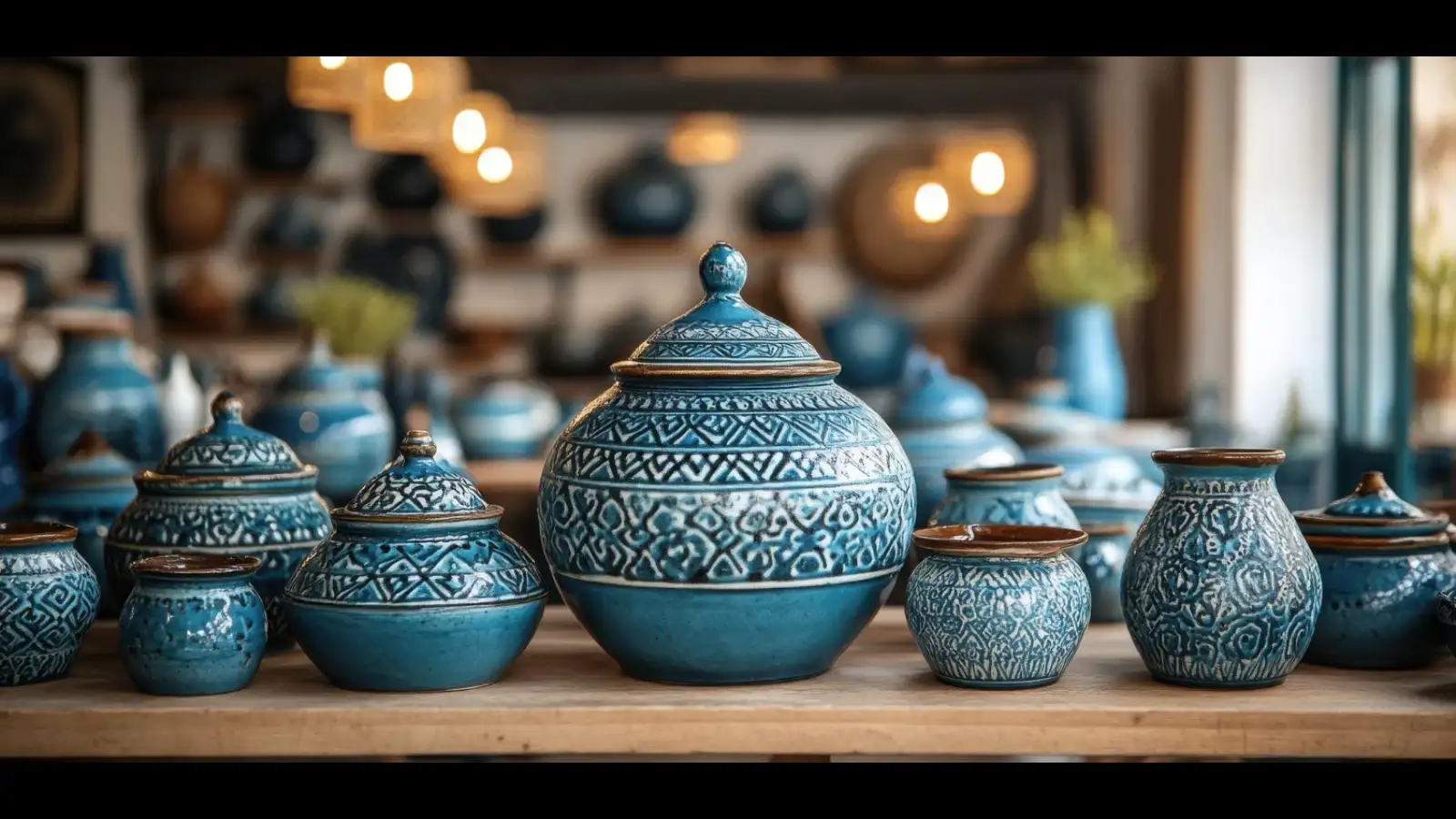
Across the country, cities and craft centres have become closely associated with traditional art forms that continue to connect the past with the present. For travellers, exploring these places offers a chance to discover India's rich cultural heritage through the hands of its artisans.
Here are 10 Indian cities where traditional handicrafts tell fascinating stories.
Varanasi is one of India's important silk weaving centres. Its textile traditions reflect the skill of weavers who turn fine threads into garments associated with celebrations, weddings and cultural identity.
What makes the craft fascinating is the detail hidden in every weave. A saree is not simply a piece of clothing but a record of patience, design and generations of textile knowledge.
Story behind the craft: Varanasi's silk weaving tradition shows how clothing can become an expression of heritage, artistry and celebration.
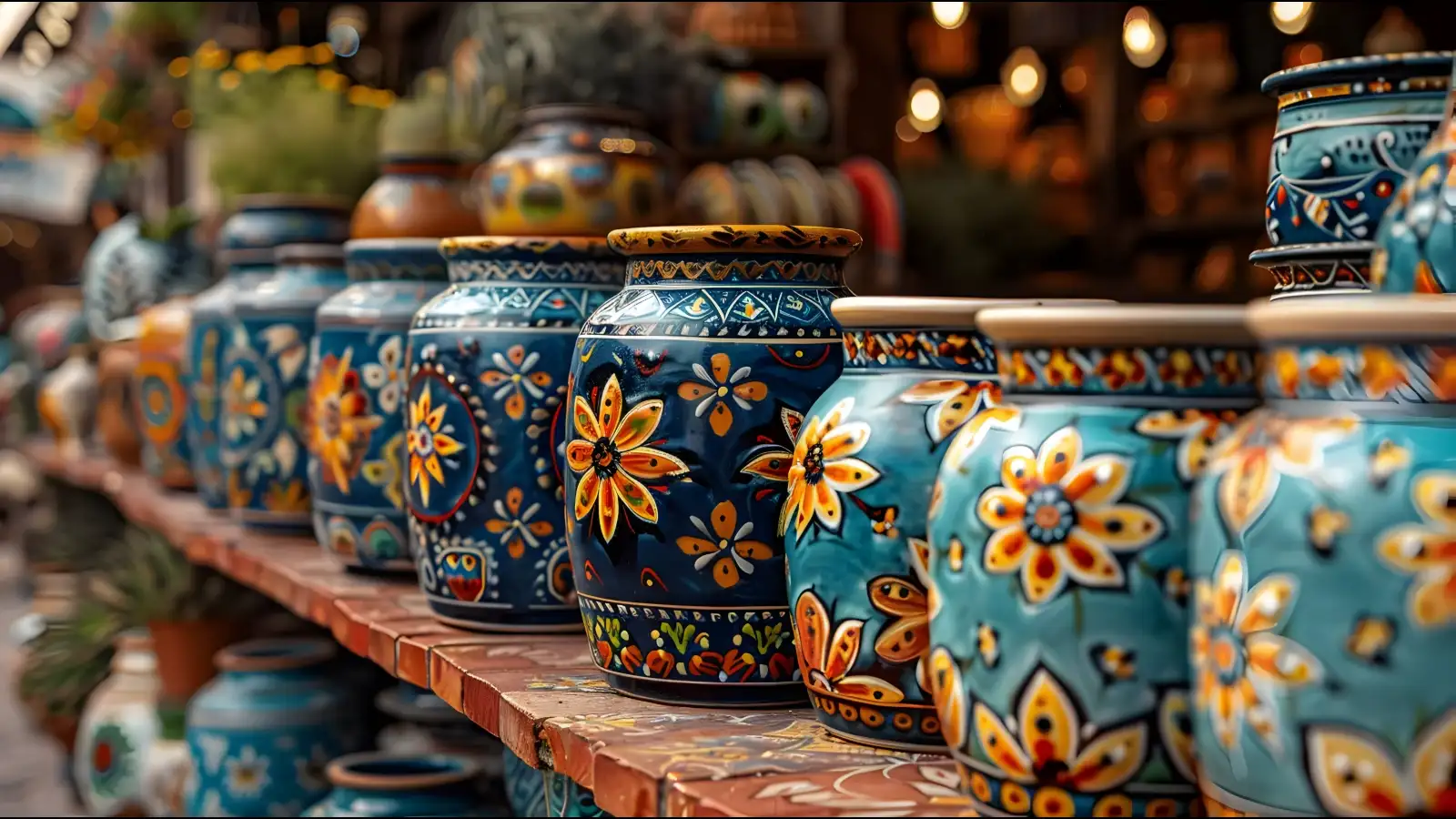
The city is also known for traditional textiles, block printing and jewellery. These crafts reflect Rajasthan's love for vivid colours, detailed patterns and decorative beauty.
A visit to Jaipur's craft markets can reveal how artisans transform everyday materials into objects that carry a strong regional identity. A decorated pot, a printed textile or a piece of jewellery can tell a story about the artistic preferences of the communities that produce it.
Story behind the craft: Jaipur's handicrafts reflect Rajasthan's colourful artistic traditions and the lasting appeal of decorative craftsmanship.
Kashmiri embroidery is another important tradition. Intricate needlework appears on shawls, fabrics and other textiles. The patterns can draw inspiration from flowers, leaves and the natural beauty associated with the valley.
Srinagar's craft traditions demonstrate how art can be shaped by its surroundings. The colours, motifs and techniques often create a sense of connection with Kashmir's cultural landscape.
Story behind the craft: Srinagar's traditional arts preserve the beauty of Kashmiri design through painting, embroidery and patient handwork.
Beadwork, known as Moti Bharat, is another traditional craft associated with Gujarat. It involves arranging beads to create decorative items and jewellery. The craft reflects the region's long-standing interest in detailed ornamental work.
These crafts reflect the importance of textiles and decorative objects in regional culture. The detailed work found on garments and accessories shows how artisans use colour, texture and pattern to create distinctive designs.
Story behind the craft: Ahmedabad's craft traditions reveal Gujarat's love for vibrant embroidery, beadwork and artistic textile decoration.
Odisha is also associated with Pattachitra, a traditional painting style known for its detailed compositions and strong connection with mythology and religious storytelling. The art form is especially associated with the Raghurajpur craft village, near Puri.
These crafts show how stories can be preserved through visual art. Scenes, motifs and figures become part of a handmade object that carries cultural meaning.
Story behind the craft: Odisha's handicrafts demonstrate how natural materials and traditional painting techniques can preserve stories, beliefs and artistic knowledge.
The craft requires careful planning and precision. Each piece must be shaped and fitted so that the overall design appears balanced and refined.
Karnataka is also home to Channapatna lacquerware, a traditional craft associated with the town of Channapatna. Its colourful wooden toys and decorative objects are recognised for their smooth finish and bright appearance.
Story behind the craft: Karnataka's wooden handicrafts show how ordinary materials can become intricate works of art through patience and precision.
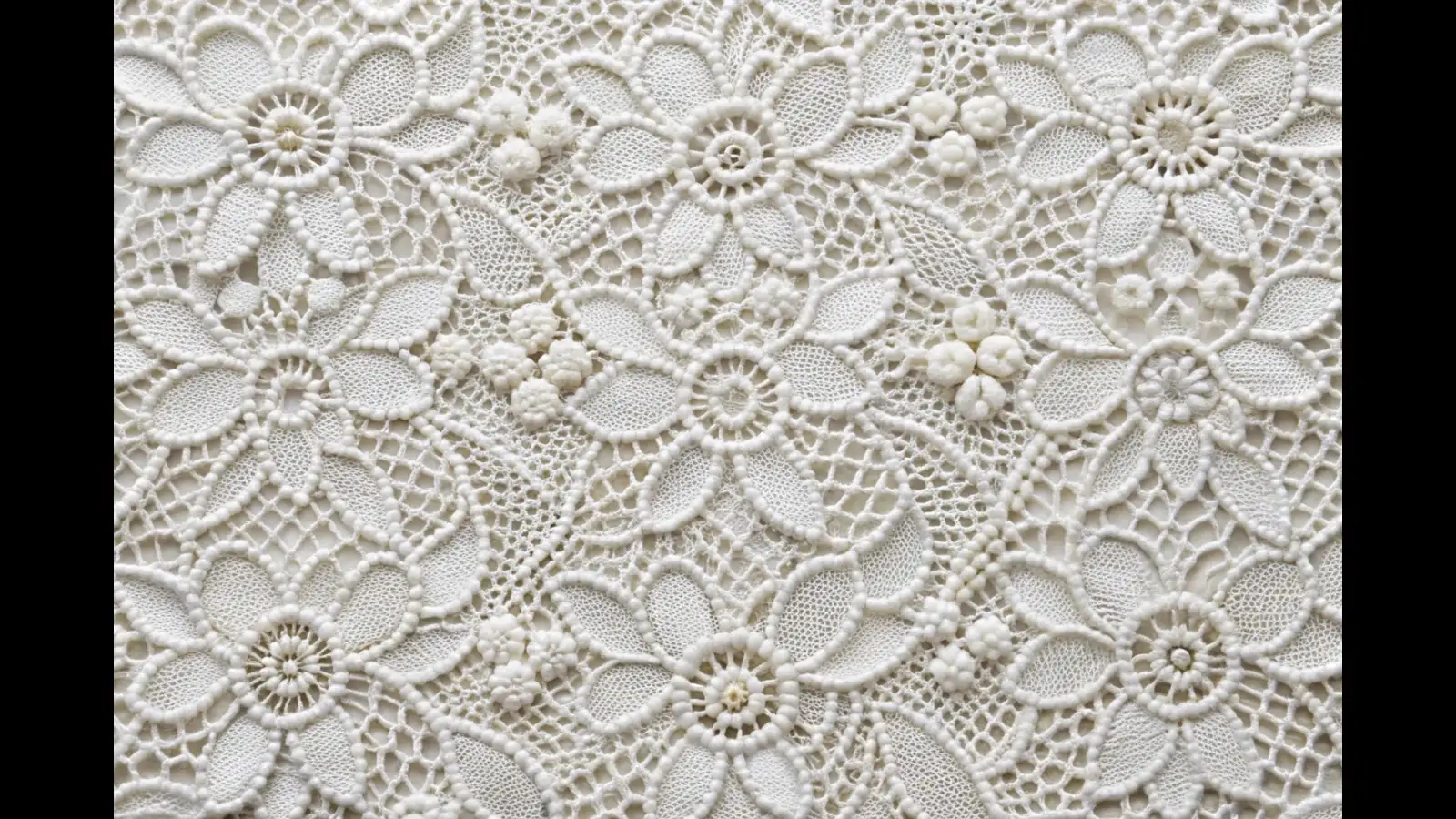 Chikankari is known for its fine embroidery on fabrics such as cotton and other textiles. Artisans use different stitches to create floral motifs, leafy patterns and delicate decorative details.
The beauty of chikankari lies in its subtlety. Unlike heavily embellished textiles, many chikankari designs rely on the texture of the stitches and the arrangement of patterns.
The craft has become an important part of Lucknow's cultural identity. It also reflects the skill required to produce detailed hand embroidery, where even a small design may involve considerable time and effort.
Story behind the craft: Lucknow's chikankari preserves a tradition of delicate needlework, showing how simple stitches can create elegant and expressive designs.
Silk weaving requires knowledge of yarn preparation, loom work, colour and finishing. These skills help transform raw material into fabric that can be used for sarees, dress materials and other textiles.
The story of Bhagalpur's silk is also a story of craftsmanship passed through generations. The finished fabric represents not just the material but the work of the people involved in creating it.
Story behind the craft: Bhagalpur's silk traditions show how weaving can become a lasting part of a city's economic and cultural identity.
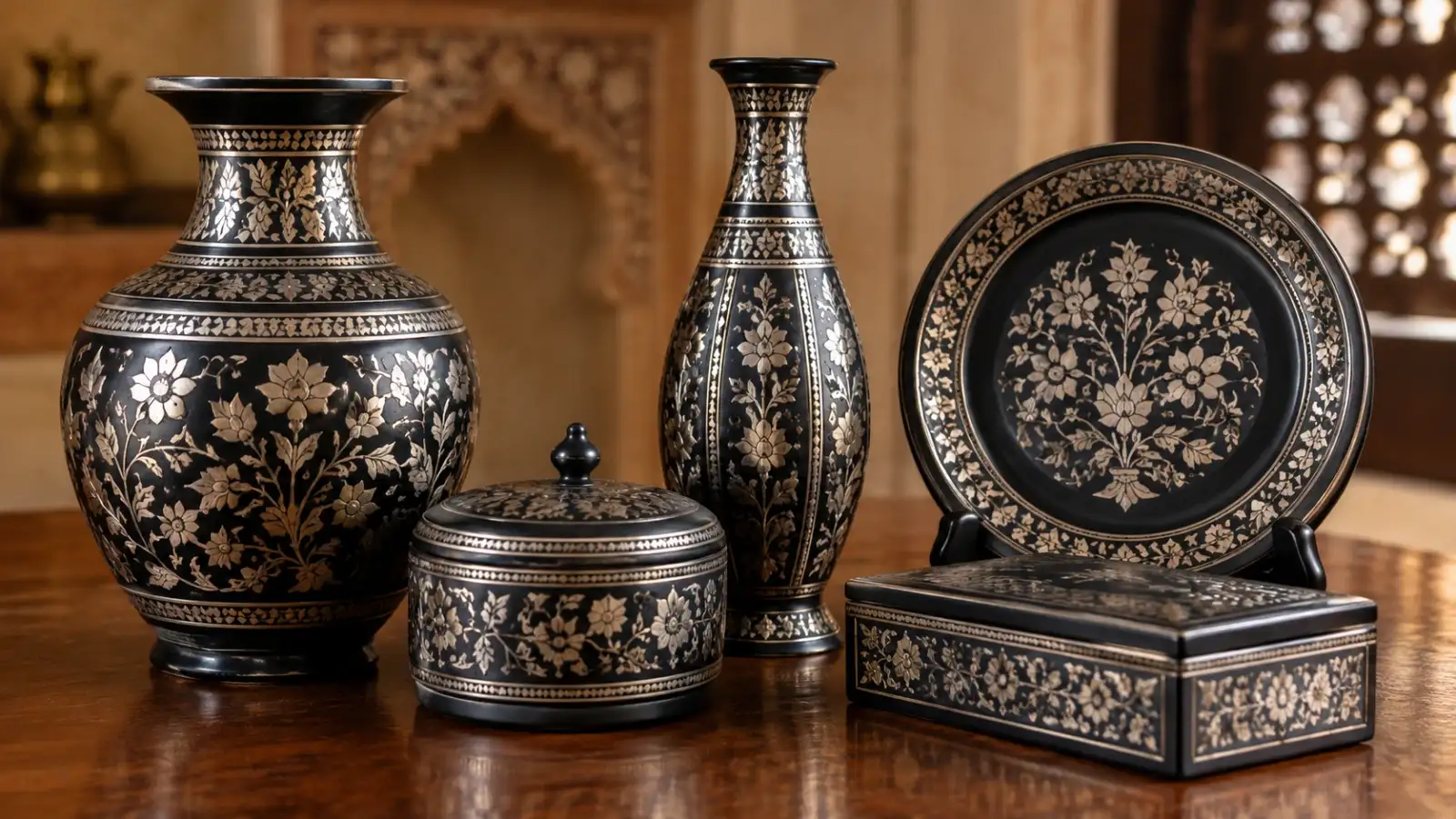
Artisans use specialised techniques to shape, engrave and finish the objects. Traditional designs may include floral patterns, geometric details and other decorative motifs.
Bidriware is often seen in decorative objects, including vases, boxes and other artistic pieces. Its appearance makes it easy to recognise, while the detailed work reflects the skill of the craftspeople.
Story behind the craft: Bidriware tells a story of metalworking expertise, intricate decoration and a distinctive artistic tradition associated with the Deccan.
West Bengal is also associated with Pattachitra traditions, particularly in the Pingla region of Paschim Medinipur. Artists create painted scrolls and cloth-based artworks that can depict mythological stories and everyday scenes.
These crafts show how textiles and paintings can serve as storytelling tools. Rather than relying only on written words, artisans use patterns, figures and scenes to communicate cultural ideas.
Story behind the craft: West Bengal's traditional arts demonstrate how embroidery and painting can preserve stories through colour, cloth and visual imagination.
Exploring craft traditions in different cities also reveals how geography and local culture influence art. The silk of Varanasi, the embroidery of Lucknow and the metalwork of Hyderabad each have their own character.
For travellers, visiting craft markets, museums and artisan workshops can be a meaningful way to understand India's cultural diversity. Buying genuine handmade products from artisans and trusted craft outlets can also help support traditional craft communities.
Disclaimer: Many Indian handicrafts are practised across multiple towns and regions. The cities mentioned here are recognised centres or gateways associated with the respective crafts, not necessarily their only places of origin. Historical details and origin stories can vary across sources and traditions.
Across the country, cities and craft centres have become closely associated with traditional art forms that continue to connect the past with the present. For travellers, exploring these places offers a chance to discover India's rich cultural heritage through the hands of its artisans.
Here are 10 Indian cities where traditional handicrafts tell fascinating stories.
1. Varanasi, Uttar Pradesh: The Poetry of Silk and Brocade
The story of Varanasi's traditional handicrafts is woven into its silk. Known for its Banarasi sarees and brocades, the city has a long-standing connection with India's textile heritage.Banarasi Silk: Threads of Tradition
Banarasi silk sarees are recognised for their intricate designs, rich borders and elaborate pallus. Floral motifs, leaves, birds and other patterns bring the fabric to life. Gold and silver zari work adds to their distinctive appearance.Varanasi is one of India's important silk weaving centres. Its textile traditions reflect the skill of weavers who turn fine threads into garments associated with celebrations, weddings and cultural identity.
What makes the craft fascinating is the detail hidden in every weave. A saree is not simply a piece of clothing but a record of patience, design and generations of textile knowledge.
Story behind the craft: Varanasi's silk weaving tradition shows how clothing can become an expression of heritage, artistry and celebration.
2. Jaipur, Rajasthan: Where Colour Meets Royal Craftsmanship
Jaipur is a wonderful destination for discovering the colourful craft traditions of Rajasthan. Its handicrafts bring together decorative design, skilled workmanship and influences from the region's artistic history.Blue Pottery and Decorative Arts
Jaipur is particularly associated with blue pottery, a decorative craft known for its blue-and-white patterns and glazed finish. The craft is admired for its delicate appearance and distinctive visual style.The city is also known for traditional textiles, block printing and jewellery. These crafts reflect Rajasthan's love for vivid colours, detailed patterns and decorative beauty.
A visit to Jaipur's craft markets can reveal how artisans transform everyday materials into objects that carry a strong regional identity. A decorated pot, a printed textile or a piece of jewellery can tell a story about the artistic preferences of the communities that produce it.
Story behind the craft: Jaipur's handicrafts reflect Rajasthan's colourful artistic traditions and the lasting appeal of decorative craftsmanship.
3. Srinagar, Jammu and Kashmir: Art Inspired by the Valley
Srinagar's handicrafts are closely connected with the landscapes, cultural traditions and artistic heritage of Kashmir. The city is known for crafts that combine intricate patterns with careful handwork.Papier-Mache and Kashmiri Embroidery
Kashmiri papier-mache is recognised for its painted decorative objects, often featuring floral designs, detailed motifs and vibrant colours. Artisans work on shaped objects before adding decorative painting and finishing touches.Kashmiri embroidery is another important tradition. Intricate needlework appears on shawls, fabrics and other textiles. The patterns can draw inspiration from flowers, leaves and the natural beauty associated with the valley.
Srinagar's craft traditions demonstrate how art can be shaped by its surroundings. The colours, motifs and techniques often create a sense of connection with Kashmir's cultural landscape.
Story behind the craft: Srinagar's traditional arts preserve the beauty of Kashmiri design through painting, embroidery and patient handwork.
4. Ahmedabad, Gujarat: The Language of Threads and Mirrors
Ahmedabad offers a glimpse into Gujarat's rich textile and embroidery traditions. The region's handicrafts are known for bright colours, decorative patterns and techniques that turn fabric into a form of storytelling.Embroidery and Beadwork
Gujarat is associated with several traditional embroidery styles, including colourful mirror work. Small mirrors, decorative stitching and vivid threads are used to create striking designs on textiles and accessories.Beadwork, known as Moti Bharat, is another traditional craft associated with Gujarat. It involves arranging beads to create decorative items and jewellery. The craft reflects the region's long-standing interest in detailed ornamental work.
These crafts reflect the importance of textiles and decorative objects in regional culture. The detailed work found on garments and accessories shows how artisans use colour, texture and pattern to create distinctive designs.
Story behind the craft: Ahmedabad's craft traditions reveal Gujarat's love for vibrant embroidery, beadwork and artistic textile decoration.
5. Bhubaneswar, Odisha: Palm Leaves That Become Art
Bhubaneswar is a useful starting point for exploring Odisha's rich artistic traditions. The state is known for handicrafts that combine religious themes, natural materials and intricate workmanship.Palm Leaf Engraving and Pattachitra
Palm leaf engraving is one of Odisha's distinctive craft traditions. Artisans work on prepared palm leaves to create detailed designs and illustrations. The technique reflects the use of natural materials in traditional artistic practices.Odisha is also associated with Pattachitra, a traditional painting style known for its detailed compositions and strong connection with mythology and religious storytelling. The art form is especially associated with the Raghurajpur craft village, near Puri.
These crafts show how stories can be preserved through visual art. Scenes, motifs and figures become part of a handmade object that carries cultural meaning.
Story behind the craft: Odisha's handicrafts demonstrate how natural materials and traditional painting techniques can preserve stories, beliefs and artistic knowledge.
6. Mysuru, Karnataka: The Beauty of Wood and Lacquer
Mysuru is known for its connection with Karnataka's decorative arts and traditional craftsmanship. Its handicrafts reflect the region's appreciation for fine materials, detailed designs and skilled finishing.Rosewood Inlay and Traditional Craft
Mysuru rosewood inlay is a well-known craft associated with the city. Artisans create decorative patterns by fitting contrasting materials into wooden surfaces. The result can feature floral designs, geometric patterns and elaborate decorative scenes.The craft requires careful planning and precision. Each piece must be shaped and fitted so that the overall design appears balanced and refined.
Karnataka is also home to Channapatna lacquerware, a traditional craft associated with the town of Channapatna. Its colourful wooden toys and decorative objects are recognised for their smooth finish and bright appearance.
Story behind the craft: Karnataka's wooden handicrafts show how ordinary materials can become intricate works of art through patience and precision.
7. Lucknow, Uttar Pradesh: The Delicate Art of Chikankari
Lucknow's handicraft identity is strongly linked with chikankari, a delicate embroidery tradition admired for its fine needlework. The craft is often associated with elegant clothing and intricate textile decoration.Chikankari: Beauty in Every Stitch
The beauty of chikankari lies in its subtlety. Unlike heavily embellished textiles, many chikankari designs rely on the texture of the stitches and the arrangement of patterns.
The craft has become an important part of Lucknow's cultural identity. It also reflects the skill required to produce detailed hand embroidery, where even a small design may involve considerable time and effort.
Story behind the craft: Lucknow's chikankari preserves a tradition of delicate needlework, showing how simple stitches can create elegant and expressive designs.
8. Bhagalpur, Bihar: The Heritage of Silk Weaving
Bhagalpur is one of India's recognised silk centres. Often associated with Tussar silk and traditional weaving, the city has a strong connection with the textile heritage of Bihar.Silk That Carries a Regional Identity
Bhagalpur is known for its silk weaving traditions. The region's textile heritage is connected with the production and weaving of fabrics valued for their texture and appearance.Silk weaving requires knowledge of yarn preparation, loom work, colour and finishing. These skills help transform raw material into fabric that can be used for sarees, dress materials and other textiles.
The story of Bhagalpur's silk is also a story of craftsmanship passed through generations. The finished fabric represents not just the material but the work of the people involved in creating it.
Story behind the craft: Bhagalpur's silk traditions show how weaving can become a lasting part of a city's economic and cultural identity.
9. Hyderabad, Telangana: The Art of Bidriware
Hyderabad is closely associated with Bidriware, a distinctive metal handicraft known for its dark surface and contrasting silver inlay. The craft is admired for its detailed designs and unusual finish.Bidriware: A Craft of Contrast
Bidriware is traditionally made from a metal alloy and decorated with silver inlay. The dark body of the object creates a striking contrast with the lighter decorative patterns.Artisans use specialised techniques to shape, engrave and finish the objects. Traditional designs may include floral patterns, geometric details and other decorative motifs.
Bidriware is often seen in decorative objects, including vases, boxes and other artistic pieces. Its appearance makes it easy to recognise, while the detailed work reflects the skill of the craftspeople.
Story behind the craft: Bidriware tells a story of metalworking expertise, intricate decoration and a distinctive artistic tradition associated with the Deccan.
10. Kolkata, West Bengal: Stories Painted on Cloth
Kolkata is a gateway to West Bengal's rich folk art and handicraft traditions. The state's crafts often connect visual storytelling with mythology, village life and regional culture.Kantha and Pattachitra Traditions
Kantha embroidery is known for its layered stitching and decorative designs. Traditional kantha work can involve repurposed fabrics, with artisans using running stitches to create patterns and illustrations.West Bengal is also associated with Pattachitra traditions, particularly in the Pingla region of Paschim Medinipur. Artists create painted scrolls and cloth-based artworks that can depict mythological stories and everyday scenes.
These crafts show how textiles and paintings can serve as storytelling tools. Rather than relying only on written words, artisans use patterns, figures and scenes to communicate cultural ideas.
Story behind the craft: West Bengal's traditional arts demonstrate how embroidery and painting can preserve stories through colour, cloth and visual imagination.
Why India's Handicrafts Matter
Traditional handicrafts are an important part of India's cultural heritage. They preserve techniques, artistic styles and knowledge that have been passed from one generation to another.Exploring craft traditions in different cities also reveals how geography and local culture influence art. The silk of Varanasi, the embroidery of Lucknow and the metalwork of Hyderabad each have their own character.
For travellers, visiting craft markets, museums and artisan workshops can be a meaningful way to understand India's cultural diversity. Buying genuine handmade products from artisans and trusted craft outlets can also help support traditional craft communities.
Disclaimer: Many Indian handicrafts are practised across multiple towns and regions. The cities mentioned here are recognised centres or gateways associated with the respective crafts, not necessarily their only places of origin. Historical details and origin stories can vary across sources and traditions.
Next Story