
Indian Dishes That Are Almost Extinct and Need to Be Saved

India is famous for having thousands of regional dishes, but culinary diversity can be surprisingly fragile. A recipe may depend on one seasonal ingredient, a particular grain, a disappearing fish species or a cooking technique that few people still practise. When any part of that chain breaks, the dish can become almost impossible to reproduce. This is already happening in parts of India. Studies and culinary documentation projects have identified traditional dishes that have vanished or are now rarely prepared. The threat is not limited to recipes themselves. Along with them can disappear agricultural knowledge, local ingredients, preservation methods and memories of how communities once ate.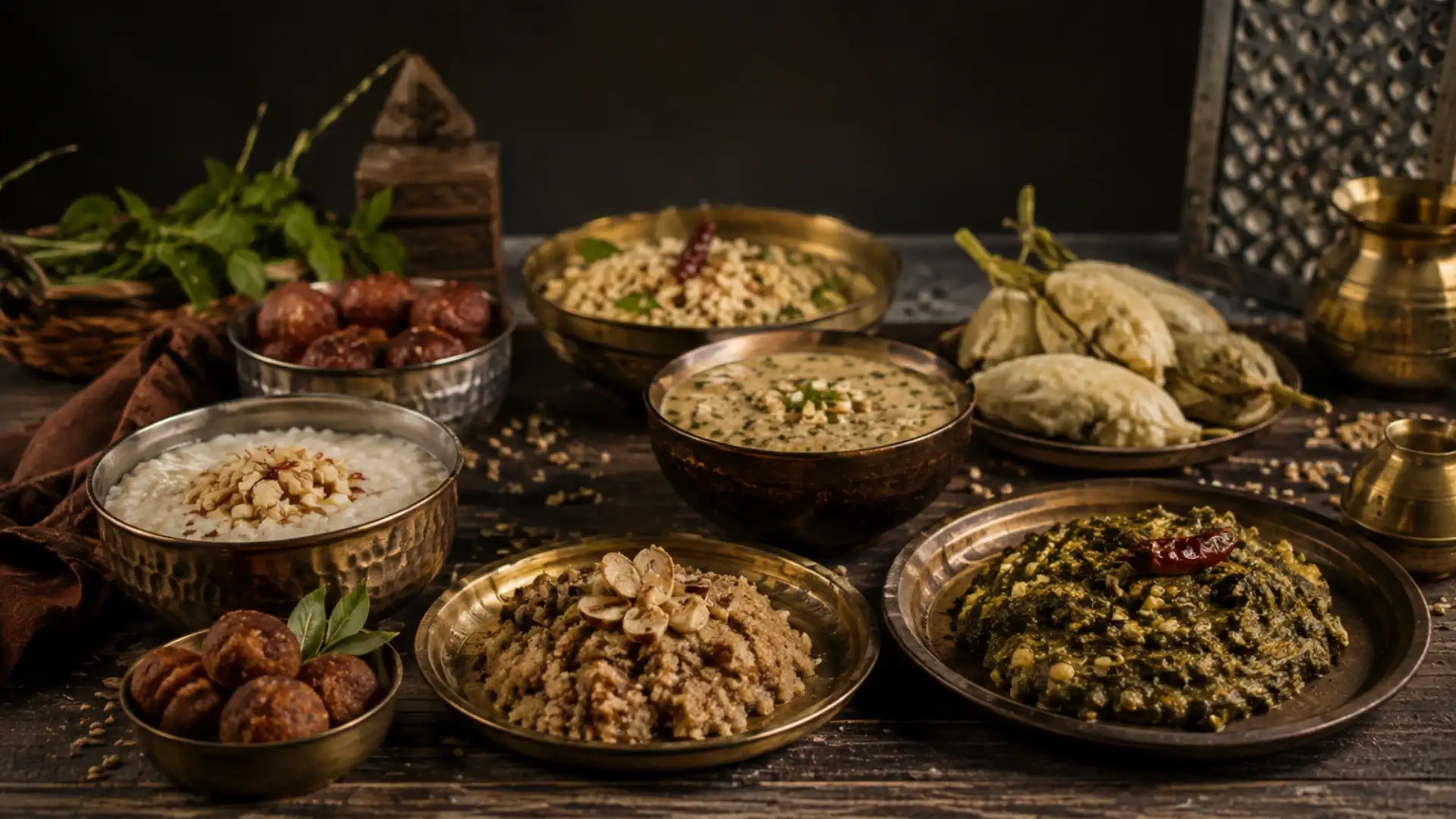
An older generation might prepare it during festivals, harvests or particular seasons, while younger family members choose more convenient foods. Eventually, the dish may survive only in someone's memory.
A 2024 report from Bhopal described a state culture department study that found hundreds of traditional Madhya Pradesh dishes had become extinct or were on the verge of disappearing. The reasons included changing tastes, unavailable ingredients and the time and labour required to prepare certain recipes.
In Bengal, culinary historian and writer Abhijit Gupta has noted that some traditional fish preparations have become difficult to reproduce because fish species once used in those recipes are no longer readily available. At the same time, newer ingredients have entered everyday markets and changed cooking habits.
This is an important distinction. Saving a recipe on paper does not necessarily save the food. The ingredient itself may need protection.
Other regional examples include old Awadhi preparations whose recipes were once closely guarded by royal kitchens. Sahapedia notes that some of these recipes disappeared with the cooks who knew them, although modern chefs and home cooks are now attempting to recreate them.
Recording recipes, growing traditional ingredients, supporting regional food festivals and encouraging younger cooks to learn from older generations can all help.
India does not need to turn every disappearing dish into a commercial product. Some simply need to remain alive in homes.
A dish becomes almost extinct when people stop making it. Its revival begins at exactly the opposite moment, when someone decides to cook it again.
When a Dish Disappears From the Kitchen
A traditional dish does not become extinct overnight. Usually, it begins by appearing less frequently.An older generation might prepare it during festivals, harvests or particular seasons, while younger family members choose more convenient foods. Eventually, the dish may survive only in someone's memory.
A 2024 report from Bhopal described a state culture department study that found hundreds of traditional Madhya Pradesh dishes had become extinct or were on the verge of disappearing. The reasons included changing tastes, unavailable ingredients and the time and labour required to prepare certain recipes.
The Ingredients Can Disappear Too
Sometimes the problem begins outside the kitchen.You may also like
- When it comes to protein, it's about eating appropriately, not eating more, say experts
- Anand Mahindra says, “How could this state not be on top of the travel bucket list?” as 5-year-old Yato Wangnao stuns the world with his National Anthem
- A town in the Netherlands will not let you live there unless you grow food on at least half of your land
- How your daily UAE commute could expose skin to sun damage; experts weigh in
- From beauty to self-care: Cosmetics are becoming everyday essentials
In Bengal, culinary historian and writer Abhijit Gupta has noted that some traditional fish preparations have become difficult to reproduce because fish species once used in those recipes are no longer readily available. At the same time, newer ingredients have entered everyday markets and changed cooking habits.
This is an important distinction. Saving a recipe on paper does not necessarily save the food. The ingredient itself may need protection.
Recipes at Risk
Traditional dishes reported as lost or endangered include preparations from Madhya Pradesh such as gulgula, raskhir, paudapitha, chusela, kola ki kheer and several forgotten leafy-green dishes.Other regional examples include old Awadhi preparations whose recipes were once closely guarded by royal kitchens. Sahapedia notes that some of these recipes disappeared with the cooks who knew them, although modern chefs and home cooks are now attempting to recreate them.
Why Preservation Matters
Food preservation is often discussed in terms of cookbooks and restaurants, but the most important archive may still be the household.Recording recipes, growing traditional ingredients, supporting regional food festivals and encouraging younger cooks to learn from older generations can all help.
India does not need to turn every disappearing dish into a commercial product. Some simply need to remain alive in homes.
A dish becomes almost extinct when people stop making it. Its revival begins at exactly the opposite moment, when someone decides to cook it again.






Loving Newspoint? Download the app now
