
Indian Dishes That Were Once Royal: 8 Iconic Foods That Defined Wealth and Luxury

Many Indian dishes that were once royal are now easily available - from festive feasts to quick online orders. But historically, these dishes were symbols of luxury, crafted with rare ingredients and great skill. They weren’t just about taste; they reflected status, celebration, and refinement.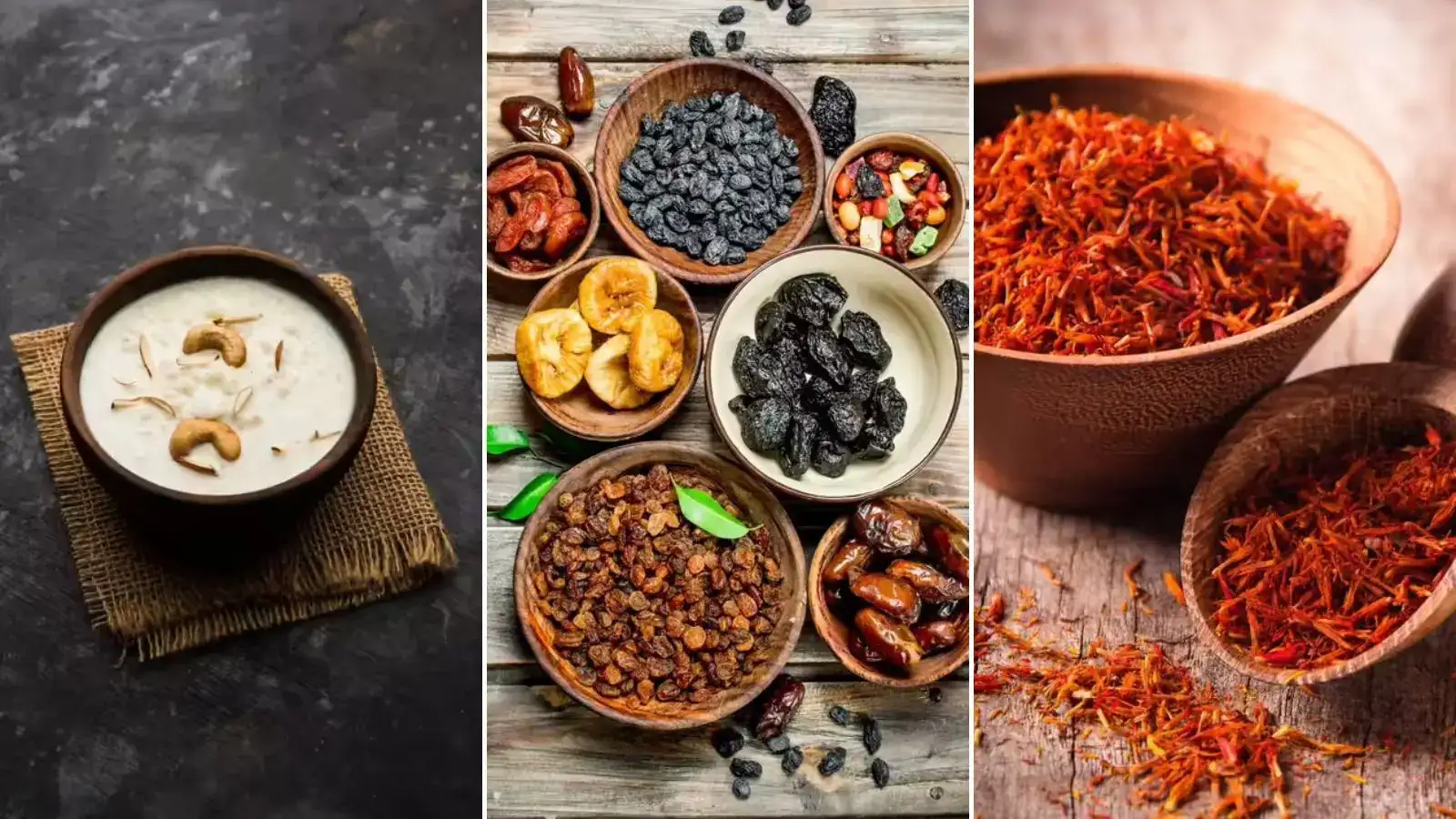
Over time, these once-exclusive recipes moved beyond royal kitchens and became an integral part of India’s everyday food culture. Here’s a closer look at eight such iconic dishes.
Saffron: The Golden Mark of Luxury
Saffron has always been associated with richness and prestige. Its vibrant colour and subtle aroma made it a prized ingredient in royal kitchens. Used sparingly, it added not just flavour but a sense of grandeur to sweets and rice dishes, making every preparation feel special.
Basmati Rice: Aroma That Elevated Every Meal
Basmati rice was never just a staple - it was a statement. Its long grains and distinct fragrance made it the preferred choice for elaborate meals and celebrations. In royal settings, it played a key role in enhancing both presentation and overall dining experience.
Kheer : A Slow-Cooked Symbol of Indulgence
Kheer represents a quieter form of luxury. Prepared by slowly simmering milk, rice, and sugar, it required patience and care. Often enriched with saffron and dry fruits, it was reserved for festivals and special occasions, making it far more than just a dessert.
Shahi Tukda : A True Royal Treat
Shahi Tukda, which translates to a “royal piece,” lives up to its name. It transforms simple bread into an indulgent dessert by frying it and soaking it in rich, sweetened milk. Garnished with saffron and nuts, it reflects the creativity and richness of royal cuisine.
Dry Fruits: A Sign of Abundance
Dry fruits once symbolised wealth and refinement, as they were not easily accessible.
Their inclusion instantly elevated any dish into something more elaborate.
Ghee: The Essence of Prosperity
Ghee was more than just an ingredient - it was a mark of abundance. In earlier times, preserving dairy products was difficult, making ghee highly valuable. Its rich texture and flavour enhanced both sweet and savoury dishes, turning simple meals into indulgent experiences.
Kebabs: Where Skill Meets Flavour
Kebabs originated as a dish of prestige, influenced by Central Asian and Persian culinary traditions. In royal courts, their preparation was treated as an art form. From careful marination to slow cooking over fire, every step required precision, resulting in perfectly tender and flavourful bites.
Biryani: A Celebration in Layers
Biryani stands out as one of the grandest royal dishes. Combining fragrant rice, spices, and meat in carefully layered preparation, it was designed to impress. Its origins in royal kitchens highlight its rich, celebratory nature, making it far more than just a meal.
A Legacy That Lives On
What makes these dishes truly fascinating is their journey. Once limited to palaces and elite households, they gradually became accessible as trade expanded and culinary traditions spread across regions.
Today, while these foods are part of everyday life, they still carry a sense of their royal past. Every bite - whether rich with ghee or fragrant with saffron - offers a taste of history, tradition, and timeless indulgence.
Over time, these once-exclusive recipes moved beyond royal kitchens and became an integral part of India’s everyday food culture. Here’s a closer look at eight such iconic dishes.
Saffron: The Golden Mark of Luxury
Saffron has always been associated with richness and prestige. Its vibrant colour and subtle aroma made it a prized ingredient in royal kitchens. Used sparingly, it added not just flavour but a sense of grandeur to sweets and rice dishes, making every preparation feel special.Basmati Rice: Aroma That Elevated Every Meal
Basmati rice was never just a staple - it was a statement. Its long grains and distinct fragrance made it the preferred choice for elaborate meals and celebrations. In royal settings, it played a key role in enhancing both presentation and overall dining experience. Kheer : A Slow-Cooked Symbol of Indulgence
Kheer represents a quieter form of luxury. Prepared by slowly simmering milk, rice, and sugar, it required patience and care. Often enriched with saffron and dry fruits, it was reserved for festivals and special occasions, making it far more than just a dessert.You may also like
- Vaibhav Laxmi Rajyoga: Auspicious conjunction of Mercury and Venus on April 18, people of these zodiac signs will become wealthy
- Kitchen Cleanliness Tips: Hand-washers, beware! Even shiny utensils retain so much dirt.
- Boost Your Energy: Expert Tips to Combat Fatigue in Just 15 Days
- Effortless Summer Recipes for Quick Meal Prep
- Artemis II: When Gen Z was busy perfecting moon-tinted filters, Gen X was travelling to the far side of the Moon
Shahi Tukda : A True Royal Treat
Shahi Tukda, which translates to a “royal piece,” lives up to its name. It transforms simple bread into an indulgent dessert by frying it and soaking it in rich, sweetened milk. Garnished with saffron and nuts, it reflects the creativity and richness of royal cuisine. Dry Fruits: A Sign of Abundance
Dry fruits once symbolised wealth and refinement, as they were not easily accessible.
- Almonds, pistachios, and raisins were considered premium ingredients
- Used to enhance both flavour and visual appeal
- Often added to festive and royal dishes
Their inclusion instantly elevated any dish into something more elaborate.
Ghee: The Essence of Prosperity
Ghee was more than just an ingredient - it was a mark of abundance. In earlier times, preserving dairy products was difficult, making ghee highly valuable. Its rich texture and flavour enhanced both sweet and savoury dishes, turning simple meals into indulgent experiences.Kebabs: Where Skill Meets Flavour
Kebabs originated as a dish of prestige, influenced by Central Asian and Persian culinary traditions. In royal courts, their preparation was treated as an art form. From careful marination to slow cooking over fire, every step required precision, resulting in perfectly tender and flavourful bites. Biryani: A Celebration in Layers
Biryani stands out as one of the grandest royal dishes. Combining fragrant rice, spices, and meat in carefully layered preparation, it was designed to impress. Its origins in royal kitchens highlight its rich, celebratory nature, making it far more than just a meal. A Legacy That Lives On
What makes these dishes truly fascinating is their journey. Once limited to palaces and elite households, they gradually became accessible as trade expanded and culinary traditions spread across regions. Today, while these foods are part of everyday life, they still carry a sense of their royal past. Every bite - whether rich with ghee or fragrant with saffron - offers a taste of history, tradition, and timeless indulgence.






More from our partners


Loving Newspoint? Download the app now
