
8 Indian Foods That Have Fascinating Stories Behind Their Unusual Names

Indian food is known for its regional diversity, distinctive flavours and centuries-old culinary traditions. However, some dishes are just as interesting for their names as they are for their taste. Many familiar food names have travelled across languages, cultures and generations, picking up new meanings along the way. Some are linked to their shape, while others reflect historical influences, cooking methods or ingredients. These names often reveal fascinating connections between India's food culture and its past. Here are eight popular Indian foods whose names carry interesting stories that make them even more memorable.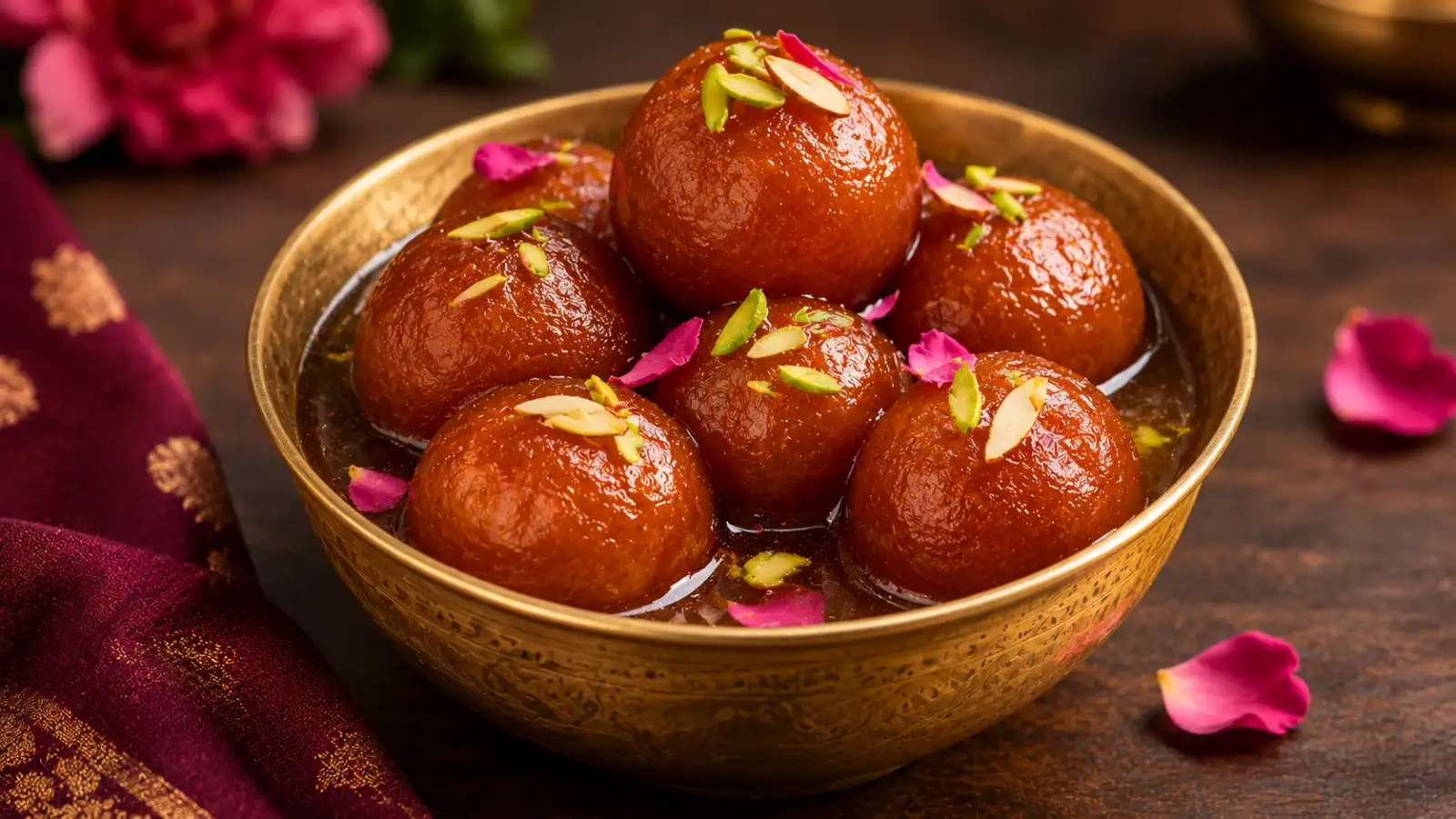
The dessert travelled through different regions and culinary traditions before becoming a familiar part of Indian food culture. Over time, local versions developed, with jalebi becoming popular at festivals, weddings and street-food stalls. Its name reflects the long history of cultural exchange that has influenced Indian desserts.
It travelled through Central Asia and the Middle East before becoming established in the Indian subcontinent. Local cooks adapted it using regional ingredients, spices and fillings. Today, potato-filled samosas are especially popular in India, although variations containing peas, lentils and other vegetarian fillings are also widely enjoyed.
The dessert is traditionally prepared using milk solids, which are shaped into small balls, fried and soaked in sugar syrup. Rose water or cardamom may be added to the syrup for fragrance. Its name beautifully connects the appearance of the sweet with the aromatic ingredients used in its preparation.
The name describes the sweet's most recognisable qualities: its round shape and juicy texture. Rasgulla is closely associated with Bengal and Odisha, and both regions have strong traditions surrounding its preparation and history. Its soft texture and delicate sweetness have made it popular across India.
The word dhokla is closely associated with Gujarat's regional food vocabulary. Although the exact linguistic origin is not firmly established, the name has become strongly connected with the state's culinary identity. Different versions, including khaman and rice-based dhokla, are enjoyed across the country.
The name describes the snack's distinctive combination of crispness and flavoured liquid. The puris are filled with spiced potatoes, chickpeas or other ingredients before being served with tangy, seasoned water. The dish has several regional names, including golgappa in parts of North India and puchka in Bengal.
The name has a long history in Indian culinary traditions, although its precise linguistic origin is not universally established. Different regions prepare malpua in their own ways. Some versions include mashed banana or coconut, while others are served with thickened milk or rabri. It is especially popular during festivals and religious celebrations.
The dish has been part of the Indian food tradition for centuries and appears in historical descriptions of regional meals. Its preparation varies widely, with some versions being simple and lightly seasoned, while others include vegetables, spices and ghee. The name reflects its basic idea: bringing different ingredients together in one pot.
The names of Indian foods often reveal more than their ingredients or cooking methods. They carry traces of language, migration, regional traditions and cultural exchange. From the Persian connections of samosa and jalebi to the descriptive names of pani puri and rasgulla, each dish has a story worth exploring. Understanding these origins adds another layer of interest to familiar meals and highlights the rich history behind India's diverse food culture.
1. Jalebi: A Name With Persian and Arabic Connections
Jalebi is one of India's most loved sweets, recognised for its circular shape, crisp texture and sugary syrup coating. Its name is generally linked to the Arabic word zalabiya and the Persian term zolbiya, which refer to similar fried sweets.The dessert travelled through different regions and culinary traditions before becoming a familiar part of Indian food culture. Over time, local versions developed, with jalebi becoming popular at festivals, weddings and street-food stalls. Its name reflects the long history of cultural exchange that has influenced Indian desserts.
2. Samosa: A Snack That Travelled Across Continents
The samosa is now a familiar Indian snack, but its history extends beyond the subcontinent. The name is commonly traced to the Persian word sanbosag, which referred to a filled, triangular or pastry-like snack.It travelled through Central Asia and the Middle East before becoming established in the Indian subcontinent. Local cooks adapted it using regional ingredients, spices and fillings. Today, potato-filled samosas are especially popular in India, although variations containing peas, lentils and other vegetarian fillings are also widely enjoyed.
3. Gulab Jamun: A Sweet Name Inspired by Flowers and Fruit
Gulab jamun has a name that combines two words with Persian and Arabic associations. Gulab refers to rose water, while jamun is the name of the dark purple Indian fruit that the sweet resembles in shape and colour.The dessert is traditionally prepared using milk solids, which are shaped into small balls, fried and soaked in sugar syrup. Rose water or cardamom may be added to the syrup for fragrance. Its name beautifully connects the appearance of the sweet with the aromatic ingredients used in its preparation.
4. Rasgulla: A Name That Describes Its Texture
Rasgulla is a popular Bengali sweet made from soft chhena balls cooked in light sugar syrup. Its name combines two elements: ras, meaning juice or syrup, and gulla, referring to a round ball.The name describes the sweet's most recognisable qualities: its round shape and juicy texture. Rasgulla is closely associated with Bengal and Odisha, and both regions have strong traditions surrounding its preparation and history. Its soft texture and delicate sweetness have made it popular across India.
5. Dhokla: A Name Rooted in Gujarati Food Culture
Dhokla is a well-known Gujarati snack traditionally prepared using fermented batter made from ingredients such as gram flour or rice and lentils. It is steamed rather than deep-fried, giving it a soft and spongy texture.The word dhokla is closely associated with Gujarat's regional food vocabulary. Although the exact linguistic origin is not firmly established, the name has become strongly connected with the state's culinary identity. Different versions, including khaman and rice-based dhokla, are enjoyed across the country.
6. Pani Puri: A Name That Explains the Eating Experience
Pani puri gets its name from two simple words: pani, meaning water, and puri, referring to the small, crisp fried shells used to hold the filling.The name describes the snack's distinctive combination of crispness and flavoured liquid. The puris are filled with spiced potatoes, chickpeas or other ingredients before being served with tangy, seasoned water. The dish has several regional names, including golgappa in parts of North India and puchka in Bengal.
7. Malpua: An Ancient Sweet With Regional Variations
Malpua is a traditional Indian sweet prepared as a small pancake, usually made from flour, milk and other ingredients before being fried and sometimes dipped in sugar syrup.The name has a long history in Indian culinary traditions, although its precise linguistic origin is not universally established. Different regions prepare malpua in their own ways. Some versions include mashed banana or coconut, while others are served with thickened milk or rabri. It is especially popular during festivals and religious celebrations.
8. Khichdi: A Name Connected With Mixing Ingredients
Khichdi is a comforting Indian dish usually made by cooking rice and lentils together. Its name is generally associated with the Sanskrit-derived term khicca, referring to a preparation made by combining ingredients.The dish has been part of the Indian food tradition for centuries and appears in historical descriptions of regional meals. Its preparation varies widely, with some versions being simple and lightly seasoned, while others include vegetables, spices and ghee. The name reflects its basic idea: bringing different ingredients together in one pot.
The names of Indian foods often reveal more than their ingredients or cooking methods. They carry traces of language, migration, regional traditions and cultural exchange. From the Persian connections of samosa and jalebi to the descriptive names of pani puri and rasgulla, each dish has a story worth exploring. Understanding these origins adds another layer of interest to familiar meals and highlights the rich history behind India's diverse food culture.
Next Story