
10 Indian Fruits That Are Naturally Rich in Water and Help Keep You Hydrated

Staying hydrated is important for maintaining energy, supporting digestion and regulating body temperature. While drinking enough water is essential, certain fruits can also contribute to daily fluid intake. India offers a wide variety of juicy fruits that contain considerable amounts of water along with vitamins, minerals and dietary fibre. From refreshing summer favourites to fruits available throughout the year, these natural options can make everyday eating more enjoyable. Including water-rich fruits in your diet is particularly useful during hot weather when the body loses more fluids through sweating. Here are ten Indian fruits worth adding to your fruit bowl.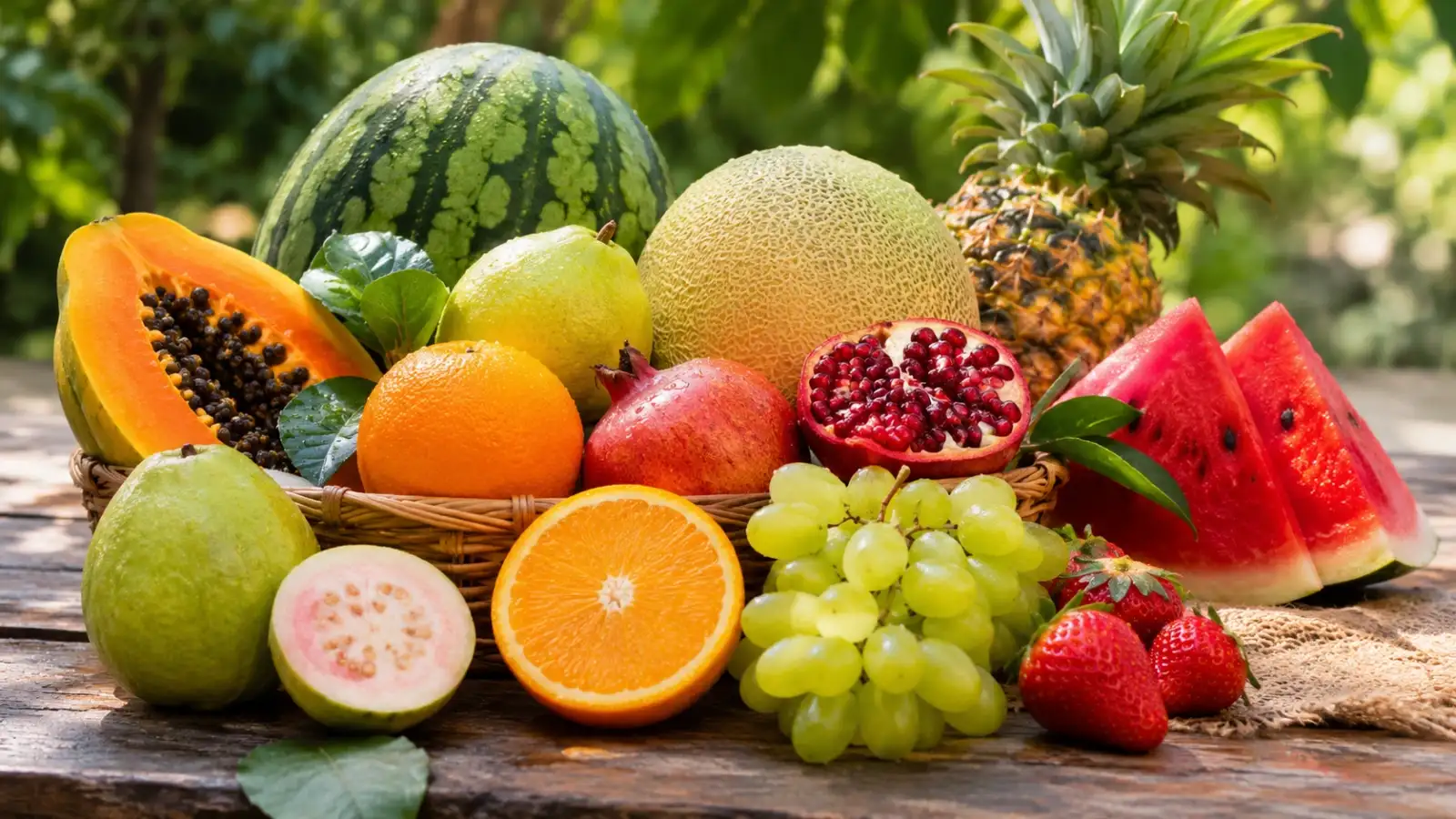
It also provides vitamin C, lycopene and small amounts of potassium. You can enjoy it in freshly cut slices, fruit salads or homemade smoothies without adding extra sugar.
It provides vitamin C, vitamin A precursors and potassium. Muskmelon can be eaten chilled, added to fruit bowls or blended into a refreshing drink.
They are particularly valued for their vitamin C content, which supports normal immune function and helps the body produce collagen. Eating whole orange segments also provides dietary fibre that is largely lost when the fruit is turned into juice.
It provides vitamin C, beta-carotene and dietary fibre. Its soft texture makes it suitable for fruit salads, smoothies and simple morning snacks. Ripe papaya can also be enjoyed on its own without additional sweeteners.
It provides vitamin C and manganese, along with an enzyme called bromelain. Fresh pineapple can be eaten in slices, added to fruit salads or used in homemade smoothies.
It provides vitamin C and other nutrients. Eating the whole fruit is generally preferable to drinking strained juice because it retains more dietary fibre and can be more filling.
They provide natural sugars, vitamin K and plant compounds such as polyphenols. Both green and black grapes can be added to fruit bowls or enjoyed chilled as a refreshing snack.
They provide vitamin C, fibre and antioxidant compounds. Fresh strawberries can be eaten whole, added to yoghurt or blended into smoothies. They are particularly popular during the winter fruit season in many parts of India.
It also provides dietary fibre and other plant compounds. Guava can be eaten fresh with a little black salt or added to fruit salads. Its seeds are edible and contribute to its fibre content.
It provides fibre, potassium and beneficial plant compounds called polyphenols. The seeds can be sprinkled over salads, mixed into yoghurt or enjoyed as a simple snack.
1. Watermelon: One of the Most Hydrating Fruits
Watermelon is among the most popular summer fruits in India because of its refreshing taste and high water content. It consists of approximately 92% water, making it a useful addition to a hydration-friendly diet.It also provides vitamin C, lycopene and small amounts of potassium. You can enjoy it in freshly cut slices, fruit salads or homemade smoothies without adding extra sugar.
2. Muskmelon: A Juicy Summer Favourite
Muskmelon, also known as kharbuja, contains around 90% water. Its soft texture and naturally sweet flavour make it a popular choice during warmer months.It provides vitamin C, vitamin A precursors and potassium. Muskmelon can be eaten chilled, added to fruit bowls or blended into a refreshing drink.
3. Orange: A Citrus Fruit With Plenty of Water
Oranges contain approximately 86% to 87% water and are widely available in Indian markets during winter.They are particularly valued for their vitamin C content, which supports normal immune function and helps the body produce collagen. Eating whole orange segments also provides dietary fibre that is largely lost when the fruit is turned into juice.
4. Papaya: A Soft Fruit With Natural Moisture
Papaya contains around 88% water and is commonly enjoyed as a breakfast fruit in Indian households.It provides vitamin C, beta-carotene and dietary fibre. Its soft texture makes it suitable for fruit salads, smoothies and simple morning snacks. Ripe papaya can also be enjoyed on its own without additional sweeteners.
5. Pineapple: A Tropical Fruit With Refreshing Juiciness
Pineapple contains approximately 86% water and is known for its sweet flavour with a slightly tangy finish.It provides vitamin C and manganese, along with an enzyme called bromelain. Fresh pineapple can be eaten in slices, added to fruit salads or used in homemade smoothies.
6. Sweet Lime: A Refreshing Citrus Option
Sweet lime, commonly known as mosambi, contains around 88% water. It is a familiar fruit in Indian households and is often consumed as a fresh juice.It provides vitamin C and other nutrients. Eating the whole fruit is generally preferable to drinking strained juice because it retains more dietary fibre and can be more filling.
7. Grapes: Small Fruits With High Water Content
Grapes contain approximately 81% water and make a convenient snack during the day.You may also like
- Ration Card Complaint 2026: Not getting your ration or is the dealer making a mistake? Now you can complain to officials on Webex
- Solar Panels: Can exposure to overnight dew in winter reduce their lifespan?
- Train ticket booking stalled; IRCTC, Rail One, and Rail Connect all down.
- In 2020, Prachi Shirodkar switched from architecture to storytelling; six years later, the 28-year-old's low-budget film on Goa's goldsmiths has won awards and been screened internationally
- Thanksgiving wellness: Enjoy mashed potatoes guilt‑free, but how to balance indulgence?
They provide natural sugars, vitamin K and plant compounds such as polyphenols. Both green and black grapes can be added to fruit bowls or enjoyed chilled as a refreshing snack.
8. Strawberries: Juicy Berries With Vitamin C
Strawberries contain around 91% water and are known for their bright colour and mildly sweet, tangy flavour.They provide vitamin C, fibre and antioxidant compounds. Fresh strawberries can be eaten whole, added to yoghurt or blended into smoothies. They are particularly popular during the winter fruit season in many parts of India.
9. Guava: A Fibre-Rich Fruit With Natural Moisture
Guava contains approximately 80% water and is widely enjoyed across India. It is particularly valued for its high vitamin C content.It also provides dietary fibre and other plant compounds. Guava can be eaten fresh with a little black salt or added to fruit salads. Its seeds are edible and contribute to its fibre content.
10. Pomegranate: A Juicy Fruit With Nutritional Benefits
Pomegranate contains approximately 78% water and is recognised by its bright red, juicy seeds.It provides fibre, potassium and beneficial plant compounds called polyphenols. The seeds can be sprinkled over salads, mixed into yoghurt or enjoyed as a simple snack.
How to Include More Water-Rich Fruits in Your Diet
- Start your morning with a bowl of fresh seasonal fruit.
- Carry whole fruits such as oranges, guavas or grapes for convenient snacks.
- Add watermelon and muskmelon to summer fruit bowls.
- Combine different fruits with plain yoghurt for a refreshing snack.
- Choose whole fruits more often than strained juices to retain dietary fibre.
- Wash fruits properly before cutting or eating them.






Loving Newspoint? Download the app now
