
How Indian Jewellery Designs Tell the Story of Regional Culture

Indian jewellery is much more than an accessory worn for beauty. Across the country, ornaments have carried stories of royal families, religious beliefs, social traditions, local craftsmanship and changing fashion preferences. From the intricate gold jewellery of Kerala to the colourful silver ornaments of Rajasthan, every region has developed designs that reflect its unique cultural identity.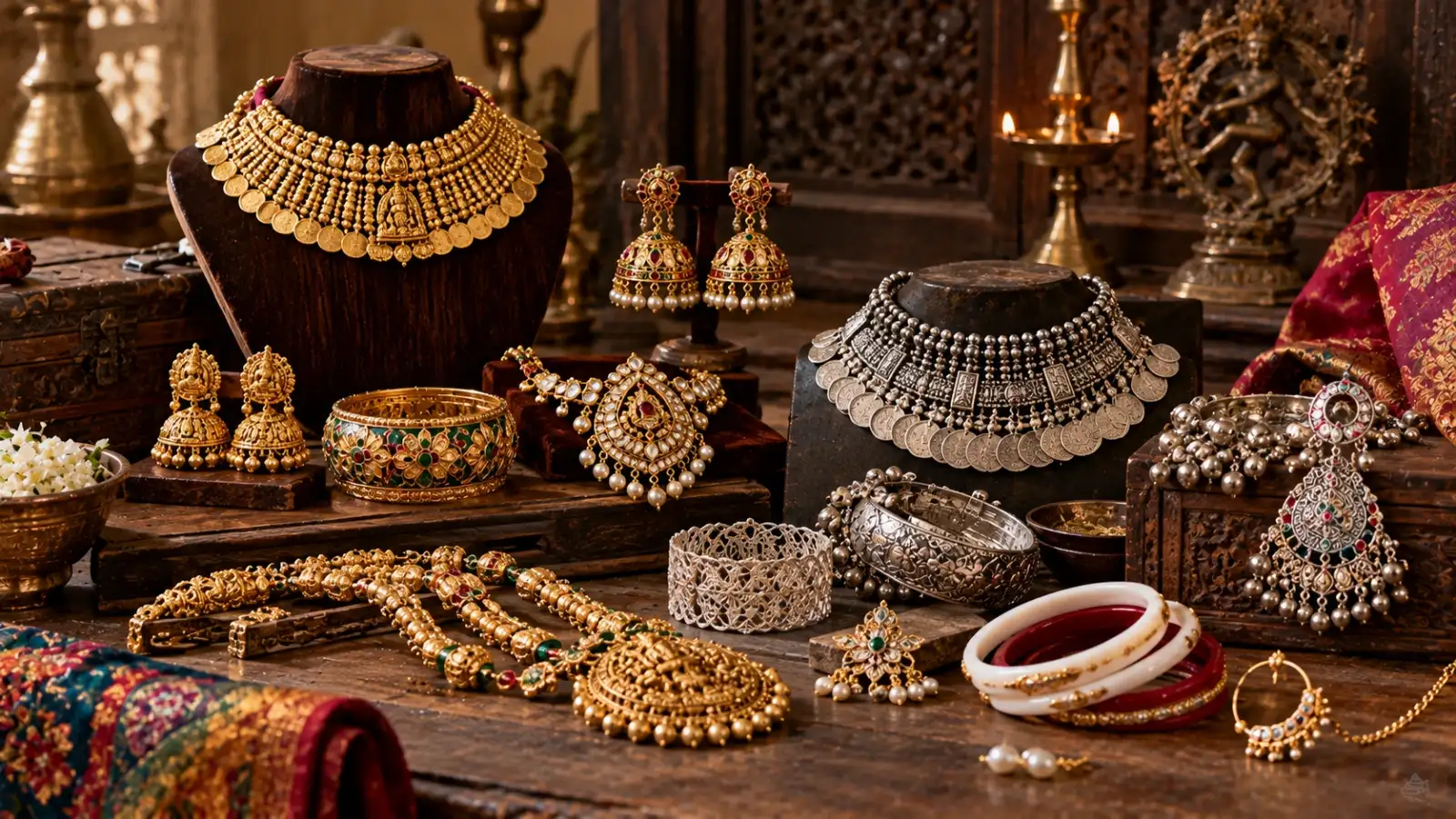
Traditional jewellery has often been passed down through generations, with certain pieces being worn during weddings, festivals, religious ceremonies and important family occasions. The materials, motifs and techniques used in these ornaments reveal how communities lived, what they valued and how they connected with their history.
Kundan jewellery uses carefully set gemstones surrounded by refined gold work. Meenakari involves decorating metal surfaces with colourful enamel, often featuring floral and geometric patterns. Thewa jewellery, traditionally associated with Pratapgarh, combines intricate gold designs with coloured glass.
Silver jewellery is also deeply connected with rural and tribal communities in Rajasthan. Heavy necklaces, bangles, anklets and large earrings have traditionally been worn during festivals, weddings and community celebrations.
These ornaments reflect both the artistic richness of royal Rajasthan and the everyday cultural traditions of its villages.
The famous Kasu Mala consists of a chain decorated with small coin-shaped pendants. Each coin may feature a traditional symbol or image, giving the necklace a distinctive appearance. The Mullamottu Mala, inspired by jasmine buds, is another popular design known for its delicate arrangement of small gold elements.
Kerala jewellery often features floral patterns, leaf motifs and designs inspired by temple art. Gold has also traditionally been viewed as a form of family wealth and financial security, especially in connection with marriage customs.
The popularity of gold jewellery in Kerala therefore reflects both aesthetic preferences and long-standing social and economic traditions.
Historically, such ornaments were associated with temple dancers and performers. Over time, they became closely linked with Bharatanatyam costumes and bridal jewellery.
Traditional temple necklaces, earrings, bangles and waist belts often feature designs inspired by Lakshmi, peacocks, lotuses and other culturally significant motifs. These patterns are not merely decorative. They represent prosperity, beauty, devotion and divine protection.
The craftsmanship of Tamil jewellery also reflects the influence of Chola and other South Indian artistic traditions, where detailed metalwork and sculptural forms played an important role.
Made using closely arranged gold beads, the Thushi necklace has a broad, textured appearance. It is often worn with traditional Maharashtrian attire during weddings and festivals.
The Kolhapuri Saaj is another important piece. It typically features multiple symbolic pendants connected to religious and cultural beliefs. These pendants may represent ideas such as protection, prosperity and good fortune.
The traditional Nath, or nose ring, is also closely associated with Maharashtrian identity. Different communities and regions have developed their own variations, often using pearls, gemstones and distinctive shapes.
Together, these ornaments reflect the influence of Maratha culture and the importance of jewellery in regional dress.
The traditional Punjabi Nath is often worn by brides and may be decorated with pearls or chains that connect it to the ear. Chooda, a set of traditional bridal bangles, holds deep emotional and cultural significance in Punjabi weddings.
Paranda accessories, although primarily associated with braided hair, also reflect the importance of ornamentation in Punjabi attire. Jewellery designs often complement brightly coloured clothing and elaborate embroidery.
Many Punjabi ornaments symbolise prosperity, marital happiness and family blessings. Their use during weddings demonstrates how jewellery can become part of important life-cycle rituals.
Women from different communities have traditionally worn large earrings, layered necklaces, bangles, anklets and decorative hair ornaments. These pieces often feature geometric patterns, bells, floral details and symbolic motifs.
The jewellery of Kutch is especially recognised for its bold forms and intricate craftsmanship. Some designs display influences from neighbouring regions and historic trade routes.
In Gujarat, jewellery has often served both decorative and practical purposes. Certain ornaments were considered family assets that could be passed down or used during difficult financial periods.
The Shakha Pola bangles, made from conch shell and red coral or similar materials, are traditionally associated with married Bengali women. They carry strong cultural meaning and are often worn as symbols of marital status.
Gold ornaments such as the Sita Haar, a long layered necklace, are popular during weddings and festive occasions. Designs may also feature motifs inspired by flowers, leaves and traditional Bengali art.
Bengali jewellery reflects the region’s appreciation for delicate craftsmanship and its deep connection with literature, music, ritual and artistic expression.
Cuttack is especially famous for this craft. Artisans create necklaces, earrings, bangles, brooches and decorative pieces using delicate wirework. Floral patterns, birds, geometric shapes and mythological themes are common.
Tarakasi requires considerable patience and technical skill. The intricate designs reflect Odisha’s long-standing artistic traditions and the importance of craftsmanship in regional culture.
Silver filigree is also connected with festive and ceremonial life in the state. Its delicate appearance demonstrates how even a simple metal can be transformed into an elaborate work of art.
Kashmiri jewellery often includes floral and leaf-inspired designs. These motifs reflect the importance of gardens, mountains, water bodies and natural beauty in the region’s artistic traditions.
Head ornaments and decorative accessories have also formed an important part of traditional Kashmiri clothing. Some designs are associated with specific communities, ceremonies and regional dress styles.
The jewellery of Kashmir demonstrates how local surroundings and cultural identity can influence the shape and symbolism of ornaments.
In Nagaland, Manipur, Assam, Arunachal Pradesh and other northeastern regions, jewellery may form an important part of ceremonial clothing and community identity.
Beaded necklaces, metal ornaments, earrings and decorative headpieces can indicate age, social position, marital status or participation in cultural events. Some designs are also connected with traditional dance, festivals and community ceremonies.
These ornaments highlight the importance of collective identity and the role of jewellery in preserving indigenous artistic practices.
Many traditional motifs have survived because families and artisans continued to pass them from one generation to another. At the same time, contemporary designers are adapting these forms for modern lifestyles by creating lighter ornaments and combining traditional techniques with new materials.
Despite these changes, the cultural value of Indian jewellery remains strong. Every necklace, bangle, nose ring and earring can carry memories of a region, a community or a family tradition.
Indian jewellery is a visual record of the country’s cultural diversity and historical journey. Rajasthan’s colourful enamel work, Kerala’s gold ornaments, Odisha’s silver filigree and Tamil Nadu’s temple jewellery all tell different stories.
These designs reflect regional clothing, religious beliefs, social customs, artistic traditions and local craftsmanship. More than decorative objects, they are cultural expressions that connect the present with the past.
As traditional jewellery continues to evolve, preserving its techniques and stories remains essential. Supporting local artisans and understanding the meaning behind regional ornaments can help ensure that India’s rich jewellery heritage remains alive for future generations.
Traditional jewellery has often been passed down through generations, with certain pieces being worn during weddings, festivals, religious ceremonies and important family occasions. The materials, motifs and techniques used in these ornaments reveal how communities lived, what they valued and how they connected with their history.
1. Rajasthan and the Grandeur of Royal Craftsmanship
Rajasthan is widely known for its elaborate jewellery traditions, shaped by royal courts, desert life and the artistic heritage of communities across the state. Kundan, Meenakari and Thewa are among the best-known techniques associated with the region.Kundan jewellery uses carefully set gemstones surrounded by refined gold work. Meenakari involves decorating metal surfaces with colourful enamel, often featuring floral and geometric patterns. Thewa jewellery, traditionally associated with Pratapgarh, combines intricate gold designs with coloured glass.
Silver jewellery is also deeply connected with rural and tribal communities in Rajasthan. Heavy necklaces, bangles, anklets and large earrings have traditionally been worn during festivals, weddings and community celebrations.
These ornaments reflect both the artistic richness of royal Rajasthan and the everyday cultural traditions of its villages.
2. Kerala and the Importance of Gold Jewellery
Gold jewellery holds a special place in Kerala’s social and cultural life. Traditional designs are often associated with weddings, family ceremonies, temple visits and important milestones.The famous Kasu Mala consists of a chain decorated with small coin-shaped pendants. Each coin may feature a traditional symbol or image, giving the necklace a distinctive appearance. The Mullamottu Mala, inspired by jasmine buds, is another popular design known for its delicate arrangement of small gold elements.
Kerala jewellery often features floral patterns, leaf motifs and designs inspired by temple art. Gold has also traditionally been viewed as a form of family wealth and financial security, especially in connection with marriage customs.
The popularity of gold jewellery in Kerala therefore reflects both aesthetic preferences and long-standing social and economic traditions.
3. Tamil Nadu and the Legacy of Temple Jewellery
Tamil Nadu’s jewellery traditions are strongly connected with temples, classical dance and South Indian religious art. Temple jewellery is particularly recognised for its depictions of deities, flowers, birds and sacred symbols.Historically, such ornaments were associated with temple dancers and performers. Over time, they became closely linked with Bharatanatyam costumes and bridal jewellery.
Traditional temple necklaces, earrings, bangles and waist belts often feature designs inspired by Lakshmi, peacocks, lotuses and other culturally significant motifs. These patterns are not merely decorative. They represent prosperity, beauty, devotion and divine protection.
The craftsmanship of Tamil jewellery also reflects the influence of Chola and other South Indian artistic traditions, where detailed metalwork and sculptural forms played an important role.
4. Maharashtra and the Identity of Traditional Gold Ornaments
Maharashtra has a distinctive jewellery heritage shaped by Maratha history, regional customs and traditional clothing. The Thushi necklace is one of the most recognisable ornaments associated with the state.Made using closely arranged gold beads, the Thushi necklace has a broad, textured appearance. It is often worn with traditional Maharashtrian attire during weddings and festivals.
The Kolhapuri Saaj is another important piece. It typically features multiple symbolic pendants connected to religious and cultural beliefs. These pendants may represent ideas such as protection, prosperity and good fortune.
The traditional Nath, or nose ring, is also closely associated with Maharashtrian identity. Different communities and regions have developed their own variations, often using pearls, gemstones and distinctive shapes.
Together, these ornaments reflect the influence of Maratha culture and the importance of jewellery in regional dress.
5. Punjab and the Jewellery of Celebration
Punjabi jewellery traditions are closely connected with weddings, festivals and vibrant community celebrations. Gold, silver, pearls and colourful gemstones are commonly used in traditional ornaments.The traditional Punjabi Nath is often worn by brides and may be decorated with pearls or chains that connect it to the ear. Chooda, a set of traditional bridal bangles, holds deep emotional and cultural significance in Punjabi weddings.
Paranda accessories, although primarily associated with braided hair, also reflect the importance of ornamentation in Punjabi attire. Jewellery designs often complement brightly coloured clothing and elaborate embroidery.
Many Punjabi ornaments symbolise prosperity, marital happiness and family blessings. Their use during weddings demonstrates how jewellery can become part of important life-cycle rituals.
6. Gujarat and the Beauty of Silver Jewellery
Gujarat is home to a wide range of jewellery traditions influenced by pastoral, tribal, rural and urban communities. Silver jewellery is particularly important in several parts of the state.Women from different communities have traditionally worn large earrings, layered necklaces, bangles, anklets and decorative hair ornaments. These pieces often feature geometric patterns, bells, floral details and symbolic motifs.
The jewellery of Kutch is especially recognised for its bold forms and intricate craftsmanship. Some designs display influences from neighbouring regions and historic trade routes.
In Gujarat, jewellery has often served both decorative and practical purposes. Certain ornaments were considered family assets that could be passed down or used during difficult financial periods.
7. Bengal and the Elegance of Delicate Gold Work
Bengali jewellery is known for its graceful designs, fine detailing and strong connection with weddings and cultural ceremonies. Traditional ornaments often feature floral forms, nature-inspired patterns and intricate gold work.The Shakha Pola bangles, made from conch shell and red coral or similar materials, are traditionally associated with married Bengali women. They carry strong cultural meaning and are often worn as symbols of marital status.
Gold ornaments such as the Sita Haar, a long layered necklace, are popular during weddings and festive occasions. Designs may also feature motifs inspired by flowers, leaves and traditional Bengali art.
Bengali jewellery reflects the region’s appreciation for delicate craftsmanship and its deep connection with literature, music, ritual and artistic expression.
8. Odisha and the Art of Filigree Jewellery
Odisha has a rich jewellery heritage, particularly known for its silver filigree work, locally called Tarakasi. This technique involves shaping thin silver wires into highly detailed patterns.Cuttack is especially famous for this craft. Artisans create necklaces, earrings, bangles, brooches and decorative pieces using delicate wirework. Floral patterns, birds, geometric shapes and mythological themes are common.
Tarakasi requires considerable patience and technical skill. The intricate designs reflect Odisha’s long-standing artistic traditions and the importance of craftsmanship in regional culture.
Silver filigree is also connected with festive and ceremonial life in the state. Its delicate appearance demonstrates how even a simple metal can be transformed into an elaborate work of art.
9. Kashmir and the Influence of Nature
Traditional jewellery from Kashmir reflects the region’s natural landscape, textile traditions and cultural history. Silver ornaments, elaborate earrings, pendants and head accessories have been worn by different communities over generations.Kashmiri jewellery often includes floral and leaf-inspired designs. These motifs reflect the importance of gardens, mountains, water bodies and natural beauty in the region’s artistic traditions.
Head ornaments and decorative accessories have also formed an important part of traditional Kashmiri clothing. Some designs are associated with specific communities, ceremonies and regional dress styles.
The jewellery of Kashmir demonstrates how local surroundings and cultural identity can influence the shape and symbolism of ornaments.
You may also like
- Meet Shankar Baba Papalkar, whose name appears as the father's name on the Aadhaar cards of 123 children
- Pay-slips to change for those earning between ₹15,000 and ₹25,000; find out how your take-home salary will be affected
- Traveling home for Chhath and Diwali just got easier! Railways to run 13 pairs of special trains; check the full list.
- Big news for millions of LPG customers: This gas cylinder rule changes from October 1
- He scored just 52% in Class 10, failed IIT entrance exam 3 times and missed IIM: How Rahul Sinha went on to become an SDM in Bihar at 34
10. Northeast India and Community-Based Jewellery Traditions
The northeastern states of India have diverse jewellery traditions, with designs varying significantly between communities. Materials such as silver, brass, beads, shells, glass, seeds and other locally available elements are used in traditional ornaments.In Nagaland, Manipur, Assam, Arunachal Pradesh and other northeastern regions, jewellery may form an important part of ceremonial clothing and community identity.
Beaded necklaces, metal ornaments, earrings and decorative headpieces can indicate age, social position, marital status or participation in cultural events. Some designs are also connected with traditional dance, festivals and community ceremonies.
These ornaments highlight the importance of collective identity and the role of jewellery in preserving indigenous artistic practices.
Jewellery as a Record of India’s History
Indian jewellery designs reveal the influence of ancient trade routes, royal patronage, religious traditions and cultural exchange. Gold and gemstone jewellery often reflects the wealth and artistic preferences of historic courts, while silver and beadwork can reveal the lifestyle and resources of rural and tribal communities.Many traditional motifs have survived because families and artisans continued to pass them from one generation to another. At the same time, contemporary designers are adapting these forms for modern lifestyles by creating lighter ornaments and combining traditional techniques with new materials.
Despite these changes, the cultural value of Indian jewellery remains strong. Every necklace, bangle, nose ring and earring can carry memories of a region, a community or a family tradition.
Indian jewellery is a visual record of the country’s cultural diversity and historical journey. Rajasthan’s colourful enamel work, Kerala’s gold ornaments, Odisha’s silver filigree and Tamil Nadu’s temple jewellery all tell different stories.
These designs reflect regional clothing, religious beliefs, social customs, artistic traditions and local craftsmanship. More than decorative objects, they are cultural expressions that connect the present with the past.
As traditional jewellery continues to evolve, preserving its techniques and stories remains essential. Supporting local artisans and understanding the meaning behind regional ornaments can help ensure that India’s rich jewellery heritage remains alive for future generations.






Loving Newspoint? Download the app now
