
Sunny Skies to Sudden Rain: Why Weather Changes So Quickly in the Himalayas

The Valley of Flowers in Uttarakhand is famous for its colourful alpine meadows, snow-covered peaks and seasonal wildflowers. But there is another feature that makes this Himalayan destination fascinating: its rapidly changing mountain weather.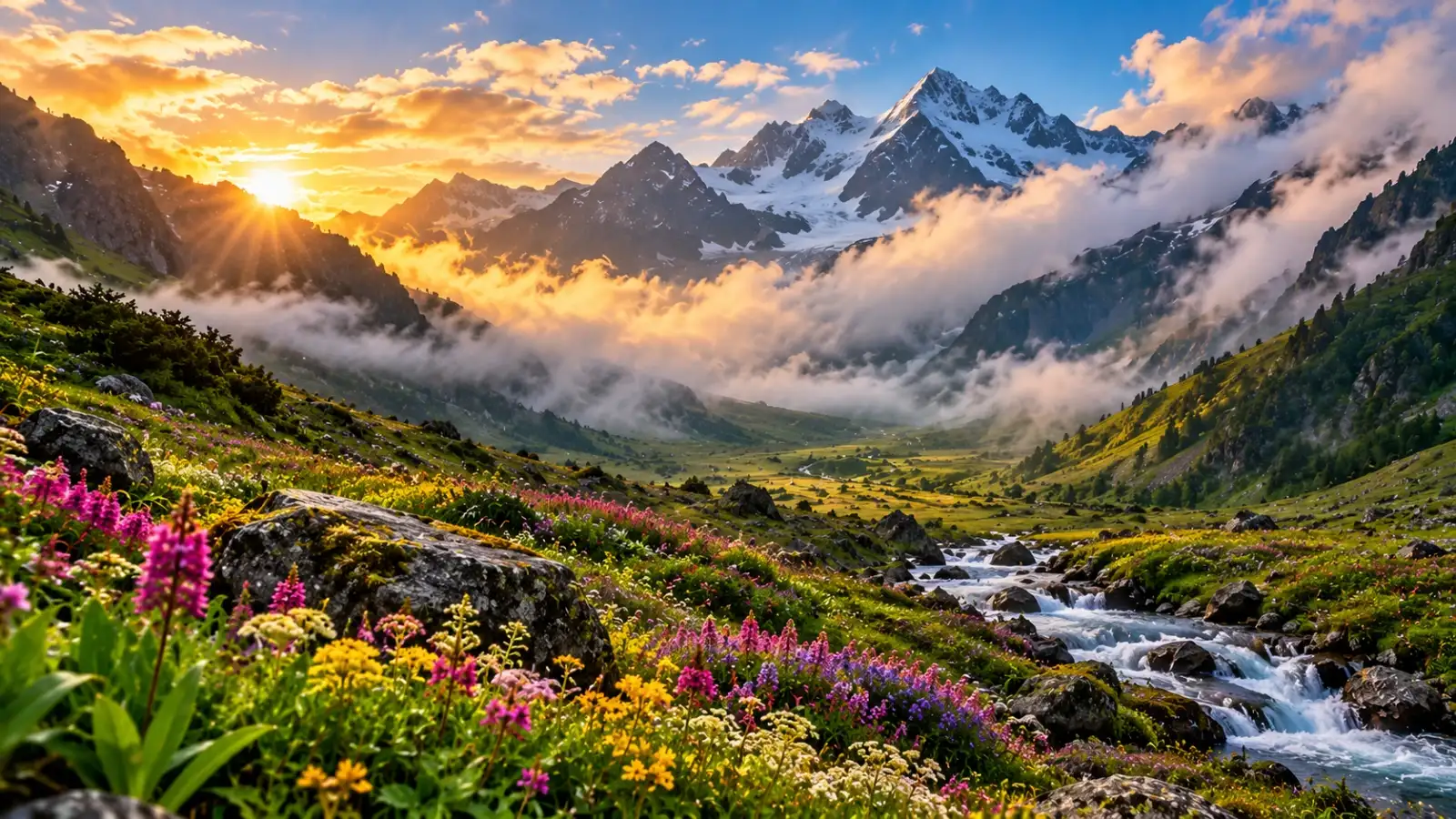
Located in Chamoli district at an altitude of roughly 3,600 metres, the valley can experience sunshine, drifting mist, chilly winds and rain within a relatively short period. Its high elevation and mountainous surroundings create conditions very different from those found in India's plains.
The weather can change so quickly that a landscape visible in the morning may disappear behind clouds later in the day. This unpredictability is part of the mountain environment, but it also means visitors need to prepare carefully.
The valley is generally accessible during the summer and monsoon months, when wildflowers bloom across its meadows. The exact appearance of the landscape varies with rainfall, temperature and the stage of the flowering season.
Reaching the valley involves a trek from the Ghangaria area. The route passes through mountainous terrain, where conditions can differ from those in nearby settlements and lower elevations.
This combination of altitude, steep slopes and changing atmospheric conditions helps explain why the weather deserves as much attention as the scenery.
A sunny afternoon may feel pleasant while the sun is out, but temperatures can drop when clouds block the sunlight or cold winds arrive. Visitors who are comfortable in a T-shirt at a lower altitude may need a warm layer higher up.
The combination of cooler temperatures, exposure and changing cloud cover can make the weather feel as though it has shifted dramatically in a short time.
When moisture-laden air reaches a mountain range, the terrain forces it upwards. As the air rises, it expands and cools. Water vapour can then condense into tiny droplets, forming clouds and potentially producing rain.
Mountain slopes can also direct winds and concentrate clouds in particular areas. As a result, one part of a valley may experience rain or mist while another remains relatively clear.
This is why conditions in the Himalayas cannot always be understood by looking at the forecast for the nearest town alone.
When this happens, visibility can fall quickly. Distant peaks may disappear, and familiar sections of the trail can become harder to recognise.
Mist can also make the surroundings feel colder and dampen clothing and equipment. Even without heavy rainfall, these conditions can make a mountain walk more demanding.
The effect can be especially striking in the Valley of Flowers, where open meadows and steep mountain walls create a landscape that changes dramatically as clouds move through.
A period of light cloud may be followed by a spell of rain, while a nearby location receives much less precipitation. During intense events, heavy rainfall can trigger landslides, sudden rises in streams and dangerous conditions along mountain trails.
Not every sudden shower is a cloudburst. The India Meteorological Department uses the term cloudburst for rainfall of at least 100 millimetres in an hour over a limited area of approximately 20 to 30 square kilometres.
Such extreme events are particularly dangerous in steep mountain terrain, where water can move downhill rapidly.
During the flowering period, visitors may see colourful blooms spread across green slopes, with streams and waterfalls adding to the scenery. The surrounding mountains provide a dramatic backdrop, although clouds can sometimes hide the peaks entirely.
The area is also ecologically important. Its protected status helps conserve distinctive Himalayan plants and wildlife, while its seasonal changes provide a glimpse into the biodiversity of high-altitude environments.
Because the valley is a protected natural area, visitors should stay on designated routes, avoid picking flowers and take all rubbish back with them.
July and August often bring lush greenery and extensive flowering, but they can also bring persistent rain, slippery trails and reduced visibility.
September may offer a different atmosphere as the season progresses, although conditions remain dependent on the weather. A visit outside the peak flowering period may reveal fewer blooms, and access can be affected by seasonal closures.
There is no month that guarantees clear skies throughout the day. Travellers should check current forecasts and official trail information before planning the trek.
For travellers, these conditions create some of the Himalayas' most memorable scenery. They also demand flexibility and preparation. A clear morning should never be treated as a guarantee of a clear afternoon.
Understanding the weather helps visitors enjoy the valley more responsibly while reducing avoidable risks. The best mountain experience is not simply about finding the perfect view. It is also about respecting the environment and knowing when conditions call for caution.
Located in Chamoli district at an altitude of roughly 3,600 metres, the valley can experience sunshine, drifting mist, chilly winds and rain within a relatively short period. Its high elevation and mountainous surroundings create conditions very different from those found in India's plains.
The weather can change so quickly that a landscape visible in the morning may disappear behind clouds later in the day. This unpredictability is part of the mountain environment, but it also means visitors need to prepare carefully.
Where Is the Valley of Flowers Located?
The Valley of Flowers lies in the Garhwal Himalayas of Uttarakhand, within the Nanda Devi Biosphere Reserve. It is part of a protected landscape known for its rich alpine biodiversity, dramatic mountain scenery and seasonal flowering plants.The valley is generally accessible during the summer and monsoon months, when wildflowers bloom across its meadows. The exact appearance of the landscape varies with rainfall, temperature and the stage of the flowering season.
Reaching the valley involves a trek from the Ghangaria area. The route passes through mountainous terrain, where conditions can differ from those in nearby settlements and lower elevations.
This combination of altitude, steep slopes and changing atmospheric conditions helps explain why the weather deserves as much attention as the scenery.
Why Can the Weather Change Within Minutes?
1. High Altitude Makes Conditions Less Predictable
At high elevations, temperatures are generally lower than in the plains. The air is thinner, and conditions can vary significantly between locations at different heights.A sunny afternoon may feel pleasant while the sun is out, but temperatures can drop when clouds block the sunlight or cold winds arrive. Visitors who are comfortable in a T-shirt at a lower altitude may need a warm layer higher up.
The combination of cooler temperatures, exposure and changing cloud cover can make the weather feel as though it has shifted dramatically in a short time.
2. Mountains Force Moist Air to Rise
One major reason for changing weather in the Himalayas is a process known as orographic lifting.When moisture-laden air reaches a mountain range, the terrain forces it upwards. As the air rises, it expands and cools. Water vapour can then condense into tiny droplets, forming clouds and potentially producing rain.
Mountain slopes can also direct winds and concentrate clouds in particular areas. As a result, one part of a valley may experience rain or mist while another remains relatively clear.
This is why conditions in the Himalayas cannot always be understood by looking at the forecast for the nearest town alone.
3. Clouds and Mist Can Move Across the Valley
Clouds do not always remain high above the mountains. Under suitable conditions, mist and low cloud can move into valleys and surround trails, meadows and nearby slopes.When this happens, visibility can fall quickly. Distant peaks may disappear, and familiar sections of the trail can become harder to recognise.
Mist can also make the surroundings feel colder and dampen clothing and equipment. Even without heavy rainfall, these conditions can make a mountain walk more demanding.
The effect can be especially striking in the Valley of Flowers, where open meadows and steep mountain walls create a landscape that changes dramatically as clouds move through.
4. Rainfall Can Develop Rapidly
The Himalayan region receives moisture from seasonal weather systems, including the southwest monsoon. When moist air interacts with steep terrain and unstable atmospheric conditions, rainfall can develop over relatively small areas.A period of light cloud may be followed by a spell of rain, while a nearby location receives much less precipitation. During intense events, heavy rainfall can trigger landslides, sudden rises in streams and dangerous conditions along mountain trails.
Not every sudden shower is a cloudburst. The India Meteorological Department uses the term cloudburst for rainfall of at least 100 millimetres in an hour over a limited area of approximately 20 to 30 square kilometres.
Such extreme events are particularly dangerous in steep mountain terrain, where water can move downhill rapidly.
What Makes the Valley of Flowers Special?
The valley's changing weather is only one part of its appeal. Its alpine meadows support a wide range of flowering plants, with the landscape transforming throughout the accessible season.During the flowering period, visitors may see colourful blooms spread across green slopes, with streams and waterfalls adding to the scenery. The surrounding mountains provide a dramatic backdrop, although clouds can sometimes hide the peaks entirely.
The area is also ecologically important. Its protected status helps conserve distinctive Himalayan plants and wildlife, while its seasonal changes provide a glimpse into the biodiversity of high-altitude environments.
Because the valley is a protected natural area, visitors should stay on designated routes, avoid picking flowers and take all rubbish back with them.
When Is the Best Time to Visit?
The Valley of Flowers is usually visited between June and early October, subject to official access arrangements and local conditions. The main flowering season generally falls during the monsoon months, although the timing and abundance of blooms vary each year.July and August often bring lush greenery and extensive flowering, but they can also bring persistent rain, slippery trails and reduced visibility.
September may offer a different atmosphere as the season progresses, although conditions remain dependent on the weather. A visit outside the peak flowering period may reveal fewer blooms, and access can be affected by seasonal closures.
There is no month that guarantees clear skies throughout the day. Travellers should check current forecasts and official trail information before planning the trek.
How Should Travellers Prepare for Sudden Weather Changes?
The scenery may be inviting, but high-altitude weather requires practical preparation.- Carry a waterproof jacket and a warm insulating layer, even when the morning starts sunny.
- Wear trekking shoes with good grip because rain can make paths slippery.
- Begin the trek early and allow enough time to return before conditions deteriorate.
- Check official weather alerts and local advice before setting out.
- Carry drinking water, snacks and a charged phone, while recognising that mobile connectivity may be limited.
- Follow instructions from forest staff and local authorities, especially during heavy rain or poor visibility.
- Never attempt to cross swollen streams or continue towards exposed areas during thunderstorms.
- Avoid camping or staying overnight inside the protected valley where it is not permitted.
Why Mountain Weather Should Never Be Underestimated
The Valley of Flowers demonstrates how dramatically geography can influence local weather. High elevation, steep mountain slopes, moisture-bearing winds and moving clouds can combine to produce rapid changes in temperature, visibility and rainfall.For travellers, these conditions create some of the Himalayas' most memorable scenery. They also demand flexibility and preparation. A clear morning should never be treated as a guarantee of a clear afternoon.
Understanding the weather helps visitors enjoy the valley more responsibly while reducing avoidable risks. The best mountain experience is not simply about finding the perfect view. It is also about respecting the environment and knowing when conditions call for caution.






Loving Newspoint? Download the app now
