
India's Historic Monuments: Travel Destinations That Bring the Past to Life

India's historic monuments are more than architectural landmarks. They are windows into the country's rich past, reflecting centuries of changing kingdoms, artistic traditions, cultural influences and remarkable craftsmanship. From magnificent Mughal tombs and imposing forts to ancient temples and rock-cut caves, these destinations offer travellers an experience that goes beyond ordinary sightseeing.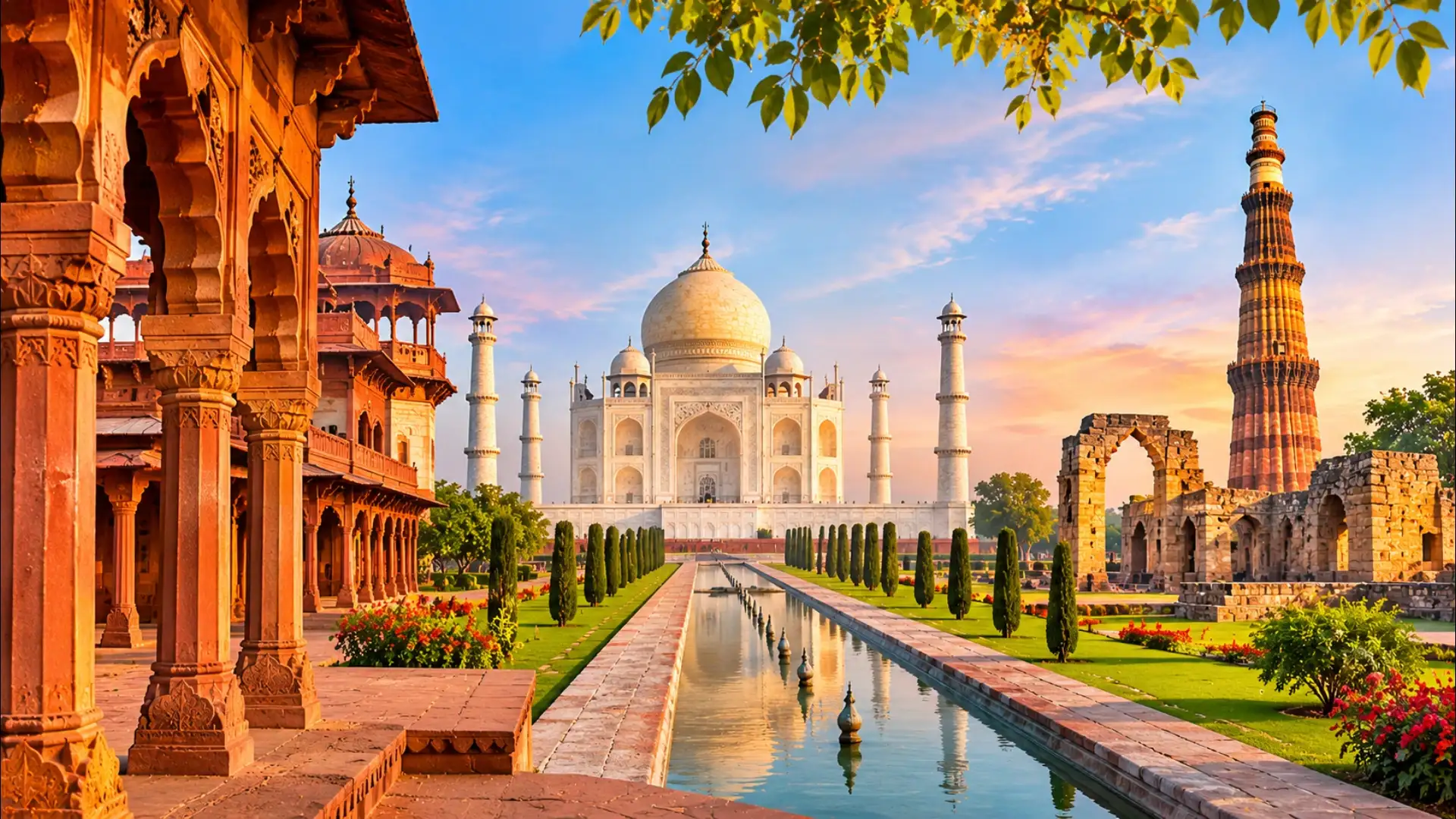
Exploring these places allows visitors to understand India's diverse heritage while discovering beautiful landscapes, local traditions and fascinating stories. Whether travelling alone, with family or with friends, a heritage trip can offer a memorable combination of history, architecture, photography and cultural exploration.
Many monuments are also located near traditional markets, local food destinations and other attractions, making it easier to plan a complete holiday. Responsible tourism, including respecting site rules and avoiding damage to historic structures, helps preserve these places for future generations.
Exploring these places allows visitors to understand India's diverse heritage while discovering beautiful landscapes, local traditions and fascinating stories. Whether travelling alone, with family or with friends, a heritage trip can offer a memorable combination of history, architecture, photography and cultural exploration.
1. Taj Mahal , Agra
The Taj Mahal is among India's most celebrated monuments and a UNESCO World Heritage Site. Built by Mughal emperor Shah Jahan, this white marble mausoleum is admired for its symmetry, intricate inlay work and beautiful gardens. Its architectural beauty makes Agra an essential destination for history and architecture enthusiasts.2. Hampi , Karnataka
Hampi takes visitors into the fascinating world of the Vijayanagara Empire. Its enormous boulders, ancient temples, stone chariots and palace ruins create a distinctive historical landscape. The Virupaksha Temple and Vittala Temple complex are among its major attractions.3. Red Fort , Delhi
The Red Fort represents an important chapter in India's Mughal history. Built by Shah Jahan, the impressive sandstone complex features grand gateways, palaces and courtyards. Visitors can explore its architecture and museums while learning about the country's historical journey.4. Konark Sun Temple, Odisha
The Konark Sun Temple is famous for its remarkable stone architecture, designed in the form of a giant chariot dedicated to the Sun God. Its intricately carved wheels, pillars and sculptures showcase the artistic achievements of medieval India.5. Amer Fort, Jaipur
Located near Jaipur, Amer Fort attracts visitors with its grand courtyards, decorated halls, mirror work and hilltop setting. The combination of Rajput and Mughal architectural influences makes it an interesting destination for travellers exploring Rajasthan's royal heritage.6. Ajanta and Ellora Caves, Maharashtra
These remarkable cave complexes offer a glimpse into India's ancient artistic and religious traditions. Ajanta is particularly known for its Buddhist paintings and sculptures, while Ellora features Buddhist, Hindu and Jain monuments carved into rock.Why Historical Monuments Make Great Travel Destinations
Indian monuments offer something for different kinds of travellers. History enthusiasts can explore their past, photographers can capture intricate architecture, and families can introduce children to India's cultural heritage.Many monuments are also located near traditional markets, local food destinations and other attractions, making it easier to plan a complete holiday. Responsible tourism, including respecting site rules and avoiding damage to historic structures, helps preserve these places for future generations.
A Journey Worth Experiencing
From the marble elegance of the Taj Mahal to the ancient ruins of Hampi, India's monuments offer countless opportunities to explore the country's identity and history. They are not simply places to photograph but destinations where architecture, culture and heritage come together. For anyone planning a meaningful holiday, exploring India's historic monuments can be a rewarding travel experience.Next Story