
Indoor Cat Play Routine: How to Keep Your Pet Active With Short Daily Sessions

Indoor cats need opportunities to stalk, chase, pounce and investigate, even when they have no access to a garden. A predictable play routine can help provide these outlets while giving owners a simple way to spend focused time with their pets.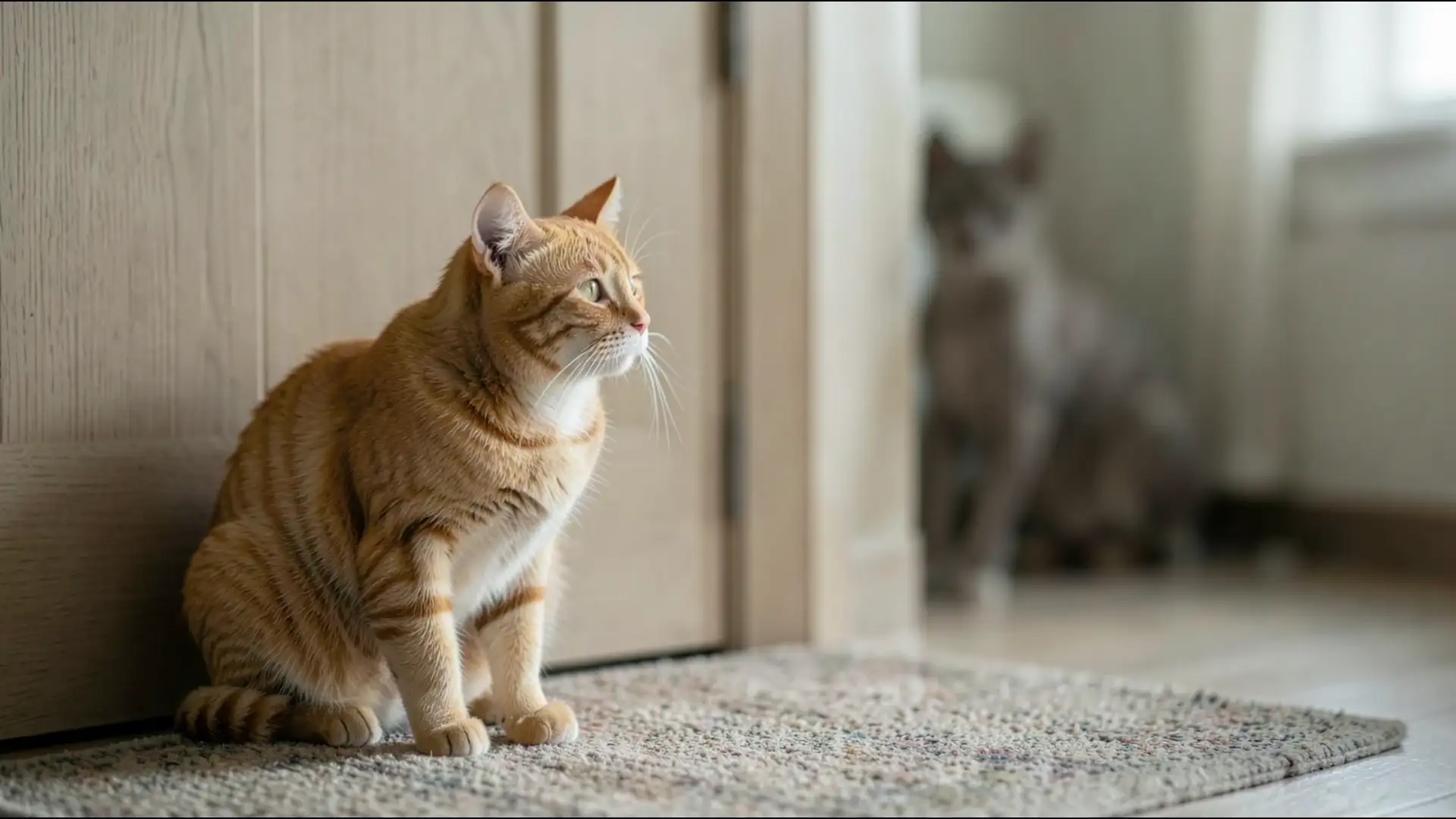
Not every cat enjoys the same toy or pace. Some prefer a feather wand that moves like a bird, while others chase a soft object along the floor. Watch the cat's response, allow pauses and finish with a small meal or treat when appropriate. Keep each session short, and let the cat decide when it has had enough play.
Soft balls, lightweight kick toys and simple tunnels can offer variety. Check toys for loose threads, small detachable parts, sharp edges or damaged elastic. Put string, ribbon and wand toys away after play; if swallowed, string-like material can cause a serious intestinal emergency.
Do not use hands or feet as moving targets. It may seem harmless with a kitten, but the habit can become painful as the cat grows. If biting or scratching occurs, stop moving, end the interaction calmly and redirect future play towards a suitable toy.
If you use a laser toy, finish by directing the cat towards a physical toy or a small food reward it can catch. A light that can never be caught may leave some cats frustrated. Never shine a laser into the animal's eyes.
Not every cat enjoys the same toy or pace. Some prefer a feather wand that moves like a bird, while others chase a soft object along the floor. Watch the cat's response, allow pauses and finish with a small meal or treat when appropriate. Keep each session short, and let the cat decide when it has had enough play.
Choose toys that move safely
A wand toy with a securely attached fabric lure is useful for interactive play. Move it along the floor, behind a cushion or around a corner, allowing the cat to stalk before making a short chase. Avoid waving it directly at the cat's face. Let the animal catch the lure regularly so the game feels rewarding rather than impossible.Soft balls, lightweight kick toys and simple tunnels can offer variety. Check toys for loose threads, small detachable parts, sharp edges or damaged elastic. Put string, ribbon and wand toys away after play; if swallowed, string-like material can cause a serious intestinal emergency.
Follow the cat's pace
Watch for flattened ears, a twitching tail, repeated turning away or sudden attempts to hide. These can indicate that the session is no longer enjoyable.Do not use hands or feet as moving targets. It may seem harmless with a kitten, but the habit can become painful as the cat grows. If biting or scratching occurs, stop moving, end the interaction calmly and redirect future play towards a suitable toy.
Build a useful daily pattern
Many cats are most interested in activity around dawn and dusk. A short session before a meal can suit their natural pattern of hunting, eating and resting. Finish by allowing the cat to catch the toy, then offer part of its regular meal rather than adding unlimited treats.If you use a laser toy, finish by directing the cat towards a physical toy or a small food reward it can catch. A light that can never be caught may leave some cats frustrated. Never shine a laser into the animal's eyes.
Keep play part of a wider routine
Provide places to climb, look outside safely, scratch and rest. Play is one part of a stimulating home, not the whole solution. If a cat suddenly becomes less active, avoids jumping or reacts painfully to movement, arrange a veterinary check rather than assuming it has become lazy.Next Story