
Do Indoor Cats Live Happier Lives? What Research Shows

The debate around indoor cats vs outdoor cats has long divided pet owners. While it is well established that indoor cats live longer , many people still question whether safety comes at the cost of happiness. Are indoor cats truly content, or are they missing out on a more natural life outside?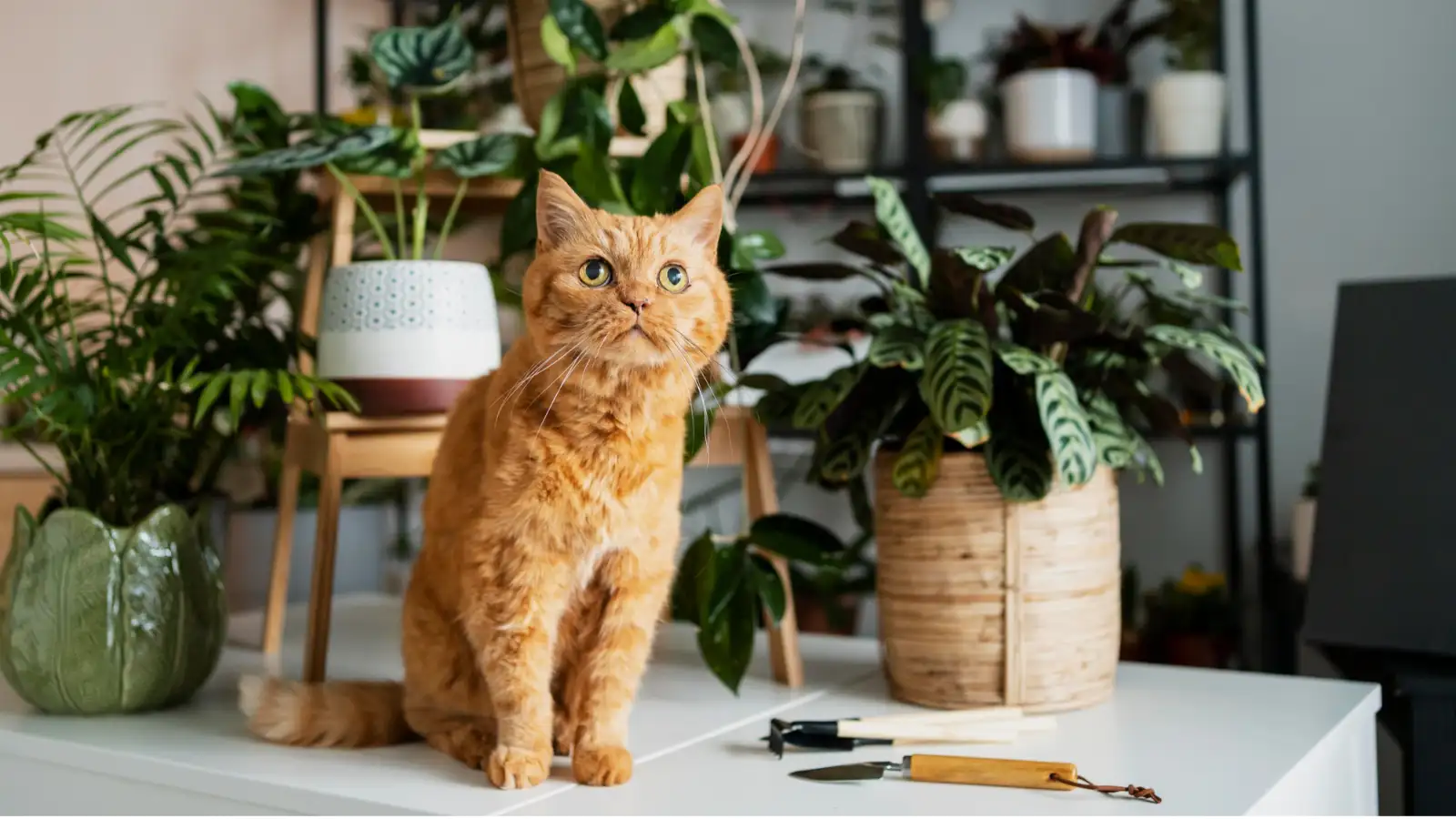
In fact, veterinarians often report that well-cared-for indoor cats can live nearly twice as long as outdoor cats. This is one of the strongest arguments in favour of keeping cats inside.
Read More: How To Travel With A Cat Without Stress Using Smart, Pet-Friendly Habits
A happy indoor cat is one that has opportunities to hunt, climb, explore, and play. Without stimulation, cats may develop stress behaviours such as overgrooming, aggression, or excessive vocalisation.
Studies show that cats engaging in daily play and mental stimulation exhibit lower stress levels and improved overall wellbeing. In other words, a well-designed indoor environment can replicate many aspects of outdoor life safely.
However, each cat has a unique personality. Some adapt easily to indoor life, while others may need more stimulation or even a safe outdoor enclosure, such as a “catio,” to satisfy their curiosity.
Pet owners should focus on enrichment, routine, and emotional engagement to ensure their indoor cat wellbeing is fully supported.
So, are indoor cats happy? Science suggests they absolutely can be provided their environment is thoughtfully designed. Longevity is a clear benefit of indoor living, but happiness depends on stimulation, interaction, and care. With the right approach, indoor cats enjoy both a longer and fulfilling life.
Why Indoor Cats Live Longer
Scientific studies consistently show that keeping cats indoors significantly increases their lifespan. Indoor cats are protected from traffic accidents, territorial fights, parasites, poisoning, and infectious diseases such as feline leukaemia and FIV. This controlled environment reduces major risks, making indoor cat care one of the most effective ways to ensure longevity.In fact, veterinarians often report that well-cared-for indoor cats can live nearly twice as long as outdoor cats. This is one of the strongest arguments in favour of keeping cats inside.
Read More: How To Travel With A Cat Without Stress Using Smart, Pet-Friendly Habits
But Are Indoor Cats Happy ?
The question of feline happiness is more complex. Cats are naturally curious and territorial animals, so restricting outdoor access can sometimes lead to boredom or frustration. However, research in animal behaviour suggests that indoor cats can be just as happy as outdoor cats if their environment is properly enriched.A happy indoor cat is one that has opportunities to hunt, climb, explore, and play. Without stimulation, cats may develop stress behaviours such as overgrooming, aggression, or excessive vocalisation.
The Science of Cat Enrichment
Experts in feline behaviour emphasise the importance of environmental enrichment for indoor cats. This includes interactive toys, scratching posts, climbing trees, puzzle feeders, and regular play sessions with owners. These activities mimic natural hunting instincts and keep both body and mind active.Studies show that cats engaging in daily play and mental stimulation exhibit lower stress levels and improved overall wellbeing. In other words, a well-designed indoor environment can replicate many aspects of outdoor life safely.
Social and Emotional Wellbeing
Contrary to popular belief, cats are not purely solitary creatures. Many indoor cats form strong emotional bonds with their owners. Regular interaction, affection, and routine feeding schedules contribute significantly to indoor cat happiness .However, each cat has a unique personality. Some adapt easily to indoor life, while others may need more stimulation or even a safe outdoor enclosure, such as a “catio,” to satisfy their curiosity.
Finding the Balance
The key takeaway from scientific research is balance. While indoor cats live longer and safer lives, their happiness depends on how well their environment meets their instincts. A dull indoor space can lead to frustration, but a stimulating one can create a fulfilling life.Pet owners should focus on enrichment, routine, and emotional engagement to ensure their indoor cat wellbeing is fully supported.
So, are indoor cats happy? Science suggests they absolutely can be provided their environment is thoughtfully designed. Longevity is a clear benefit of indoor living, but happiness depends on stimulation, interaction, and care. With the right approach, indoor cats enjoy both a longer and fulfilling life.
Next Story