
Indoor Cats vs Indie Cats: Which Cat Is Truly Better for Apartment Living?

When it comes to Indoor Cats vs Indie Cats , the decision often feels emotional. A pedigree indoor cat may seem comforting and familiar, while adopting an indie cat feels compassionate and meaningful.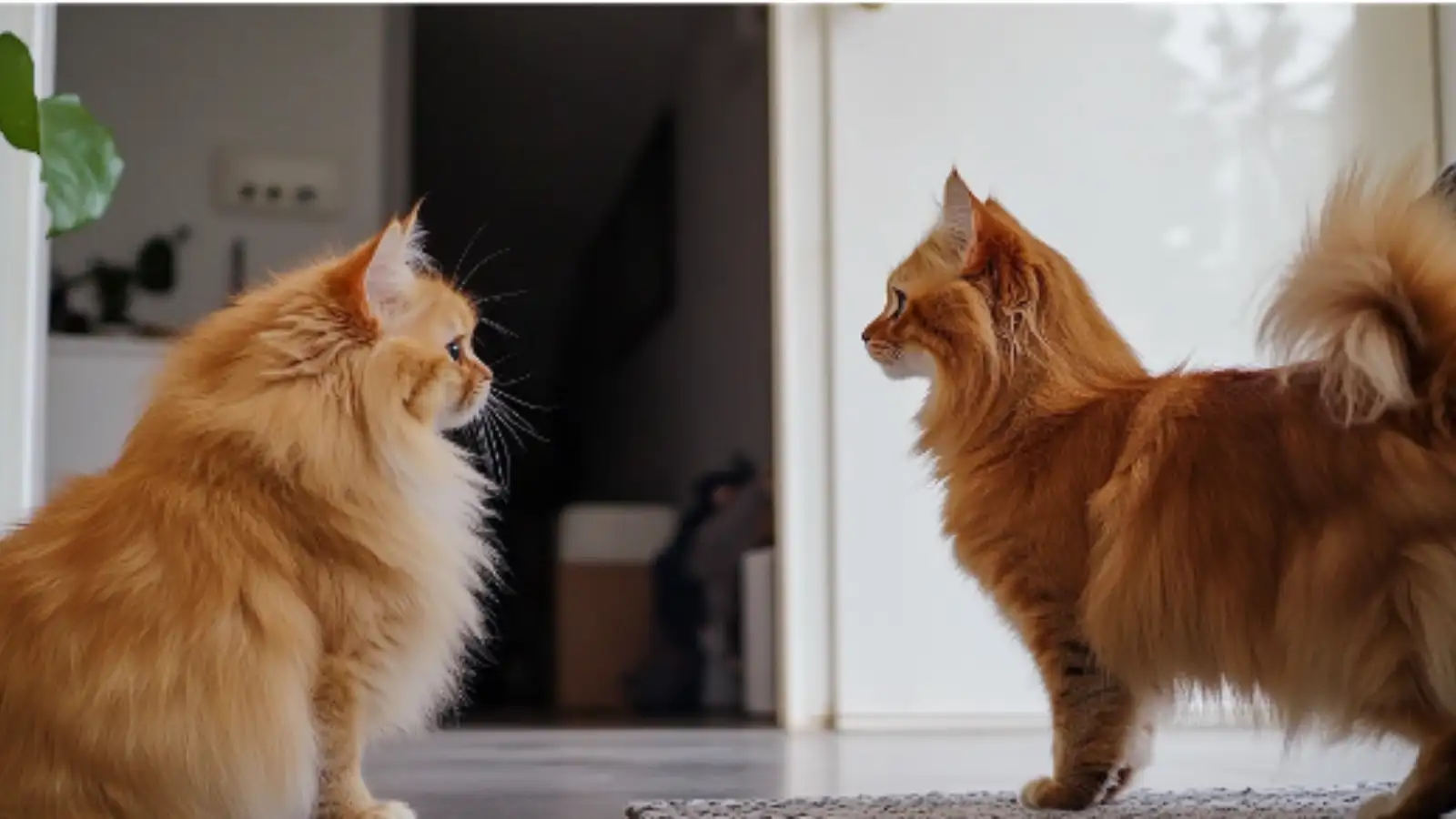
But once the cat begins living inside your apartment, the real question emerges: Does this cat’s nature actually match the life you can provide?
Apartments are enclosed, structured environments. They limit movement, reduce stimulation, and create a controlled world. And not every cat experiences that world in the same way.
Apartment Living Through a Cat’s Eyes
Flats and high-rise homes offer safety and comfort, but they also restrict natural behaviours like roaming, climbing freely, and hunting. A smaller space means less spontaneous stimulation.
Some cats adapt quickly and appear content. Others adjust outwardly but struggle silently with monotony. Understanding their background helps predict how they might respond.
Indoor Cats in Apartments: Smooth Start, Subtle Gaps
Indoor cats - especially pedigree breeds raised in breeder homes or sheltered spaces - are already accustomed to boundaries. Closed doors, fixed routines, and scheduled feeding feel normal to them.
They often settle into apartment life without drama. Window watching becomes their entertainment. Human interaction becomes their primary stimulation.
However, adjustment does not always mean fulfilment.
Over time, some owners notice small but telling changes: the cat sleeps excessively, becomes irritable during play, or starts grooming obsessively. These behaviours are often signs of boredom rather than illness.
Veterinary behaviour experts frequently emphasise that a lack of environmental enrichment can gradually lead to stress-related habits, even when the cat appears physically healthy.
To help an indoor cat truly thrive in an apartment, intentional stimulation is important. Simple additions like vertical climbing spaces, interactive play sessions, and rotating toys can make a significant difference. Without variation, apartment life can become repetitive and dull.
Indie Cats in Apartments: Adaptable and Self-Sufficient
Indie cats, often raised in open streets or unpredictable environments, bring a different temperament. They are used to noise, movement, and uncertainty.
When they enter an apartment, many do not expect constant engagement. Instead, they observe, explore cautiously, and slowly build trust. Their independence can sometimes be mistaken for distance, but it is usually part of their adjustment process.
In the early days, an indie cat may linger near doors or windows. This does not automatically mean dissatisfaction. It reflects instinct recalibrating to a new, enclosed world.
Once settled, many indie cats quietly integrate into the household. They tend to find their own corner, create their own routine, and coexist without demanding continuous attention.
Diet and Activity: A Common Apartment Reality
Regardless of whether you choose an indoor cat or an indie cat, apartment living reduces natural physical activity. With less running and climbing, calorie burn decreases.
Indoor cats may gain weight quickly if feeding portions are not monitored. Indie cats, though often lean at first, can also become sedentary once they adapt to regular meals.
In apartment settings, feeding is not just about nutrition - it becomes part of lifestyle management. Balanced portions and light daily play are essential for maintaining healthy weight and energy levels.
Emotional Sensitivity and Household Dynamics
Indoor cats often synchronise closely with their human families. Changes in routine, long absences, or a tense home environment can affect them quickly.
Indie cats, having experienced unpredictability earlier in life, may tolerate fluctuations better. They are generally less dependent on reassurance and may cope more calmly with a busy household.
Many apartment families who adopt indie cats eventually observe that the cat blends into the rhythm of the home without constantly seeking validation.
Indoor Cats vs Indie Cats: Which One Suits You?
There is no universally “better” choice. The right fit depends on your daily life.
Choose an indoor cat if you spend considerable time at home and enjoy interactive bonding. Choose an indie cat if your schedule is unpredictable and you prefer a companion who values independence.
In a compact apartment, honesty about your routine matters more than emotion. The goal is not to choose the “better” cat - it is to choose the one whose temperament aligns naturally with your lifestyle.
Because in the end, the real answer to Indoor Cats vs Indie Cats lies not in the breed or background, but in compatibility.
But once the cat begins living inside your apartment, the real question emerges: Does this cat’s nature actually match the life you can provide?
Apartments are enclosed, structured environments. They limit movement, reduce stimulation, and create a controlled world. And not every cat experiences that world in the same way.
Apartment Living Through a Cat’s Eyes
Flats and high-rise homes offer safety and comfort, but they also restrict natural behaviours like roaming, climbing freely, and hunting. A smaller space means less spontaneous stimulation.
Some cats adapt quickly and appear content. Others adjust outwardly but struggle silently with monotony. Understanding their background helps predict how they might respond.
Indoor Cats in Apartments: Smooth Start, Subtle Gaps
Indoor cats - especially pedigree breeds raised in breeder homes or sheltered spaces - are already accustomed to boundaries. Closed doors, fixed routines, and scheduled feeding feel normal to them.
They often settle into apartment life without drama. Window watching becomes their entertainment. Human interaction becomes their primary stimulation.
However, adjustment does not always mean fulfilment.
Over time, some owners notice small but telling changes: the cat sleeps excessively, becomes irritable during play, or starts grooming obsessively. These behaviours are often signs of boredom rather than illness.
Veterinary behaviour experts frequently emphasise that a lack of environmental enrichment can gradually lead to stress-related habits, even when the cat appears physically healthy.
To help an indoor cat truly thrive in an apartment, intentional stimulation is important. Simple additions like vertical climbing spaces, interactive play sessions, and rotating toys can make a significant difference. Without variation, apartment life can become repetitive and dull.
Indie Cats in Apartments: Adaptable and Self-Sufficient
Indie cats, often raised in open streets or unpredictable environments, bring a different temperament. They are used to noise, movement, and uncertainty.
When they enter an apartment, many do not expect constant engagement. Instead, they observe, explore cautiously, and slowly build trust. Their independence can sometimes be mistaken for distance, but it is usually part of their adjustment process.
In the early days, an indie cat may linger near doors or windows. This does not automatically mean dissatisfaction. It reflects instinct recalibrating to a new, enclosed world.
Once settled, many indie cats quietly integrate into the household. They tend to find their own corner, create their own routine, and coexist without demanding continuous attention.
Diet and Activity: A Common Apartment Reality
Regardless of whether you choose an indoor cat or an indie cat, apartment living reduces natural physical activity. With less running and climbing, calorie burn decreases.
Indoor cats may gain weight quickly if feeding portions are not monitored. Indie cats, though often lean at first, can also become sedentary once they adapt to regular meals.
In apartment settings, feeding is not just about nutrition - it becomes part of lifestyle management. Balanced portions and light daily play are essential for maintaining healthy weight and energy levels.
Emotional Sensitivity and Household Dynamics
Indoor cats often synchronise closely with their human families. Changes in routine, long absences, or a tense home environment can affect them quickly.
Indie cats, having experienced unpredictability earlier in life, may tolerate fluctuations better. They are generally less dependent on reassurance and may cope more calmly with a busy household.
Many apartment families who adopt indie cats eventually observe that the cat blends into the rhythm of the home without constantly seeking validation.
Indoor Cats vs Indie Cats: Which One Suits You?
There is no universally “better” choice. The right fit depends on your daily life.
Choose an indoor cat if you spend considerable time at home and enjoy interactive bonding. Choose an indie cat if your schedule is unpredictable and you prefer a companion who values independence.
In a compact apartment, honesty about your routine matters more than emotion. The goal is not to choose the “better” cat - it is to choose the one whose temperament aligns naturally with your lifestyle.
Because in the end, the real answer to Indoor Cats vs Indie Cats lies not in the breed or background, but in compatibility.
Next Story