
Indoor Enrichment for Dogs: Simple Games to Keep Pets Engaged at Home

Dogs need more than food, water and a comfortable place to sleep. Opportunities to sniff, explore, learn and interact with people can add variety to their day. When weather, scheduling or other practical issues limit outdoor activities, simple indoor games can help provide additional mental stimulation.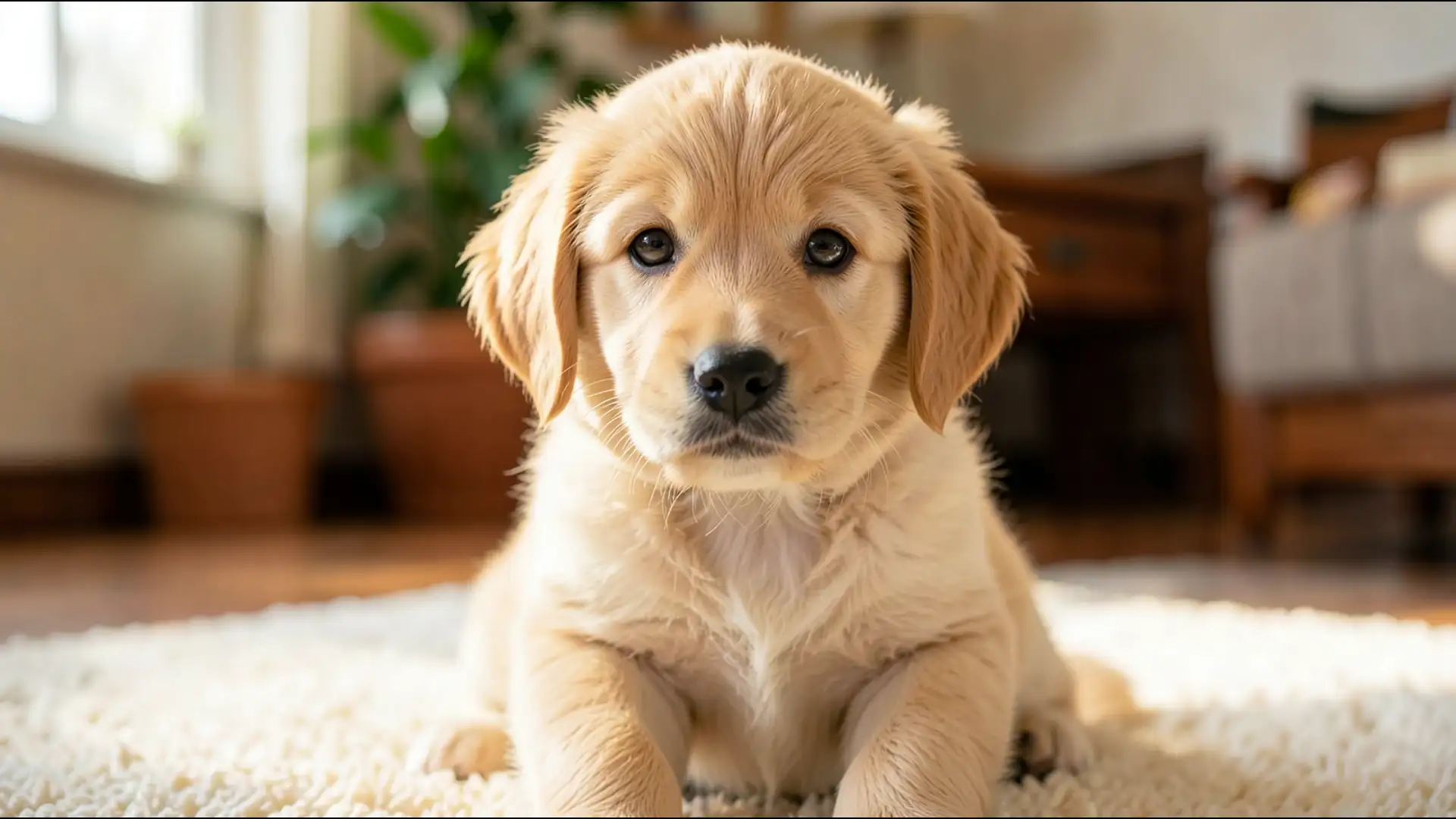
Enrichment should suit the individual dog rather than follow a rigid routine. Puppies, older dogs and pets with mobility concerns may need different activities, and no indoor game replaces appropriate exercise or social contact. Start with short sessions, observe your dog's response and stop if the activity causes frustration or excessive excitement.
Use only safe locations and avoid places where your pet could become trapped, chew electrical cables or reach unsuitable objects. As the dog becomes familiar with the game, vary the hiding spots gradually.
You can also scatter a small portion of dry food across a clean, safe surface for a supervised sniffing activity. Adjust the day's food allowance so treats and puzzle rewards do not become excessive extras.
Reward-based training helps make learning a positive experience. Avoid frightening methods or punishment, particularly when the dog appears confused. If a behaviour problem persists, seek guidance from a qualified trainer or veterinary professional.
Choose activities that match the dog's preferences. Some enjoy searching for food, while others prefer gentle tug games or learning new cues. Avoid games that encourage unsafe jumping or collisions in small rooms, especially on slippery floors.
Indoor enrichment works best alongside suitable walks, social interaction and routine veterinary care. A few thoughtful sessions each day can make time at home more engaging without turning the living room into an obstacle course.
Enrichment should suit the individual dog rather than follow a rigid routine. Puppies, older dogs and pets with mobility concerns may need different activities, and no indoor game replaces appropriate exercise or social contact. Start with short sessions, observe your dog's response and stop if the activity causes frustration or excessive excitement.
Try a simple scent game
Hide a few pieces of your dog's usual food in easy-to-find places around one room. Encourage the dog to search while you supervise, making the first round straightforward enough to build confidence.Use only safe locations and avoid places where your pet could become trapped, chew electrical cables or reach unsuitable objects. As the dog becomes familiar with the game, vary the hiding spots gradually.
Introduce a food puzzle
A suitable food puzzle can encourage a dog to work for part of its regular meal. Choose a product designed for the dog's size and chewing habits, and supervise the first few attempts to make sure it is used safely.You may also like
- Meet Soumyashree Thanapati, the Class 10 girl from Odisha who beat 33 rivals at a national science seminar, won Rs 48,000 and ended a 13-year wait
- Understanding the Tradition of Lighting Lamps During Diwali
- Understanding Ahoi Ashtami: Significance and Rituals
- Understanding the Significance of Dhanteras: Traditions and Celebrations
- Ahoi Ashtami 2026: Who is Ahoi Mata, and why is this fast observed for the long life of one's children?
You can also scatter a small portion of dry food across a clean, safe surface for a supervised sniffing activity. Adjust the day's food allowance so treats and puzzle rewards do not become excessive extras.
Practise short training sessions
Basic cues such as sit, stay or coming when called can be practised indoors using small rewards. Keep sessions brief and finish on a successful repetition rather than continuing until the dog loses interest.Reward-based training helps make learning a positive experience. Avoid frightening methods or punishment, particularly when the dog appears confused. If a behaviour problem persists, seek guidance from a qualified trainer or veterinary professional.
Rotate toys and activities
Dogs may lose interest when every toy is always available. Put some safe toys away and rotate them periodically, checking each item for damage before use.Choose activities that match the dog's preferences. Some enjoy searching for food, while others prefer gentle tug games or learning new cues. Avoid games that encourage unsafe jumping or collisions in small rooms, especially on slippery floors.
Keep safety part of the routine
Supervise play, remove damaged toys and prevent access to small objects that could be swallowed. Give your dog access to fresh water and a comfortable resting place between activities.Indoor enrichment works best alongside suitable walks, social interaction and routine veterinary care. A few thoughtful sessions each day can make time at home more engaging without turning the living room into an obstacle course.






Loving Newspoint? Download the app now
