
Indoor Games for Dogs: Simple Ways to Keep Your Pet Engaged at Home

Keeping a dog engaged at home does not always require expensive toys or complicated training equipment. Everyday household objects can be used to create simple games that encourage sniffing, exploration and problem-solving.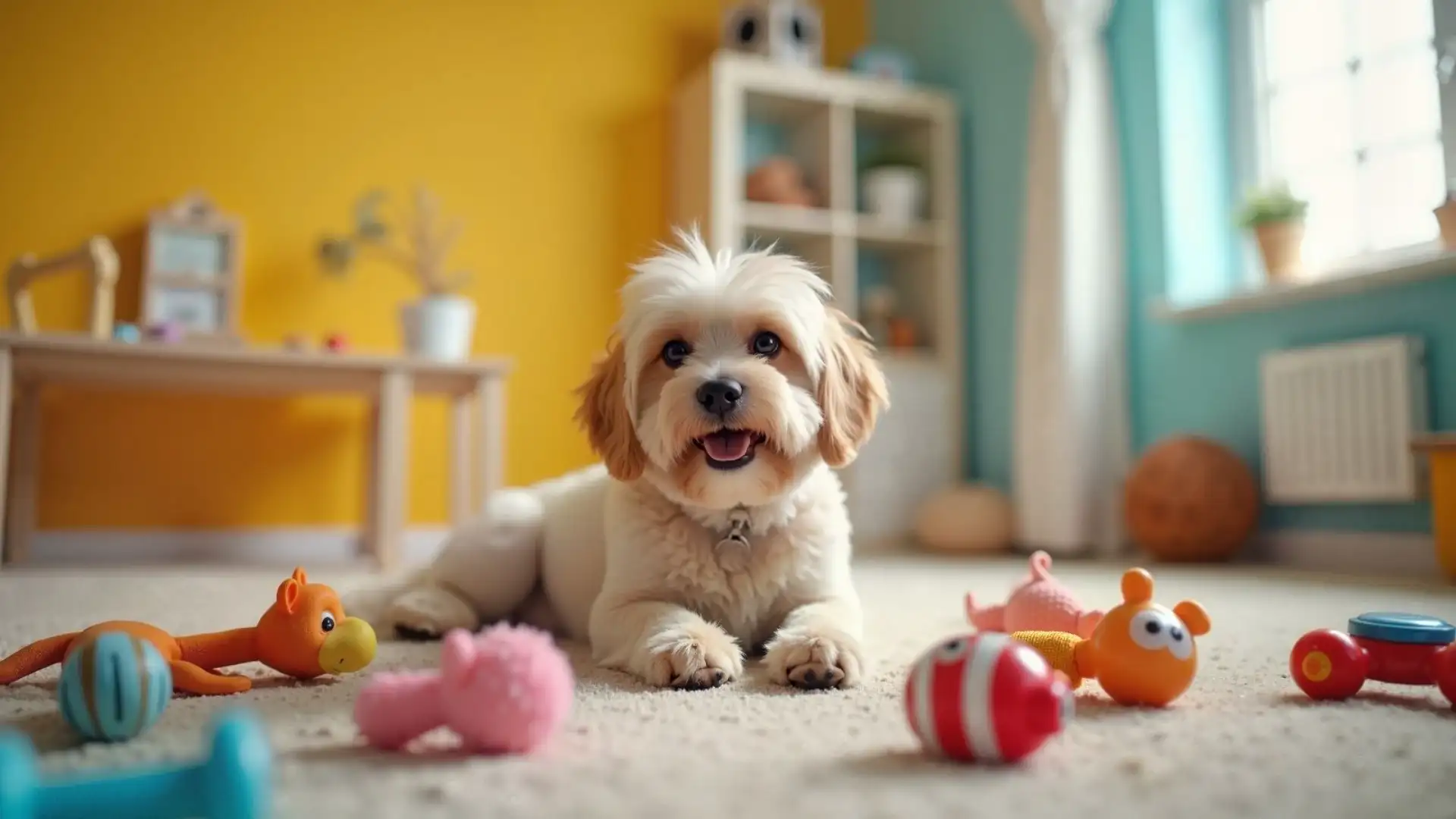
Indoor activities are particularly useful on very hot afternoons, rainy days or when outdoor plans are limited. They are not a replacement for regular walks and exercise, but they can add variety to a dog's daily routine.
Take a few pieces of your dog's regular food or suitable treats and hide them in easy-to-find places around one room.
Start with visible locations, such as beside a chair or near a familiar toy. Encourage your dog to search and reward it when it finds each item.
Once your pet understands the game, you can make the hiding places slightly more challenging.
Do not hide food in areas where your dog could reach household chemicals, electrical cables or small objects that may be swallowed.
Fold the towel loosely so your dog has to use its nose to locate the food. You can make the folds slightly more complicated once your pet becomes familiar with the activity.
Supervise the game throughout. Remove the towel if your dog starts chewing or swallowing the fabric rather than searching for the treats.
Your dog can explore the puzzle by moving the covers to reach the treats.
Choose objects that are large enough not to be swallowed and do not use anything that could break into sharp pieces.
Start with simple behaviours such as sitting on cue, touching your hand with the nose or moving to a designated mat.
Keep each session brief and use rewards that suit your dog's daily food plan. The short training sessions of around five to ten minutes to keep the activity enjoyable.
Avoid expecting a new behaviour to be learnt in one session. Repetition and patience are more useful than long training periods.
Encourage your dog to walk around objects, step over a low barrier or move through a suitable open tunnel.
Set up the activity on a non-slip floor and avoid high jumps or unstable furniture. Adjust the course according to your dog's size, age and ability.
The aim is gentle exploration, not speed or difficult physical challenges.
Keep a few toys in use and store the others. Change the selection every few days, allowing familiar objects to become interesting again when reintroduced.
Check toys regularly for broken edges, loose parts or damaged material. Choose options appropriate for your dog's size and chewing habits.
Supervise new activities and stop if your dog seems uncomfortable or begins chewing materials that are not intended to be eaten.
Indoor enrichment is most useful when it fits your pet's personality. Some dogs enjoy scent games, while others prefer training or exploring toys.
A few short activities spread throughout the day can add variety to a dog's home routine and create opportunities for enjoyable interaction with the family.
Indoor activities are particularly useful on very hot afternoons, rainy days or when outdoor plans are limited. They are not a replacement for regular walks and exercise, but they can add variety to a dog's daily routine.
1. Set up a sniffing hunt
Dogs naturally use their noses to explore their surroundings. A simple indoor scavenger hunt can encourage this behaviour.Take a few pieces of your dog's regular food or suitable treats and hide them in easy-to-find places around one room.
Start with visible locations, such as beside a chair or near a familiar toy. Encourage your dog to search and reward it when it finds each item.
Once your pet understands the game, you can make the hiding places slightly more challenging.
Do not hide food in areas where your dog could reach household chemicals, electrical cables or small objects that may be swallowed.
2. Make a towel search game
Place a few pieces of dry kibble or suitable treats on a clean towel.Fold the towel loosely so your dog has to use its nose to locate the food. You can make the folds slightly more complicated once your pet becomes familiar with the activity.
Supervise the game throughout. Remove the towel if your dog starts chewing or swallowing the fabric rather than searching for the treats.
3. Try a muffin-tin puzzle
Place a few treats in the cups of a clean muffin tin. Cover some of the cups using lightweight balls or suitable dog toys.Your dog can explore the puzzle by moving the covers to reach the treats.
Choose objects that are large enough not to be swallowed and do not use anything that could break into sharp pieces.
4. Teach a new trick
Training can be made into a short indoor activity.Start with simple behaviours such as sitting on cue, touching your hand with the nose or moving to a designated mat.
Keep each session brief and use rewards that suit your dog's daily food plan. The short training sessions of around five to ten minutes to keep the activity enjoyable.
Avoid expecting a new behaviour to be learnt in one session. Repetition and patience are more useful than long training periods.
5. Create a simple obstacle course
Use cushions, stable boxes or low objects to create a gentle path through a room.Encourage your dog to walk around objects, step over a low barrier or move through a suitable open tunnel.
You may also like
- How to help your toddler build focus, memory and problem-solving skills at home
- “Before You Make a Film City, You Need to Create a Film Ecosystem”
- Krishna Das takes over Friday night with soulful chants
- Mooli Paratha Tips: Why do radish parathas tear when rolling? Do this when kneading the dough.
- At 59, Odisha weaver Prafulla Kumar Sahoo has spent 45 years preserving a handloom technique that takes nearly a month per saree; he has also trained over 200 people, helping women earn Rs 10,000 a month
Set up the activity on a non-slip floor and avoid high jumps or unstable furniture. Adjust the course according to your dog's size, age and ability.
The aim is gentle exploration, not speed or difficult physical challenges.
6. Rotate the toys
Leaving every toy available all the time can make the collection less interesting.Keep a few toys in use and store the others. Change the selection every few days, allowing familiar objects to become interesting again when reintroduced.
Check toys regularly for broken edges, loose parts or damaged material. Choose options appropriate for your dog's size and chewing habits.
Keep enrichment safe
Use your dog's normal food allowance where possible so that treats do not become excessive additions.Supervise new activities and stop if your dog seems uncomfortable or begins chewing materials that are not intended to be eaten.
Indoor enrichment is most useful when it fits your pet's personality. Some dogs enjoy scent games, while others prefer training or exploring toys.
A few short activities spread throughout the day can add variety to a dog's home routine and create opportunities for enjoyable interaction with the family.






Loving Newspoint? Download the app now
