
Indoor Plants and Vastu: Common Placement Mistakes That Can Affect Your Home

Houseplants have become a beloved feature in modern interior design, turning sterile living spaces into vibrant, soothing sanctuaries. Adding lush green leaves and colorful pots to window sills, bookshelves, and coffee tables instantly brightens a room and improves indoor air quality. However, according to the ancient Indian science of architecture known as Vastu Shastra, bringing living flora indoors involves far more than simple aesthetic decoration. Plants act as living conductors of atmospheric energy, continuously drawing in, transforming, and radiating subtle vibrations throughout your home. When placed thoughtfully, indoor greenery brings peace, health, and prosperity to the household. Conversely, placing plants in incorrect corners or keeping unsuitable botanical species can disrupt natural spatial harmony and create unnecessary energetic blockages. Understanding indoor plants and Vastu: common placement mistakes to avoid allows you to cultivate a vibrant indoor garden that supports your physical wellbeing and home prosperity.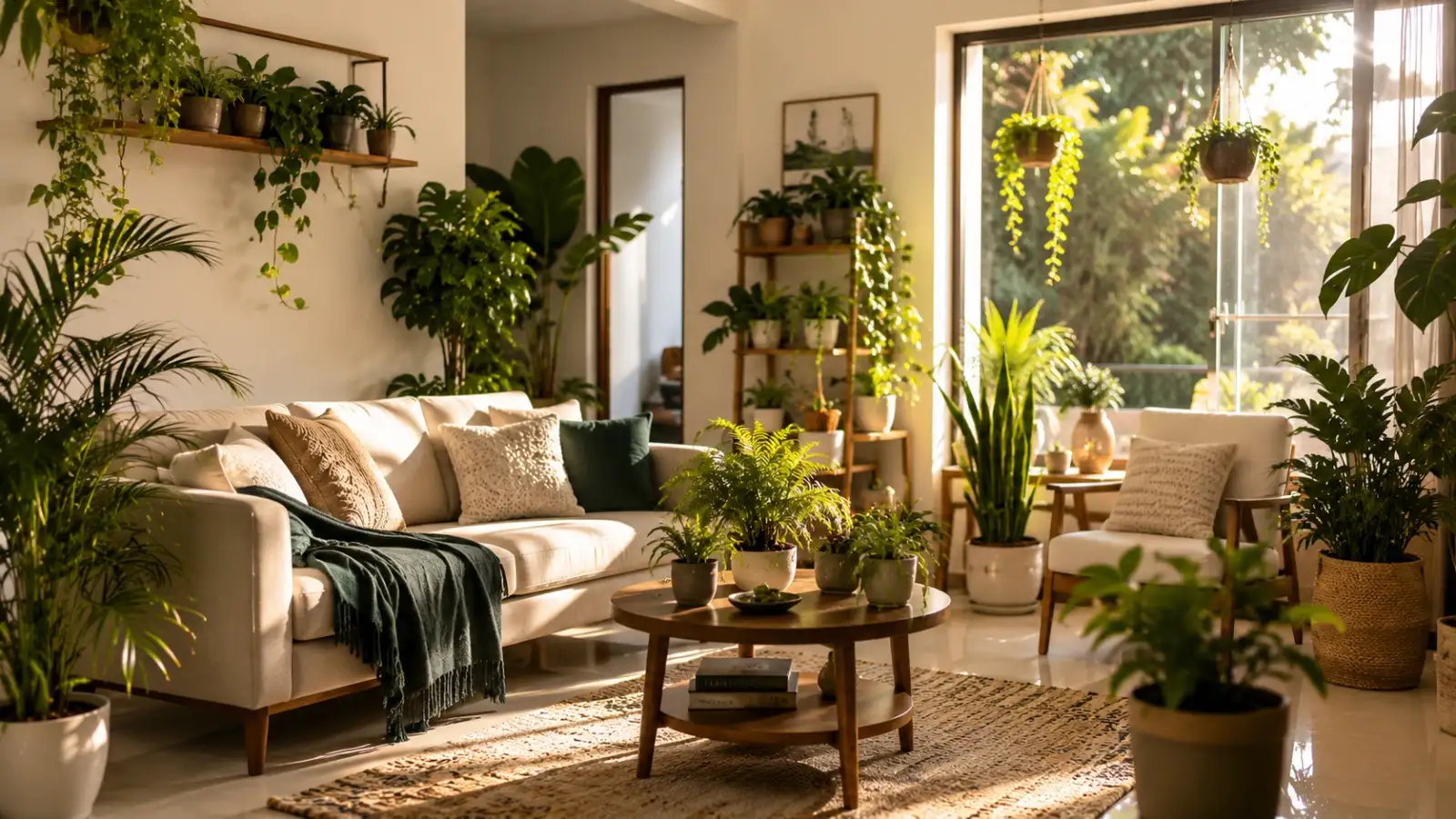
Placing massive ceramic planters, tall ficus trees, or heavy soil containers in this sacred zone physically and energetically weighs down the space. This structural clutter can lead to mental fog, heightened anxiety, and miscommunication among family members. If you wish to keep flora in the north east sector, opt for small water-filled glass jars with light money plants rather than heavy clay pots filled with dense soil.
The only exception to this rule is the sacred red rose placed in an outdoor balcony or garden. Similarly, plants that bleed milky white sap when cut, such as certain euphorbias or rubber species, should be avoided indoors, as traditional wisdom associates milky fluid exuding from bruised leaves with financial strain and emotional disturbance.
Leaving dead or neglected plants sitting in corners introduces heavy, stagnant vibrations that affect the mood of the inhabitants. Similarly, displaying dried flower arrangements or artificial plants for long periods is discouraged because dried matter lacks living prana. To maintain positive energy, regularly trim yellow leaves, wipe dust off green foliage, replace stagnant vase water, and promptly remove plants that cannot be restored to health.
Furthermore, active plant growth energy contrasts with the quiet, passive energy required for restful slumber. If you want greenery in the bedroom, keep it minimal by placing a small air-purifying plant like a snake plant in the far corner rather than right beside your headboard.
Blocking the sacred north east zone with dense and heavy pots
One of the most frequent errors home decorators commit is overcrowding the north east corner of their living space with large, heavy potted plants. In traditional spatial philosophy, the north east sector, known as the Ishanya corner, represents the highest point of pure spiritual energy, mental clarity, and divine light. This delicate direction should ideally remain light, open, uncluttered, and immaculate so that positive cosmic energy can flow freely into the building.Placing massive ceramic planters, tall ficus trees, or heavy soil containers in this sacred zone physically and energetically weighs down the space. This structural clutter can lead to mental fog, heightened anxiety, and miscommunication among family members. If you wish to keep flora in the north east sector, opt for small water-filled glass jars with light money plants rather than heavy clay pots filled with dense soil.
Keeping thorny and sap-exuding plants inside living areas
While cacti, succulents, and thorny specimens have gained immense popularity in trendy interior aesthetics, classical guidelines strongly advise against keeping them inside main living quarters. Thorny vegetation like cacti, rose bushes, or sharp-tipped agaves radiate sharp, aggressive energy that disrupts the peaceful atmosphere of a home. Placing these prickly species in the living room or central hallways can spark unnecessary arguments, underlying friction, and irritability among residents.The only exception to this rule is the sacred red rose placed in an outdoor balcony or garden. Similarly, plants that bleed milky white sap when cut, such as certain euphorbias or rubber species, should be avoided indoors, as traditional wisdom associates milky fluid exuding from bruised leaves with financial strain and emotional disturbance.
You may also like
- For just ₹200, you can lease a small diamond mine in Panna; some ordinary miners have walked out with gems worth crores and more
- “My 3-year-old son had blood in his urine…”: When Emraan Hashmi recalled the most difficult phase of his life and how his son beat cancer after a 5 year battle
- In 1986, bright yellow-flowering Senna plants were brought to Wayanad as shade trees; today, it is among the worst invasive trees of tropical
- No, the mother is not doing fine
- Ali Fazal Transforms into Guddu Bhaiya for Mirzapur: The Movie
Neglecting dying foliage and keeping dried flowers on display
A widespread mistake that quietly drains household vitality is allowing indoor greenery to wither, dry out, or gather thick layers of dust. Living plants symbolize active life force, renewal, and continuous growth. When a houseplant develops yellowing leaves, drooping stems, or rotting roots, its energetic signature shifts from active vitality to decay and stagnation.Leaving dead or neglected plants sitting in corners introduces heavy, stagnant vibrations that affect the mood of the inhabitants. Similarly, displaying dried flower arrangements or artificial plants for long periods is discouraged because dried matter lacks living prana. To maintain positive energy, regularly trim yellow leaves, wipe dust off green foliage, replace stagnant vase water, and promptly remove plants that cannot be restored to health.
Positioning plants incorrectly in bedrooms and sleeping zones
Bedrooms are sacred sanctuaries intended for deep rest, physical recovery, and personal rejuvenation. Placing too many large potted plants right next to your bed is a subtle placement error that can interfere with sound sleep. Plants undergo natural respiration during the night, absorbing oxygen and releasing carbon dioxide into the surrounding air, which can subtly alter sleeping room dynamics.Furthermore, active plant growth energy contrasts with the quiet, passive energy required for restful slumber. If you want greenery in the bedroom, keep it minimal by placing a small air-purifying plant like a snake plant in the far corner rather than right beside your headboard.
Creating an uplifting home environment through mindful placement
Surrounding yourself with thriving indoor plants is a wonderful way to reconnect with nature inside your home. By correcting simple placement mistakes, respecting directional energies, and caring for your greenery with mindful attention, you transform your living space into a balanced sanctuary overflowing with peace, prosperity, and continuous vitality.





Loving Newspoint? Download the app now
