
Inside Burj Khalifa: Exploring Dubai’s 828-Metre Vertical City and Its Hidden Secrets

A Tower That Redefined Dubai’s Skyline: The Burj Khalifa is more than a record-breaking structure - it is the defining symbol of modern Dubai. Rising 828 metres above the desert, the tower commands attention long before you stand beneath it. Its slender, shimmering silhouette has transformed the city’s identity and positioned Dubai as a global destination for architecture, luxury living and tourism.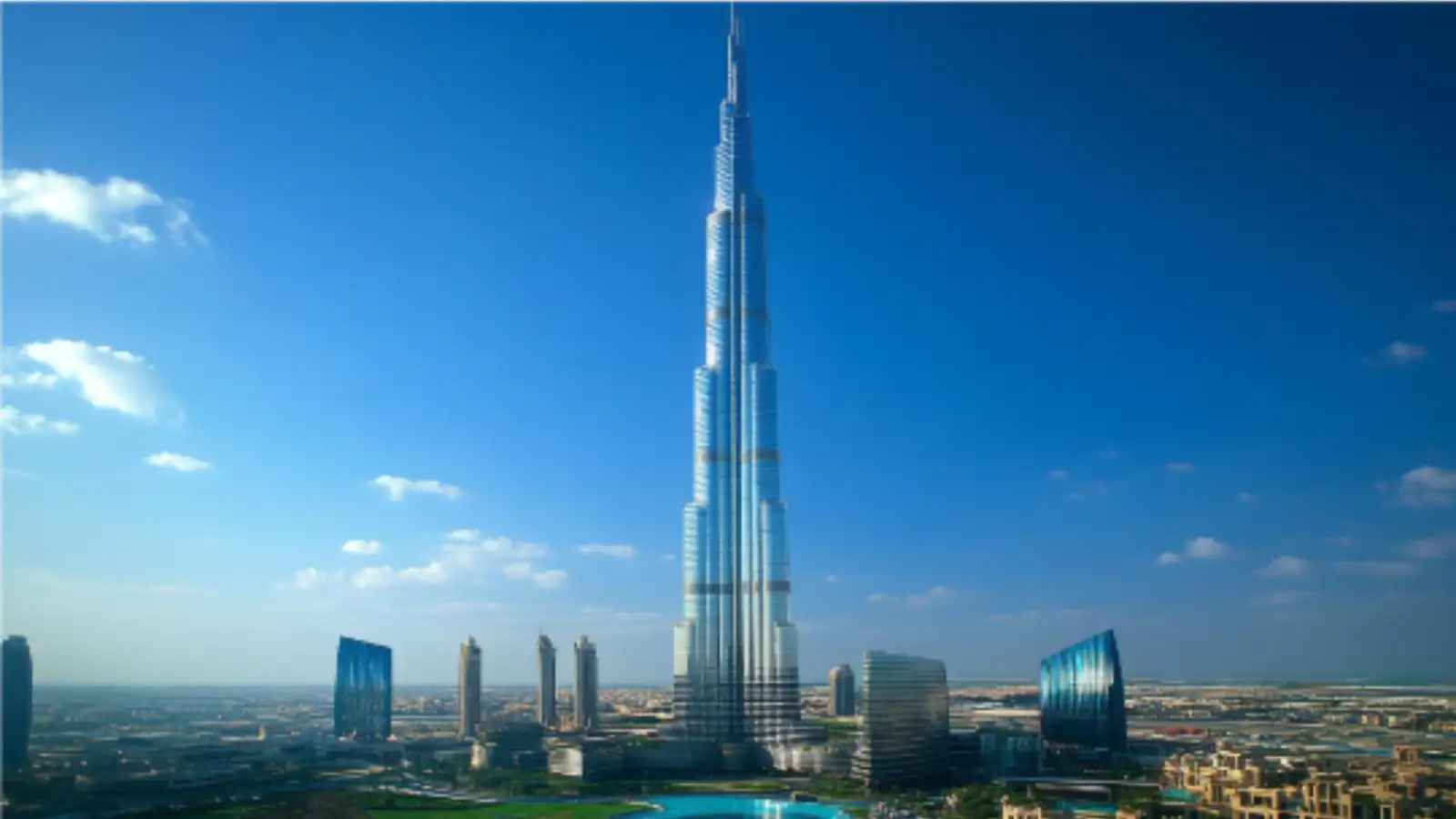
From a distance, it appears like a silver spear piercing the sky. Up close, it reveals itself as a carefully designed vertical metropolis - a place where homes, offices, hospitality and leisure converge under one iconic address.
The Vision Behind the World’s Tallest Building
The creation of the Burj Khalifa was not just about building high - it was about building bold. As the UAE sought to diversify its economy beyond oil, Dubai aimed to establish itself as a hub for global business and tourism. A landmark structure was needed to anchor this ambition.
Strategically positioned in Downtown Dubai , the tower became the centrepiece of a larger urban development plan. It was designed to attract investors, residents and visitors from around the world. Today, it stands as both an architectural marvel and an economic powerhouse, drawing millions annually and fuelling surrounding luxury retail, hospitality and real estate markets.
Engineering Marvel: How Burj Khalifa Was Built
Constructing the tallest building in the world required more than imagination - it demanded engineering brilliance. The project was led by the global architectural firm Skidmore, Owings & Merrill, with architect Adrian Smith and structural engineer Bill Baker at the helm.
Engineers conducted extensive wind tunnel testing and environmental studies to ensure stability against strong desert winds and extreme temperatures. The tower’s distinctive Y-shaped design enhances structural integrity while maximising views.
More than 26,000 glass panels were installed to create its reflective façade, designed to withstand harsh climate conditions. The spire - assembled from within the structure - crowns the building, adding height and reinforcing its status as the tallest structure on Earth.
Construction began in 2004 and was completed in just over five years - an extraordinary achievement given its complexity and scale.
Inside Burj Khalifa : A City in the Sky
Step inside the Burj Khalifa, and it becomes clear why it is often called a “vertical city.” The tower seamlessly integrates residential, commercial and hospitality spaces.
At its base lies the luxurious Armani Hotel Dubai , designed by renowned fashion icon Giorgio Armani. The interiors reflect minimalist elegance, blending comfort with understated sophistication.
Above the hotel, private residences offer panoramic views of the Arabian Gulf and city skyline. Corporate offices occupy several levels, making it a prestigious business address. Wellness facilities, lounges and exclusive amenities ensure residents experience convenience without stepping outside the tower.
Sky-High Attractions and Dining Experiences
One of the biggest draws of the Burj Khalifa is its observation decks. Visitors can head to levels 124, 125 and 148 for breathtaking 360-degree views of Dubai’s coastline, desert landscapes and architectural wonders.
For a fine dining experience like no other, At.mosphere on level 122 offers gourmet cuisine with unmatched views. Dining here turns a meal into a memorable event, combining culinary excellence with dramatic altitude.
More Than a Landmark: A Profitable Global Icon
Named after Khalifa bin Zayed Al Nahyan, the tower represents unity, progress and national pride. Yet its significance extends beyond symbolism.
The Burj Khalifa generates substantial revenue through tourism, real estate, hospitality and corporate leasing. It has helped cement Dubai’s reputation as a city that thrives on innovation and ambition.
Why Burj Khalifa Still Stands Apart
In a city known for pushing limits, the Burj Khalifa continues to stand alone. It is not merely the tallest building in the world - it is a statement of vision and possibility.
By combining architectural brilliance, economic strategy and lifestyle luxury, Dubai created more than a skyscraper. It built a vertical city that reshaped global perceptions and set new standards for what modern engineering can achieve.
From a distance, it appears like a silver spear piercing the sky. Up close, it reveals itself as a carefully designed vertical metropolis - a place where homes, offices, hospitality and leisure converge under one iconic address.
The Vision Behind the World’s Tallest Building
The creation of the Burj Khalifa was not just about building high - it was about building bold. As the UAE sought to diversify its economy beyond oil, Dubai aimed to establish itself as a hub for global business and tourism. A landmark structure was needed to anchor this ambition.
Strategically positioned in Downtown Dubai , the tower became the centrepiece of a larger urban development plan. It was designed to attract investors, residents and visitors from around the world. Today, it stands as both an architectural marvel and an economic powerhouse, drawing millions annually and fuelling surrounding luxury retail, hospitality and real estate markets.
Engineering Marvel: How Burj Khalifa Was Built
Constructing the tallest building in the world required more than imagination - it demanded engineering brilliance. The project was led by the global architectural firm Skidmore, Owings & Merrill, with architect Adrian Smith and structural engineer Bill Baker at the helm.
Engineers conducted extensive wind tunnel testing and environmental studies to ensure stability against strong desert winds and extreme temperatures. The tower’s distinctive Y-shaped design enhances structural integrity while maximising views.
More than 26,000 glass panels were installed to create its reflective façade, designed to withstand harsh climate conditions. The spire - assembled from within the structure - crowns the building, adding height and reinforcing its status as the tallest structure on Earth.
Construction began in 2004 and was completed in just over five years - an extraordinary achievement given its complexity and scale.
Inside Burj Khalifa : A City in the Sky
Step inside the Burj Khalifa, and it becomes clear why it is often called a “vertical city.” The tower seamlessly integrates residential, commercial and hospitality spaces.
At its base lies the luxurious Armani Hotel Dubai , designed by renowned fashion icon Giorgio Armani. The interiors reflect minimalist elegance, blending comfort with understated sophistication.
Above the hotel, private residences offer panoramic views of the Arabian Gulf and city skyline. Corporate offices occupy several levels, making it a prestigious business address. Wellness facilities, lounges and exclusive amenities ensure residents experience convenience without stepping outside the tower.
Sky-High Attractions and Dining Experiences
One of the biggest draws of the Burj Khalifa is its observation decks. Visitors can head to levels 124, 125 and 148 for breathtaking 360-degree views of Dubai’s coastline, desert landscapes and architectural wonders.
For a fine dining experience like no other, At.mosphere on level 122 offers gourmet cuisine with unmatched views. Dining here turns a meal into a memorable event, combining culinary excellence with dramatic altitude.
More Than a Landmark: A Profitable Global Icon
Named after Khalifa bin Zayed Al Nahyan, the tower represents unity, progress and national pride. Yet its significance extends beyond symbolism.
The Burj Khalifa generates substantial revenue through tourism, real estate, hospitality and corporate leasing. It has helped cement Dubai’s reputation as a city that thrives on innovation and ambition.
Why Burj Khalifa Still Stands Apart
In a city known for pushing limits, the Burj Khalifa continues to stand alone. It is not merely the tallest building in the world - it is a statement of vision and possibility.
By combining architectural brilliance, economic strategy and lifestyle luxury, Dubai created more than a skyscraper. It built a vertical city that reshaped global perceptions and set new standards for what modern engineering can achieve.
Next Story