
Inside Gluten: Exploring Its Presence In Various Grains

Gluten is a protein composite found in certain grains , widely consumed as a staple in various diets worldwide. While it provides elasticity to dough and contributes to the texture of baked goods, gluten can be problematic for individuals with gluten-related disorders , such as celiac disease or non-celiac gluten sensitivity.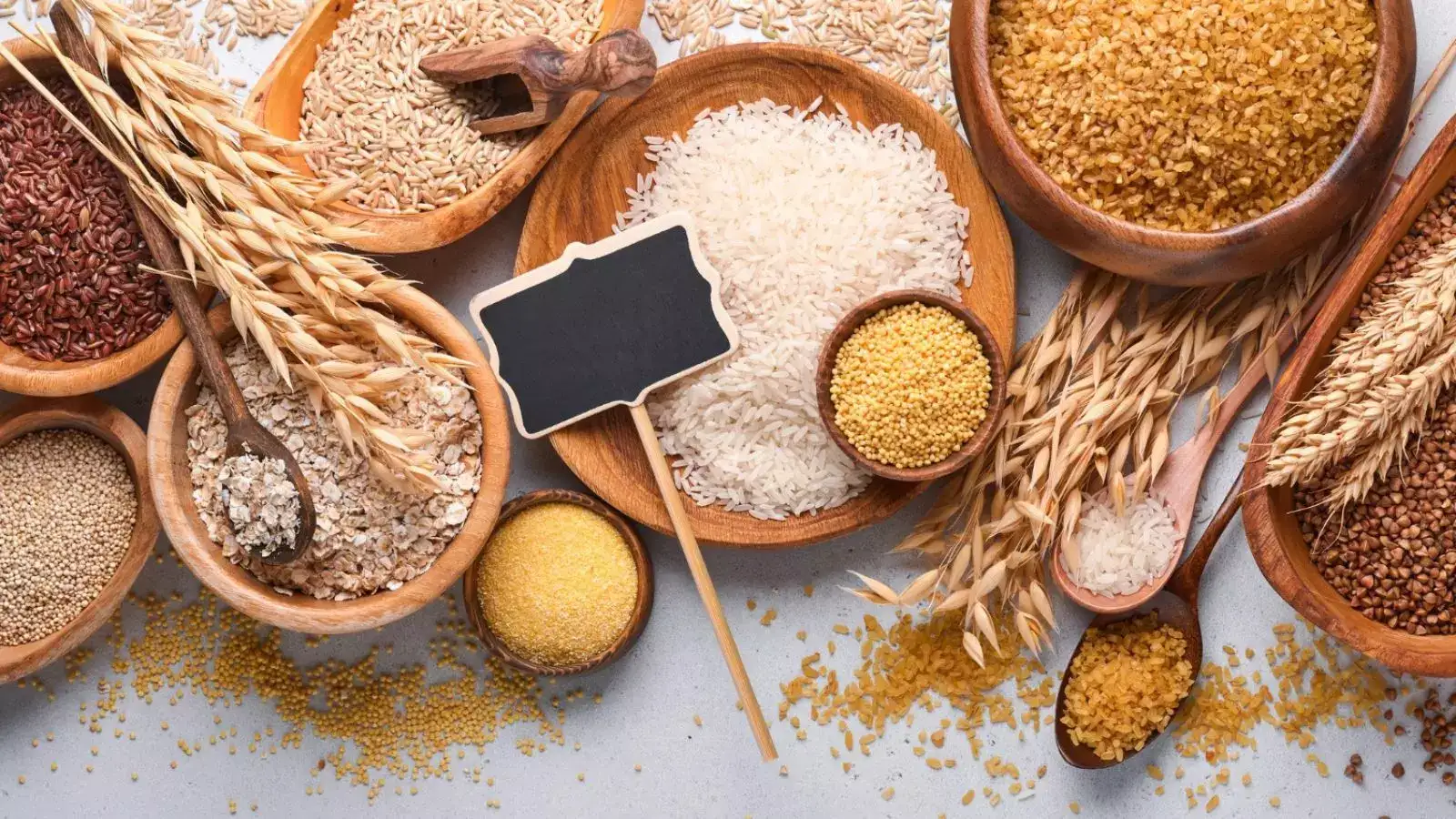
Grains Containing Gluten:
Wheat:
Wheat is a primary source of gluten, and it contains two main proteins responsible for the formation of gluten - gliadin and glutenin. Products made from wheat, including bread, pasta, and pastries, are prominent contributors to gluten intake.
Barley:
Barley also contains gluten, specifically in the form of hordein. This grain is often used in brewing and as an ingredient in various dishes, making it another important consideration for those avoiding gluten.
Rye:
Rye contains a type of gluten known as secalin. While less common in many diets compared to wheat, products like rye bread and certain cereals can be a source of gluten.
Oats:
Oats themselves do not inherently contain gluten, but they are often processed in facilities that handle wheat, barley, and rye. This cross-contamination can introduce gluten, so individuals with gluten sensitivity must choose certified gluten-free oats.
Triticale:
Triticale is a hybrid grain derived from wheat and rye. As a result, it contains gluten from both parent grains, making it unsuitable for those on a gluten-free diet.
Health Implications:
For individuals with celiac disease, a serious autoimmune condition triggered by gluten consumption, even small amounts of gluten can lead to damaging effects on the small intestine lining. Non-celiac gluten sensitivity is another condition where individuals experience gastrointestinal symptoms after consuming gluten, but without the autoimmune response seen in celiac disease.
Gluten-Free Alternatives:
Fortunately, numerous gluten-free alternatives are available for those with gluten-related disorders or those choosing to follow a gluten-free lifestyle. Grains such as rice, corn, quinoa, and millet are naturally gluten-free and can be used as substitutes in various recipes. Additionally, there is a growing market for gluten-free flour blends and products made from alternative flours like almond, coconut, and chickpea flour.
Understanding gluten and its presence in certain grains is crucial for individuals managing gluten-related disorders or choosing a gluten-free lifestyle. Wheat, barley, rye, and their derivatives are the primary sources of gluten, while oats can be contaminated during processing. It is essential for individuals with gluten sensitivity or celiac disease to carefully read food labels and choose gluten-free alternatives to maintain a healthy and symptom-free lifestyle. As awareness grows, the availability of gluten-free options continues to expand, offering more choices for those seeking to manage their gluten intake.
Grains Containing Gluten:
Wheat:
Wheat is a primary source of gluten, and it contains two main proteins responsible for the formation of gluten - gliadin and glutenin. Products made from wheat, including bread, pasta, and pastries, are prominent contributors to gluten intake.
Barley:
Barley also contains gluten, specifically in the form of hordein. This grain is often used in brewing and as an ingredient in various dishes, making it another important consideration for those avoiding gluten.
You may also like
- Kylie Jenner's bedroom is an all-pink and white affair with fur textures and a balance of glam: Decor inspirations to take away
- White Patches on the Vulva: When Should You See a Doctor?
- Texture-maxxing: How to add depth and character to luxury homes with rich materials and craftsmanship
- Booked an economy ticket but got upgraded to a business-class for free? Here's how airlines choose who gets the upgrade
- Meet Yu Zidi, the 13-year-old who broke an Asian Games record and still said she could swim faster
Rye:
Rye contains a type of gluten known as secalin. While less common in many diets compared to wheat, products like rye bread and certain cereals can be a source of gluten.
Oats:
Oats themselves do not inherently contain gluten, but they are often processed in facilities that handle wheat, barley, and rye. This cross-contamination can introduce gluten, so individuals with gluten sensitivity must choose certified gluten-free oats.
Triticale:
Triticale is a hybrid grain derived from wheat and rye. As a result, it contains gluten from both parent grains, making it unsuitable for those on a gluten-free diet.
Health Implications:
For individuals with celiac disease, a serious autoimmune condition triggered by gluten consumption, even small amounts of gluten can lead to damaging effects on the small intestine lining. Non-celiac gluten sensitivity is another condition where individuals experience gastrointestinal symptoms after consuming gluten, but without the autoimmune response seen in celiac disease.
Gluten-Free Alternatives:
Fortunately, numerous gluten-free alternatives are available for those with gluten-related disorders or those choosing to follow a gluten-free lifestyle. Grains such as rice, corn, quinoa, and millet are naturally gluten-free and can be used as substitutes in various recipes. Additionally, there is a growing market for gluten-free flour blends and products made from alternative flours like almond, coconut, and chickpea flour.
Understanding gluten and its presence in certain grains is crucial for individuals managing gluten-related disorders or choosing a gluten-free lifestyle. Wheat, barley, rye, and their derivatives are the primary sources of gluten, while oats can be contaminated during processing. It is essential for individuals with gluten sensitivity or celiac disease to carefully read food labels and choose gluten-free alternatives to maintain a healthy and symptom-free lifestyle. As awareness grows, the availability of gluten-free options continues to expand, offering more choices for those seeking to manage their gluten intake.






Loving Newspoint? Download the app now
