
10 Interesting Facts About Parrots That Most Pet Owners Do Not Know

Parrots are among the most fascinating birds in the animal kingdom. Known for their colourful feathers, curved beaks and ability to imitate human speech, they are popular pets as well as important members of natural ecosystems. However, there is much more to these intelligent birds than their talking abilities. From using their feet to handle food to recognising familiar sounds and forming strong social bonds, parrots display several remarkable behaviours. Different species also have unique physical features, communication styles and survival strategies. Here are 10 interesting facts about parrots that many pet owners and bird enthusiasts may not know.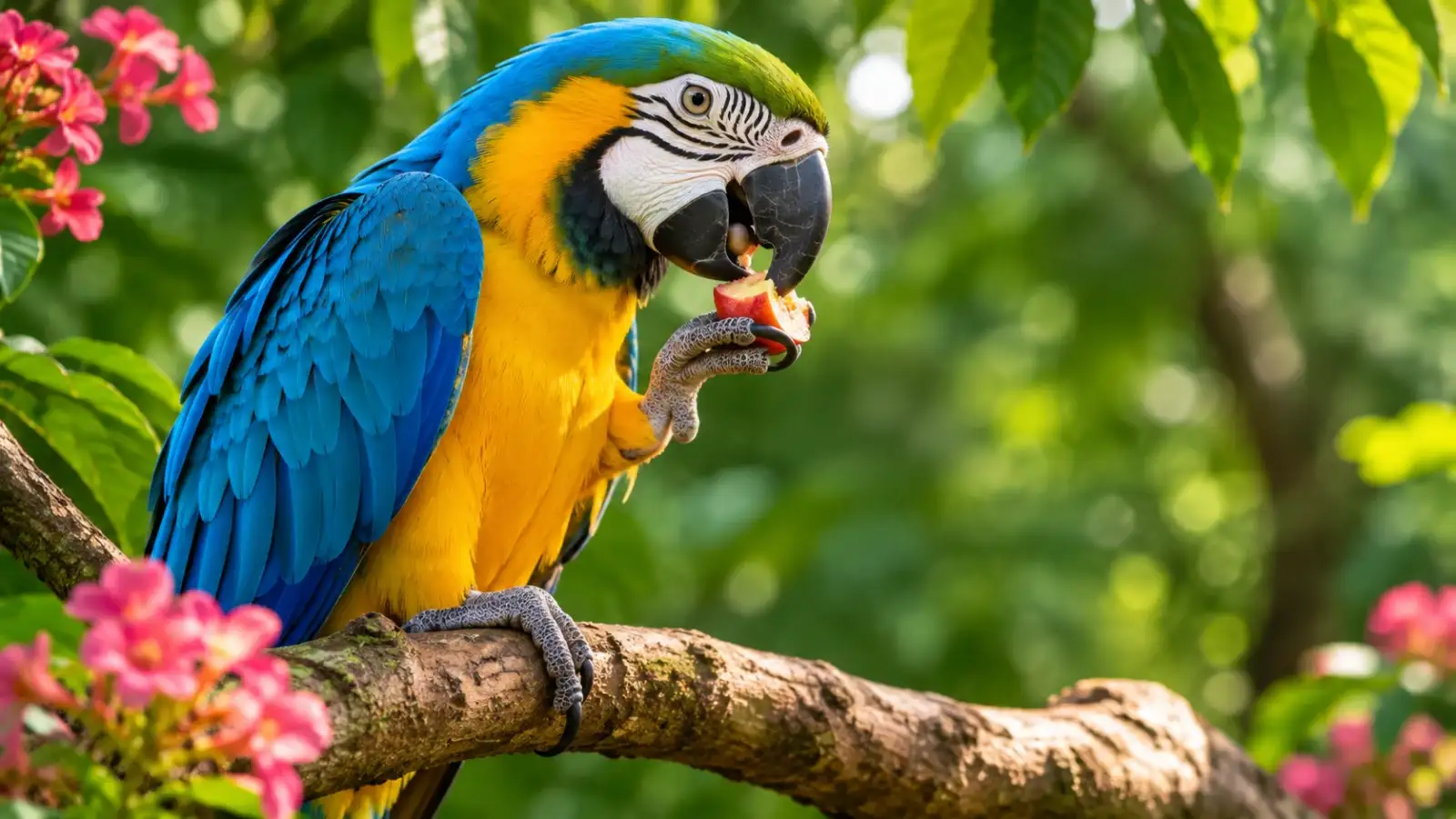
This arrangement, known as zygodactyl feet, helps them grip branches, climb and handle food. Many parrots can hold a seed or piece of fruit in one foot while eating with their beak.
They do not produce speech in exactly the same way humans do. Instead, they learn to imitate sounds using their specialised vocal organ, called the syrinx. Some individuals can also associate certain sounds or words with familiar situations.
African grey parrots have attracted particular scientific interest because of their learning and communication abilities. Research has shown that certain individuals can distinguish colours, shapes and quantities, although abilities vary between birds.
The upper part of the beak is generally hooked and powerful, while the lower part provides support during feeding. Parrots also use their beaks like an additional gripping point when moving around branches.
Pet parrots may also develop strong attachments to familiar people and other birds. They often enjoy interaction, play and shared activities. However, individual personalities differ, and some birds may need more time to become comfortable around people.
Some large parrots can live for several decades with suitable care. This makes responsible ownership particularly important because adopting a parrot may involve a long-term commitment.
For example, a relaxed bird may gently preen its feathers or sit comfortably on a perch. A frightened or uncomfortable parrot may move away, raise its feathers or display defensive behaviour. Understanding these signals can help pet owners respond appropriately.
Some parrots also feed on flowers and nectar. Their feeding activities can contribute to pollination in certain ecosystems. By moving between trees and feeding on different plant species, they form part of important ecological relationships.
They often use their beaks as an extra support point while climbing. This combination of gripping feet and a powerful beak allows them to navigate dense forest environments and reach food in different locations.
It is also among the heaviest parrot species. Kakapos are critically endangered, and conservation programmes are working to protect their remaining population through habitat management, breeding support and close monitoring.
Provide bird-safe toys, climbing structures and regular interaction. Avoid exposing them to harmful household fumes, smoke and unsafe materials. Routine check-ups with an avian veterinarian can also help identify health problems early.
Parrots are remarkable birds with intelligence, strong social instincts and specialised physical features. Their ability to imitate sounds is only one part of what makes them interesting. From using their feet to handle food to helping maintain forest ecosystems, these birds play several important roles in nature. Understanding their behaviour and needs can also help pet owners provide better care and create a more suitable environment for these long-lived companions.
1. Parrots Use Their Feet Like Hands
One of the most interesting features of parrots is their ability to use their feet to hold and manipulate objects. Most parrot species have four toes on each foot, with two pointing forwards and two backwards.This arrangement, known as zygodactyl feet, helps them grip branches, climb and handle food. Many parrots can hold a seed or piece of fruit in one foot while eating with their beak.
2. Not All Parrots Can Talk Like Humans
Parrots are famous for imitating human speech, but not every species has the same vocal abilities. African grey parrots, Amazon parrots, budgerigars and some other species are particularly well known for their ability to copy sounds.They do not produce speech in exactly the same way humans do. Instead, they learn to imitate sounds using their specialised vocal organ, called the syrinx. Some individuals can also associate certain sounds or words with familiar situations.
3. Parrots Are Highly Intelligent Birds
Parrots have impressive problem-solving abilities. Some species can learn to open simple mechanisms, identify objects and complete tasks that require memory and observation.African grey parrots have attracted particular scientific interest because of their learning and communication abilities. Research has shown that certain individuals can distinguish colours, shapes and quantities, although abilities vary between birds.
4. Their Beaks Are Strong and Specialised
A parrot's curved beak is more than just a feeding tool. It helps the bird crack hard seeds, open nuts, climb and manipulate objects.The upper part of the beak is generally hooked and powerful, while the lower part provides support during feeding. Parrots also use their beaks like an additional gripping point when moving around branches.
5. Parrots Can Form Strong Social Bonds
Many parrot species are highly social and naturally live in pairs or groups. They communicate through calls, body movements and other vocal signals.Pet parrots may also develop strong attachments to familiar people and other birds. They often enjoy interaction, play and shared activities. However, individual personalities differ, and some birds may need more time to become comfortable around people.
6. Some Parrots Can Live for Several Decades
Parrots are among the longer-lived birds, although their lifespan varies considerably by species. Small budgerigars generally have shorter lifespans than larger parrots such as macaws and cockatoos.Some large parrots can live for several decades with suitable care. This makes responsible ownership particularly important because adopting a parrot may involve a long-term commitment.
7. Parrots Have Different Ways of Communicating
Parrots communicate through more than just sounds. They use feather positions, eye movements, body posture and tail movements to express different behaviours.For example, a relaxed bird may gently preen its feathers or sit comfortably on a perch. A frightened or uncomfortable parrot may move away, raise its feathers or display defensive behaviour. Understanding these signals can help pet owners respond appropriately.
8. They Help Maintain Healthy Forest Ecosystems
Wild parrots play important roles in their natural habitats. Many species eat fruits, seeds, nuts and flowers, helping plants spread their seeds across different areas.Some parrots also feed on flowers and nectar. Their feeding activities can contribute to pollination in certain ecosystems. By moving between trees and feeding on different plant species, they form part of important ecological relationships.
9. Some Parrots Use Their Beaks and Feet to Climb
Parrots are excellent climbers. Their strong feet and curved beaks help them move through branches, tree trunks and other surfaces.They often use their beaks as an extra support point while climbing. This combination of gripping feet and a powerful beak allows them to navigate dense forest environments and reach food in different locations.
10. The Kakapo Is a Flightless Parrot
The kakapo, native to New Zealand, is one of the world's most unusual parrots. Unlike most members of its family, it cannot fly and is primarily active at night.It is also among the heaviest parrot species. Kakapos are critically endangered, and conservation programmes are working to protect their remaining population through habitat management, breeding support and close monitoring.
How to Keep a Pet Parrot Happy and Healthy
Parrots need more than a cage and regular feeding to remain healthy. They require a spacious, safe environment, a suitable balanced diet, fresh water and opportunities for exercise and mental stimulation.Provide bird-safe toys, climbing structures and regular interaction. Avoid exposing them to harmful household fumes, smoke and unsafe materials. Routine check-ups with an avian veterinarian can also help identify health problems early.
Parrots are remarkable birds with intelligence, strong social instincts and specialised physical features. Their ability to imitate sounds is only one part of what makes them interesting. From using their feet to handle food to helping maintain forest ecosystems, these birds play several important roles in nature. Understanding their behaviour and needs can also help pet owners provide better care and create a more suitable environment for these long-lived companions.
Next Story