
International Animation Day 2026: How Animation Transformed Entertainment

International Animation Day is observed every year on 28 October to celebrate the art of animation and recognise the artists, filmmakers and creative professionals who bring characters and stories to life. From hand-drawn cartoons and stop-motion films to computer-generated imagery and animated features, animation has become an important part of entertainment, education, advertising and digital storytelling.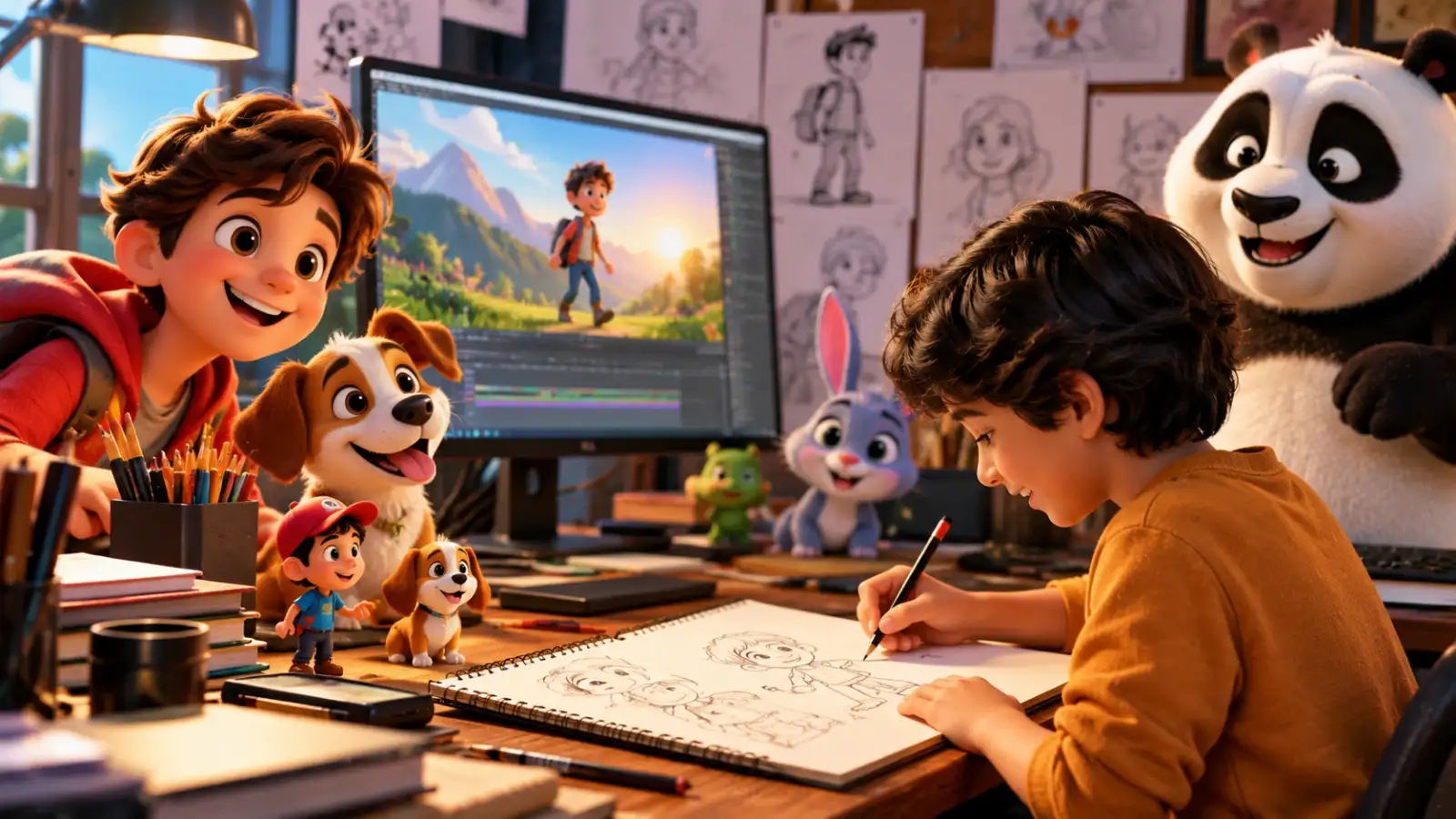
In 2026, International Animation Day falls on Wednesday, 28 October. The occasion highlights the creativity, technical skill and imagination behind animated films and other visual works. It also provides an opportunity for audiences to explore animation from different countries, appreciate independent filmmakers and understand how this art form continues to evolve with technology. The annual observance was established by the International Animated Film Association, known as ASIFA, in 2002.
His invention used a system of images and mirrors to create the illusion of movement on a screen. The presentation marked a significant development in the evolution of projected animation and helped lay the groundwork for later forms of animated entertainment.
More than a century later, ASIFA established International Animation Day to recognise this milestone and celebrate animation as a global art form. The observance encourages people to look beyond mainstream films and discover the diverse styles, techniques and stories created by animators around the world.
Stop-motion animation introduced another approach, using physical objects, puppets or models that were moved slightly between photographs. Clay animation and paper-based techniques also became popular among artists who wanted to experiment with different textures and visual styles.
The arrival of computer technology transformed the industry further. Two-dimensional digital animation made drawing and editing more flexible, while three-dimensional computer animation allowed creators to build detailed characters, environments and realistic movement.
Today, animation is used in feature films, television series, video games, mobile applications, educational videos and online content. Motion graphics and visual effects also help explain complex information and enhance live-action productions.
Its appeal is not limited to children. Animated films and series increasingly explore subjects such as family relationships, identity, history, social issues and personal growth. This range has helped animation reach audiences of different ages and cultural backgrounds.
Animation is also valuable in education. Animated explanations can make scientific concepts, historical events and technical processes easier to understand. In advertising, businesses use animated visuals to communicate ideas, demonstrate products and build recognisable characters.
The process often begins with a story or concept. Artists then plan scenes, design characters and establish how the action will unfold. Depending on the technique, animators create drawings, manipulate physical objects or build digital models before refining movement, lighting, sound and timing.
Each stage contributes to the final result. Even a short animated sequence can require extensive planning and repeated adjustments to make movements appear natural and storytelling feel convincing.
International Animation Day recognises these creative and technical contributions while providing a platform for independent artists and emerging talent to share their work.
Some events focus on independent animation, giving audiences an opportunity to watch short films that may not receive wide commercial distribution. Workshops can introduce students and beginners to storyboarding, character design, stop-motion techniques and digital animation tools.
In India, animation festivals, industry events, educational institutions and creative communities help showcase the country's animation, visual effects and gaming talent. Such programmes can also introduce aspiring artists to career opportunities in film production, gaming, advertising and digital media.
The international observance encourages cultural exchange by bringing together films and creative perspectives from different parts of the world.
International Animation Day 2026 celebrates the imagination, craftsmanship and technological progress that have shaped animation over more than a century. From early projected drawings to sophisticated digital productions, animation continues to expand the ways people tell stories and share ideas.
The occasion is also a reminder that animation is not simply a form of entertainment. It is an art that brings together storytelling, design, music, technology and human creativity. By watching animated films, supporting emerging artists and exploring different animation styles, audiences can appreciate the work that makes this medium so influential.
In 2026, International Animation Day falls on Wednesday, 28 October. The occasion highlights the creativity, technical skill and imagination behind animated films and other visual works. It also provides an opportunity for audiences to explore animation from different countries, appreciate independent filmmakers and understand how this art form continues to evolve with technology. The annual observance was established by the International Animated Film Association, known as ASIFA, in 2002.
Why Is International Animation Day Celebrated on 28 October?
The date commemorates an important moment in the history of animation . On 28 October 1892, French inventor and artist Charles-Émile Reynaud presented a public screening of animated moving images using his Théâtre Optique at the Musée Grévin in Paris.His invention used a system of images and mirrors to create the illusion of movement on a screen. The presentation marked a significant development in the evolution of projected animation and helped lay the groundwork for later forms of animated entertainment.
More than a century later, ASIFA established International Animation Day to recognise this milestone and celebrate animation as a global art form. The observance encourages people to look beyond mainstream films and discover the diverse styles, techniques and stories created by animators around the world.
How Has Animation Changed Over the Years?
Animation has developed considerably since its early days. Traditional animation relied on artists creating sequences of individual drawings, with each image showing a slight change in movement. When these images were displayed in rapid succession, they created the impression of motion.Stop-motion animation introduced another approach, using physical objects, puppets or models that were moved slightly between photographs. Clay animation and paper-based techniques also became popular among artists who wanted to experiment with different textures and visual styles.
The arrival of computer technology transformed the industry further. Two-dimensional digital animation made drawing and editing more flexible, while three-dimensional computer animation allowed creators to build detailed characters, environments and realistic movement.
Today, animation is used in feature films, television series, video games, mobile applications, educational videos and online content. Motion graphics and visual effects also help explain complex information and enhance live-action productions.
Why Is Animation Important in Modern Entertainment?
Animation allows storytellers to create worlds and experiences that may be difficult or impossible to capture through live-action filming alone. Fantasy landscapes, imaginary creatures, futuristic cities and visually complex action sequences can all be developed through different animation techniques.Its appeal is not limited to children. Animated films and series increasingly explore subjects such as family relationships, identity, history, social issues and personal growth. This range has helped animation reach audiences of different ages and cultural backgrounds.
Animation is also valuable in education. Animated explanations can make scientific concepts, historical events and technical processes easier to understand. In advertising, businesses use animated visuals to communicate ideas, demonstrate products and build recognisable characters.
The Role of Animators Behind the Screen
Animation involves much more than creating moving pictures. A typical production may require writers, storyboard artists, character designers, illustrators, animators, voice artists, editors, sound designers and visual effects specialists.The process often begins with a story or concept. Artists then plan scenes, design characters and establish how the action will unfold. Depending on the technique, animators create drawings, manipulate physical objects or build digital models before refining movement, lighting, sound and timing.
You may also like
- Psychology says parents who read bedtime stories every night may be building more than a love of books, language skills and healthy routines
- This is what you did not know about the Jaggery capital of India
- Good news for Engineering and Medical students: Supreme Court takes a strict stance on college fee hikes.
- Where did the security lapse at eMudhra occur? Is your data not even safe under the government's watch?
- LPG News: Will your subsidy stop if your gas cylinder is stolen?
Each stage contributes to the final result. Even a short animated sequence can require extensive planning and repeated adjustments to make movements appear natural and storytelling feel convincing.
International Animation Day recognises these creative and technical contributions while providing a platform for independent artists and emerging talent to share their work.
How Is International Animation Day Celebrated?
Celebrations vary across countries and organisations. Common activities include animated film screenings, exhibitions, workshops, discussions, educational sessions and meetings with animation professionals.Some events focus on independent animation, giving audiences an opportunity to watch short films that may not receive wide commercial distribution. Workshops can introduce students and beginners to storyboarding, character design, stop-motion techniques and digital animation tools.
In India, animation festivals, industry events, educational institutions and creative communities help showcase the country's animation, visual effects and gaming talent. Such programmes can also introduce aspiring artists to career opportunities in film production, gaming, advertising and digital media.
The international observance encourages cultural exchange by bringing together films and creative perspectives from different parts of the world.
International Animation Day 2026 celebrates the imagination, craftsmanship and technological progress that have shaped animation over more than a century. From early projected drawings to sophisticated digital productions, animation continues to expand the ways people tell stories and share ideas.
The occasion is also a reminder that animation is not simply a form of entertainment. It is an art that brings together storytelling, design, music, technology and human creativity. By watching animated films, supporting emerging artists and exploring different animation styles, audiences can appreciate the work that makes this medium so influential.






Loving Newspoint? Download the app now
