
International Delights: Non-Indian Fruits And Vegetables That Are Now Thriving In India

India is known for its enormous variety of native fruits and vegetables, but its agricultural landscape also includes produce that originated in other parts of the world. Over the years, farmers have introduced and cultivated several non-Indian fruits and vegetables , adapting them to suitable local climates and growing conditions. Some were once considered unusual or expensive but have gradually become more familiar to Indian consumers. From dragon fruit and kiwi to broccoli and coloured capsicum, these crops demonstrate how farming practices, changing consumer preferences and regional climates can influence what appears in Indian markets.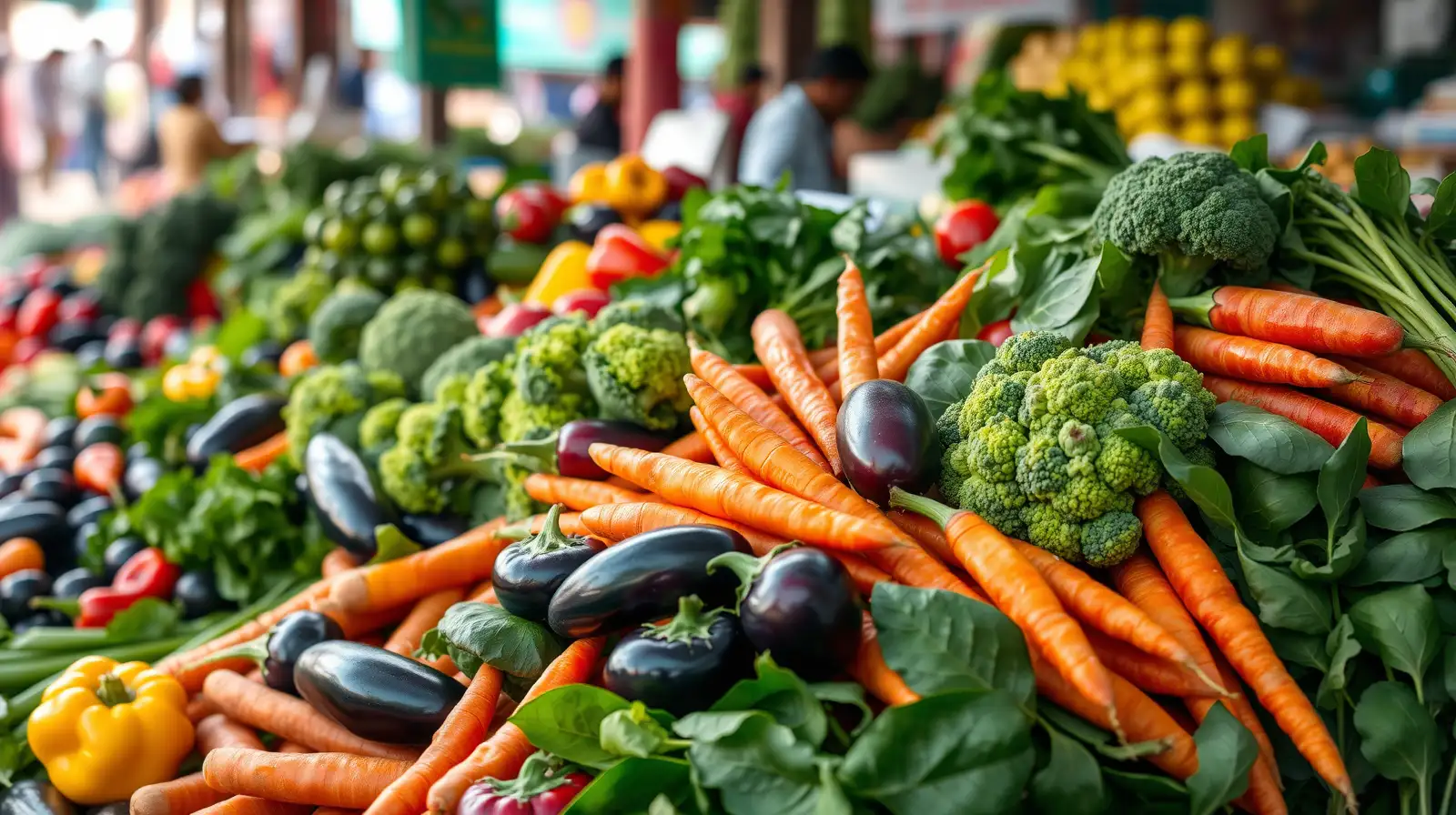
The fruit requires suitable climatic conditions and careful cultivation. As demand for fresh and nutritious produce has increased, kiwi has become more visible in Indian retail markets.
Its distinctive appearance and mild flavour have also helped it gain attention among consumers. Different varieties, including those with white or red flesh, are now available in India.
Coloured peppers, including red, yellow and orange varieties, are also cultivated in India. They are often grown using protected cultivation methods, particularly where controlled growing conditions can improve production.
Their cultivation varies considerably by region because each crop has different requirements for temperature, water, soil and growing conditions. Farmers therefore need to select varieties and cultivation methods suited to their local environment.
As cultivation techniques continue to evolve, India’s produce basket is likely to remain diverse, combining familiar native crops with fruits and vegetables that have travelled from different parts of the world.
Kiwi Finds A Place In Indian Farms
Kiwi originated in China and later became closely associated with commercial cultivation in countries such as New Zealand. In India, it is grown particularly in cooler regions, including parts of the Himalayan states.The fruit requires suitable climatic conditions and careful cultivation. As demand for fresh and nutritious produce has increased, kiwi has become more visible in Indian retail markets.
Dragon Fruit Gains Popularity
Dragon fruit, native to parts of Central America, has emerged as one of the more recognisable exotic fruits in India . It can be cultivated in several Indian regions and has attracted interest among farmers looking for alternative crops.Its distinctive appearance and mild flavour have also helped it gain attention among consumers. Different varieties, including those with white or red flesh, are now available in India.
Broccoli And Coloured Peppers
Broccoli is another internationally originated vegetable that has found a place in Indian agriculture and kitchens. It grows particularly well under suitable cooler conditions and is increasingly used in salads, soups, stir-fries and Indian-style preparations.Coloured peppers, including red, yellow and orange varieties, are also cultivated in India. They are often grown using protected cultivation methods, particularly where controlled growing conditions can improve production.
Other International Crops
Several other fruits and vegetables with origins outside India are now cultivated or commercially available in the country. These include avocado, strawberry, lettuce, zucchini and cherry tomatoes.Their cultivation varies considerably by region because each crop has different requirements for temperature, water, soil and growing conditions. Farmers therefore need to select varieties and cultivation methods suited to their local environment.
A Changing Indian Produce Basket
The growing presence of international produce does not mean traditional Indian crops are disappearing. Instead, it reflects an expanding agricultural and food market. According to agricultural observers, consumer interest, restaurant demand and changing dietary preferences can encourage farmers to experiment with crops beyond conventional choices.As cultivation techniques continue to evolve, India’s produce basket is likely to remain diverse, combining familiar native crops with fruits and vegetables that have travelled from different parts of the world.
Next Story