
International Music Day 2026: How Music Connects Cultures Across the World

International Music Day is observed every year on 1 October, celebrating music as a universal form of expression that crosses languages, cultures and geographical boundaries. From classical compositions and folk traditions to contemporary pop, rock and electronic music, the day recognises the many ways music has become part of everyday life.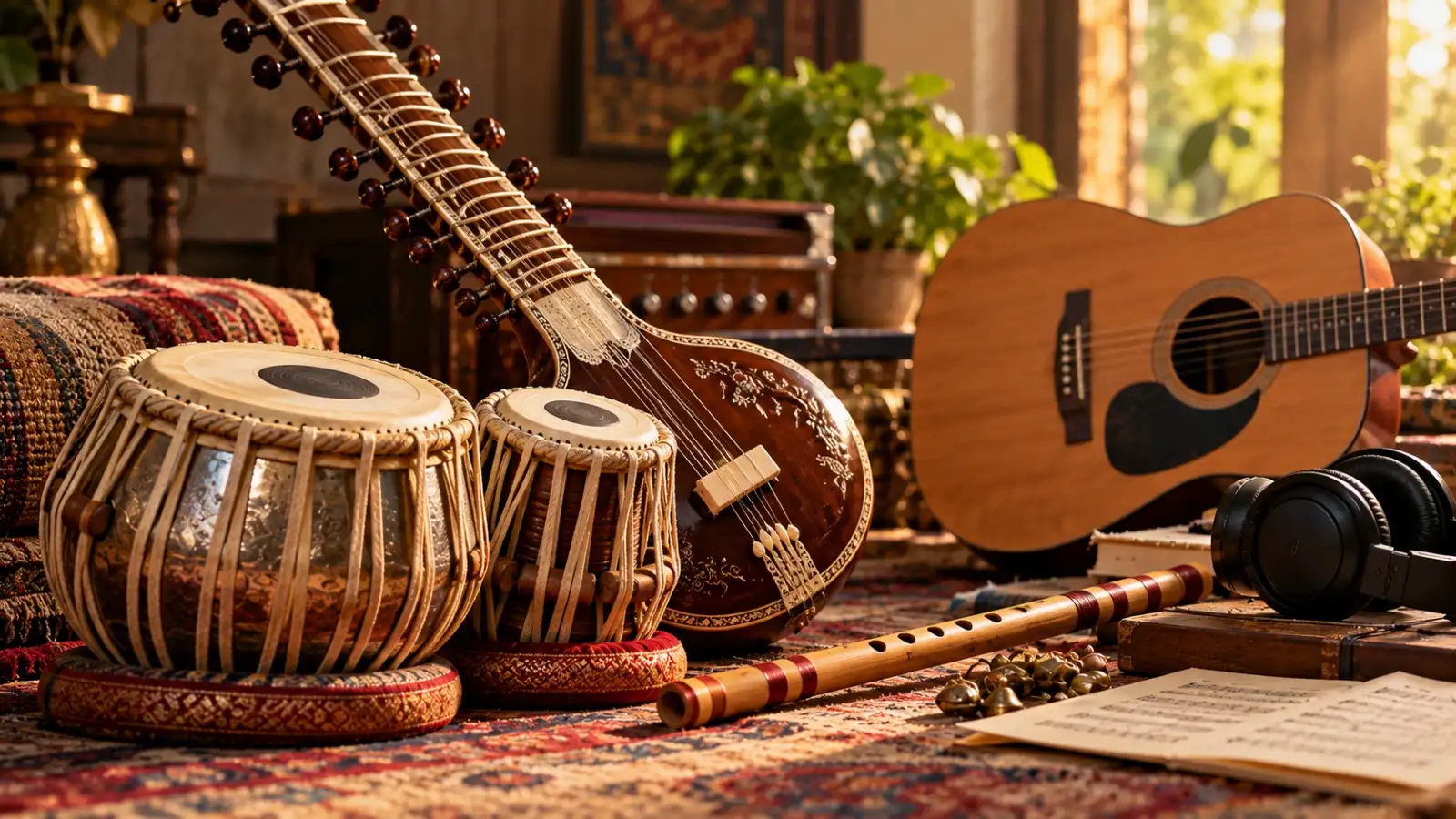
Music can preserve cultural traditions, bring communities together and provide a way for people to express emotions and ideas. International Music Day also encourages people to discover musical traditions beyond their own.
The occasion was established in 1975 by the International Music Council, following an initiative associated with its then-president, Yehudi Menuhin. The first International Music Day was observed on 1 October 1975.
The date has since been used for musical performances, concerts and cultural events in different parts of the world.
The celebration also aims to make music more accessible and highlight the work of musicians, composers, performers and educators.
Music can serve very different purposes depending on the culture. It can accompany religious ceremonies, preserve historical stories, provide entertainment or simply become part of people's daily routines.
Ancient civilisations developed their own instruments, scales and musical traditions. Over time, these traditions evolved through migration, cultural exchange and technological development.
This long history explains why musical systems can be remarkably different from one region to another while still sharing common elements such as rhythm, melody and repetition.
Indian classical music places considerable importance on concepts such as raga and tala. Different regions and musical traditions have developed their own instruments, performance styles and forms.
Instruments including the sitar, tabla, sarod, veena, mridangam and flute have become closely associated with different strands of Indian music .
Alongside classical traditions, India's folk music reflects local languages, festivals, occupations, religious traditions and regional histories.
Folk songs can preserve information about local customs, celebrations and historical experiences. In communities where oral traditions have played an important role, music can act as a form of cultural memory.
This is one reason why traditional music remains important even as modern musical styles continue to develop.
Live performances were once the primary way many people encountered music outside their own communities. Recordings, radio, television and later digital platforms transformed that experience.
Today, listeners can access music from almost any part of the world within seconds. This has made cross-cultural discovery easier and allowed regional artists to reach audiences far beyond their traditional markets.
A listener may not understand the words of a song but can still respond to its rhythm, melody or emotional tone. This has helped music travel across borders and become an important part of cultural exchange.
International Music Day celebrates precisely this ability to connect people with different languages and backgrounds.
Music organisations and educational institutions may organise activities that introduce audiences to different instruments or musical traditions.
Individuals can also mark the day by listening to an unfamiliar genre, attending a live performance, learning an instrument or exploring traditional music from another country.
On 1 October 2026, the celebration offers an opportunity to look beyond familiar playlists and explore the extraordinary variety of music created around the world.
Whether it is an Indian classical raga, a traditional folk song, an orchestral composition or a contemporary track, music continues to connect people in ways that often go beyond language and geography.
Music can preserve cultural traditions, bring communities together and provide a way for people to express emotions and ideas. International Music Day also encourages people to discover musical traditions beyond their own.
When Is International Music Day 2026 ?
International Music Day will be observed on Thursday, 1 October 2026.The occasion was established in 1975 by the International Music Council, following an initiative associated with its then-president, Yehudi Menuhin. The first International Music Day was observed on 1 October 1975.
The date has since been used for musical performances, concerts and cultural events in different parts of the world.
Why Is International Music Day Celebrated?
The main purpose of International Music Day is to promote music and encourage greater appreciation of its role in society.The celebration also aims to make music more accessible and highlight the work of musicians, composers, performers and educators.
Music can serve very different purposes depending on the culture. It can accompany religious ceremonies, preserve historical stories, provide entertainment or simply become part of people's daily routines.
Music Has Existed Across Civilisations
Music is not a modern invention. Archaeological evidence suggests that humans have created musical instruments and used organised sound for thousands of years.Ancient civilisations developed their own instruments, scales and musical traditions. Over time, these traditions evolved through migration, cultural exchange and technological development.
This long history explains why musical systems can be remarkably different from one region to another while still sharing common elements such as rhythm, melody and repetition.
India's Rich Musical Heritage
India has an exceptionally diverse musical heritage. The country has developed classical traditions such as Hindustani and Carnatic music, alongside thousands of regional and folk traditions.Indian classical music places considerable importance on concepts such as raga and tala. Different regions and musical traditions have developed their own instruments, performance styles and forms.
Instruments including the sitar, tabla, sarod, veena, mridangam and flute have become closely associated with different strands of Indian music .
Alongside classical traditions, India's folk music reflects local languages, festivals, occupations, religious traditions and regional histories.
Music Can Preserve Cultural Traditions
Songs are often used to pass stories and traditions from one generation to another.Folk songs can preserve information about local customs, celebrations and historical experiences. In communities where oral traditions have played an important role, music can act as a form of cultural memory.
This is one reason why traditional music remains important even as modern musical styles continue to develop.
Technology Has Changed How We Listen
The way people experience music has changed dramatically over the past century.Live performances were once the primary way many people encountered music outside their own communities. Recordings, radio, television and later digital platforms transformed that experience.
Today, listeners can access music from almost any part of the world within seconds. This has made cross-cultural discovery easier and allowed regional artists to reach audiences far beyond their traditional markets.
Music Connects People Across Languages
One of music's most distinctive qualities is its ability to communicate without relying entirely on language.A listener may not understand the words of a song but can still respond to its rhythm, melody or emotional tone. This has helped music travel across borders and become an important part of cultural exchange.
International Music Day celebrates precisely this ability to connect people with different languages and backgrounds.
How Is International Music Day Celebrated?
There is no single format for celebrating the day. Events can include concerts, workshops, school performances, public performances, lectures and community music programmes.Music organisations and educational institutions may organise activities that introduce audiences to different instruments or musical traditions.
Individuals can also mark the day by listening to an unfamiliar genre, attending a live performance, learning an instrument or exploring traditional music from another country.
Interesting Facts About Music
- Music is found in virtually every known human culture.
- India has two major classical traditions, Hindustani and Carnatic music.
- The sitar and tabla are among the Indian instruments recognised internationally.
- Folk music often reflects the history and daily life of the communities that create it.
- Technology has transformed music distribution from physical recordings to instant digital access.
- Music can be performed individually or collectively, from solo instruments to large orchestras and ensembles.
More Than Just Entertainment
International Music Day highlights the broader role music plays in human life. It can preserve cultural identity, support education, bring communities together and provide a form of creative expression.On 1 October 2026, the celebration offers an opportunity to look beyond familiar playlists and explore the extraordinary variety of music created around the world.
Whether it is an Indian classical raga, a traditional folk song, an orchestral composition or a contemporary track, music continues to connect people in ways that often go beyond language and geography.
Next Story