
International Tea Day 2025: Think Twice Before Using Tea Bags – Here's Why and What to Use Instead

Every year on May 21st, tea lovers across the globe raise a cup to celebrate International Tea Day. This special day, recognised by the United Nations, honours tea’s deep cultural roots, its role in rural economies, and the importance of sustainable practices in tea production. But while we appreciate this beloved beverage, it’s time to also look into what’s inside that cup - especially if you're using tea bags.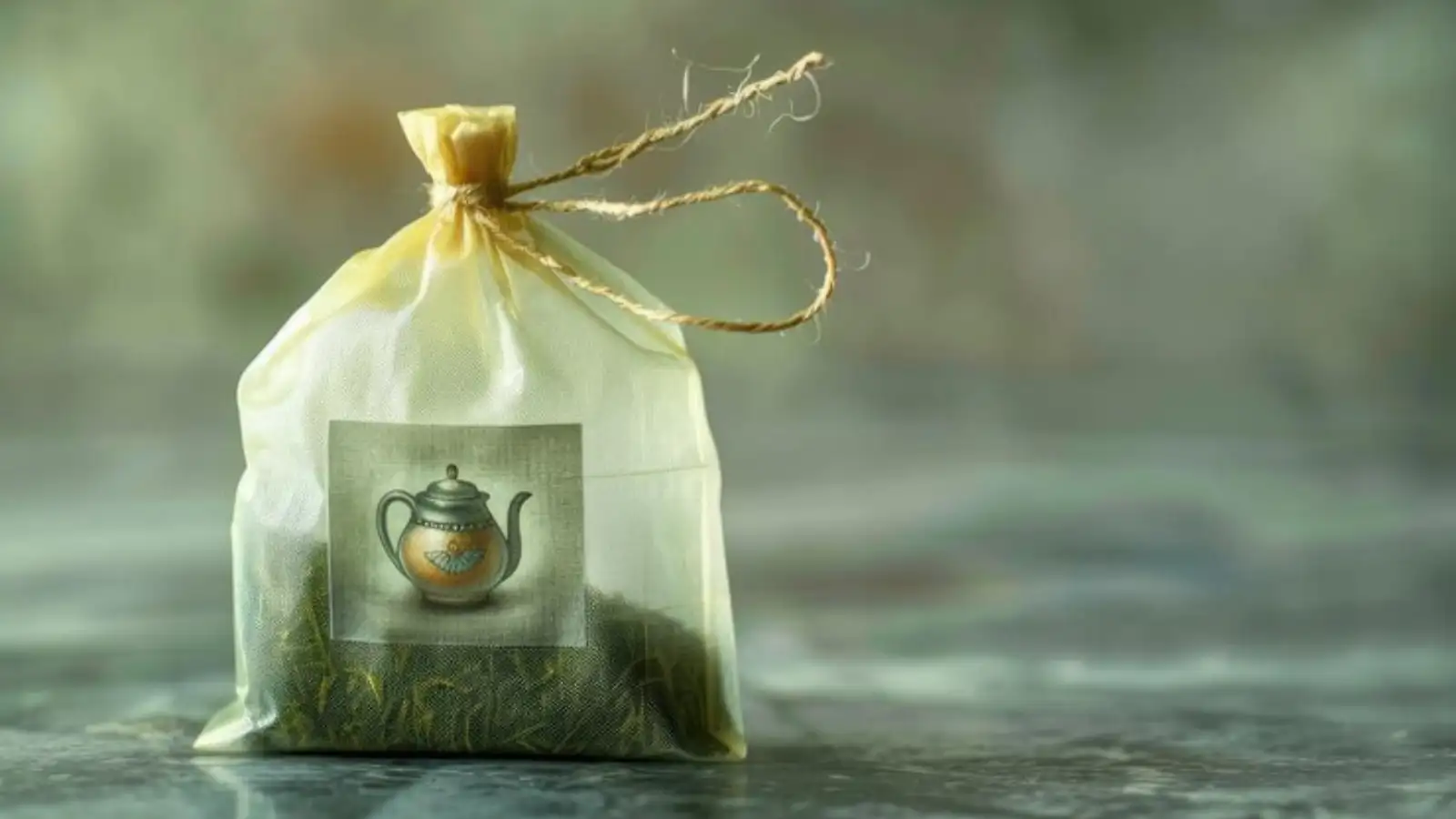
In 1908, Thomas Sullivan, a New York tea merchant, accidentally introduced tea bags by sending out silk sachets of tea.
Customers mistakenly dipped the entire bag into hot water - and found it incredibly convenient.
Over time, tea bags evolved from silk to paper and plastic materials, now dominating the global market.
Most are made from bleached paper mixed with synthetic fibres like polypropylene for durability.
Premium-looking “silken” bags are often made from nylon or PET plastic.
Tea inside bags usually consists of fannings or dust—lower-grade, finely broken tea particles.
1. Microplastic Exposure
2. Chemical Coatings
3. Lower Tea Quality
4. Environmental Waste
✅ Loose Leaf Tea
✅ Reusable Infusers & Strainers
✅ French Press
✅ Teapots with Built-in Infusers
This International Tea Day, celebrate responsibly. While tea bags may be convenient, they often come with hidden costs to your health and the environment. Opting for loose-leaf tea and sustainable brewing tools not only enhances your tea experience but also supports a healthier planet - one cup at a time.
You may also like
- Indian Railways planning a second Vande Bharat Sleeper on Delhi–Varanasi route: A look inside the train
- How to Get a Learning License? Know the Full Process from Application to Test
- Why Daily Fatigue, Stubborn Acne, and Hair Loss Point to PMOS
- Vulvar Itching During Pregnancy: Could It Be Lichen Sclerosus?
- Pinch', 'tease': Bhaiya ki ego hurt ho gayi kya?
The True Purpose of International Tea Day
- Celebrated on May 21st since 2019 by UN declaration.
- Aims to promote sustainable tea farming, support for tea-growing communities, and global appreciation for tea’s cultural impact.
- Originally observed on December 15 by major tea-producing nations like India, Sri Lanka, and Kenya, before shifting to May.
The Invention of the Tea Bag : A Convenient Mistake?
In 1908, Thomas Sullivan, a New York tea merchant, accidentally introduced tea bags by sending out silk sachets of tea.
Customers mistakenly dipped the entire bag into hot water - and found it incredibly convenient.
Over time, tea bags evolved from silk to paper and plastic materials, now dominating the global market.
What’s Really in a Tea Bag?
Most are made from bleached paper mixed with synthetic fibres like polypropylene for durability.
Premium-looking “silken” bags are often made from nylon or PET plastic.
Tea inside bags usually consists of fannings or dust—lower-grade, finely broken tea particles.
Why You Should Rethink Tea Bags
1. Microplastic Exposure
- Plastic-based tea bags can release billions of microplastics into your cup.
- These particles may pose long-term health risks, although research is still ongoing.
2. Chemical Coatings
- Some paper bags are treated with epichlorohydrin, a chemical linked to cancer.
- Bleaching agents used to whiten the bags may also carry harmful residues.
3. Lower Tea Quality
- Tea dust used in bags tends to lose flavour and health benefits compared to whole-leaf tea.
4. Environmental Waste
- Plastic-laced tea bags are often non-biodegradable, contributing to global plastic pollution.
- Even many so-called “compostable” tea bags contain trace plastics.
How to Check If Your Tea Bags Are Safe
- Labels matter: Look for terms like “plastic-free,” “100% compostable,” or “biodegradable.”
- Touch test: Meshy, shiny bags often contain plastic. Paper bags feel rough and fibrous.
- Rip test: If the bag doesn’t tear easily when wet, it likely has plastic fibres.
- Choose brands that transparently disclose materials and support sustainable practices.
Better Alternatives to Tea Bags
✅ Loose Leaf Tea
- Offers superior flavour and nutritional value.
- Available in a variety of blends and qualities.
✅ Reusable Infusers & Strainers
- Simple tools like steel mesh balls or silicone cups let you brew loose tea without waste.
✅ French Press
- Not just for coffee! Ideal for brewing larger tea leaves without any disposable components.
✅ Teapots with Built-in Infusers
- A traditional yet modern way to enjoy tea with zero plastic and maximum taste.
This International Tea Day, celebrate responsibly. While tea bags may be convenient, they often come with hidden costs to your health and the environment. Opting for loose-leaf tea and sustainable brewing tools not only enhances your tea experience but also supports a healthier planet - one cup at a time.






Loving Newspoint? Download the app now
