
Is A Banana Healthier Than A Banana Milkshake For Digestion?

Bananas are widely considered one of the easiest fruits to digest and are often recommended for gut health. But what happens when you turn this simple fruit into a banana milkshake? While both options are popular, they do not affect digestion in the same way. Understanding how your body responds to each can help you make smarter choices for digestive comfort and overall gut health.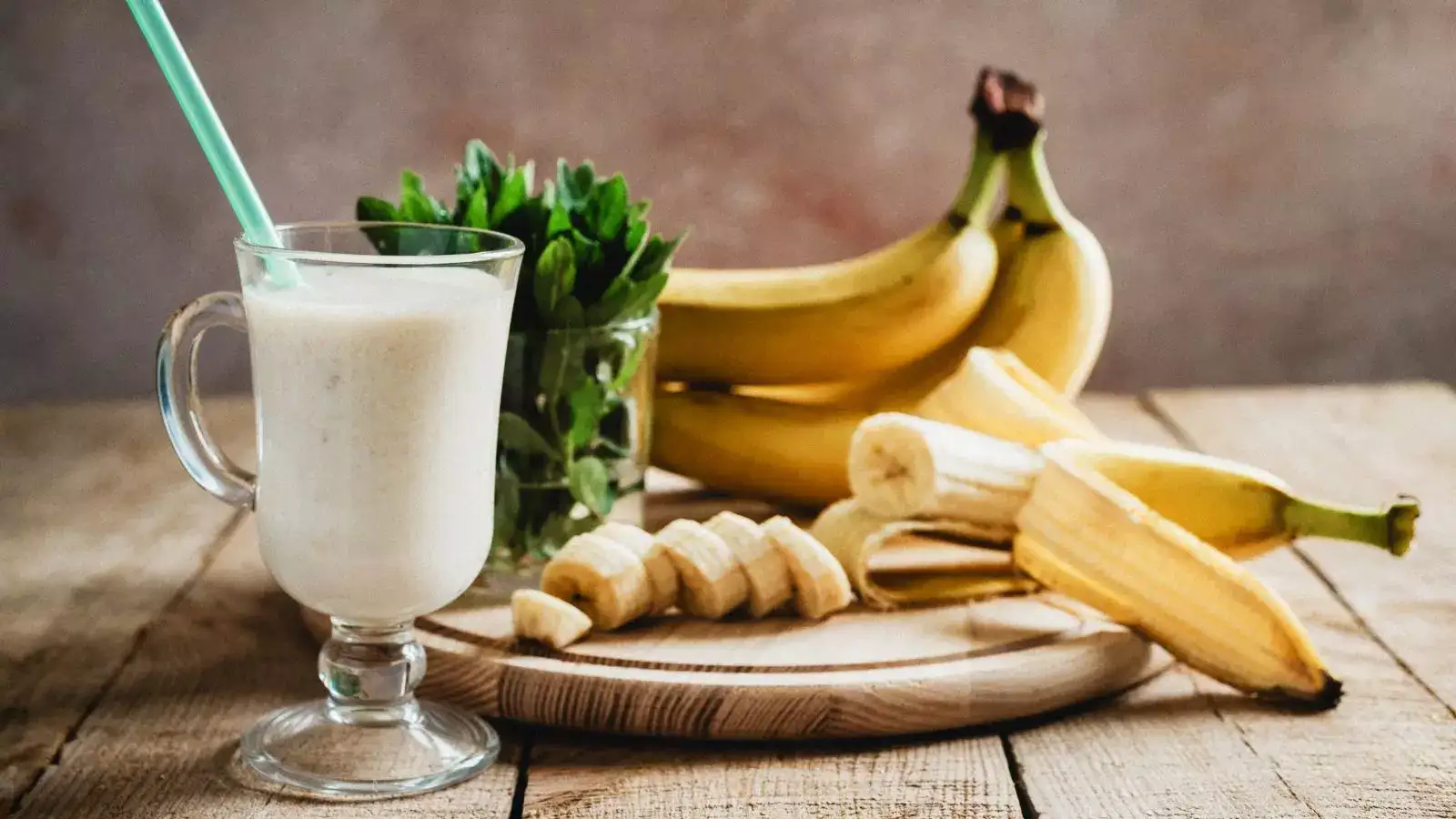
Eating a whole banana supports digestion right from the first bite. Chewing stimulates saliva production, which contains enzymes that begin breaking down food even before it reaches the stomach. This early digestive process helps the gut absorb nutrients more efficiently and keeps digestion smooth. For this reason, whole bananas are often suggested as a quick snack for people dealing with acidity, bloating or an unsettled stomach.
Banana milkshakes, however, behave differently inside the body. When bananas are blended with milk, the mixture becomes heavier and can take longer to digest. For some people, milk and banana together may curdle in the stomach, slowing down digestion and causing discomfort. Those with sensitive digestion or lactose intolerance are more likely to experience bloating or heaviness after consuming banana milkshakes.
One key difference lies in chewing. When you eat a whole banana, chewing activates saliva, which prepares the digestive system for the incoming food. Smoothies and milkshakes bypass this crucial step, sending food directly to the stomach without the initial enzyme activation. Saliva plays an important role in early digestion and nutrient absorption, and skipping this step can delay gastric processing.
Gut health experts often point out that combining fruits with milk is not ideal for everyone. While bananas are gentle on the stomach, milk takes longer to digest. When eaten together, the digestive system has to work harder, which may lead to sluggish digestion. This is why some nutritionists suggest consuming bananas and milk separately for better gut comfort.
If you enjoy both, timing can make a difference. Instead of blending them together, you could eat a banana as a mid-morning or post-meal snack and have milk one or two hours later. This allows the gut to process each food individually, reducing the chances of digestive discomfort while still providing nutritional benefits.
That said, an occasional banana milkshake is unlikely to harm your gut health. Moderation plays a bigger role than complete avoidance. Paying attention to how your body reacts is essential, as digestion varies from person to person. If you feel light and comfortable after a milkshake, it may work for you.
In the long run, whole bananas remain the safer option for daily consumption when gut health is the priority. Banana milkshakes are best enjoyed occasionally, especially if you have a sensitive digestive system. Listening to your body is the simplest way to decide which option suits you best.
Eating a whole banana supports digestion right from the first bite. Chewing stimulates saliva production, which contains enzymes that begin breaking down food even before it reaches the stomach. This early digestive process helps the gut absorb nutrients more efficiently and keeps digestion smooth. For this reason, whole bananas are often suggested as a quick snack for people dealing with acidity, bloating or an unsettled stomach.
Banana milkshakes, however, behave differently inside the body. When bananas are blended with milk, the mixture becomes heavier and can take longer to digest. For some people, milk and banana together may curdle in the stomach, slowing down digestion and causing discomfort. Those with sensitive digestion or lactose intolerance are more likely to experience bloating or heaviness after consuming banana milkshakes.
One key difference lies in chewing. When you eat a whole banana, chewing activates saliva, which prepares the digestive system for the incoming food. Smoothies and milkshakes bypass this crucial step, sending food directly to the stomach without the initial enzyme activation. Saliva plays an important role in early digestion and nutrient absorption, and skipping this step can delay gastric processing.
Gut health experts often point out that combining fruits with milk is not ideal for everyone. While bananas are gentle on the stomach, milk takes longer to digest. When eaten together, the digestive system has to work harder, which may lead to sluggish digestion. This is why some nutritionists suggest consuming bananas and milk separately for better gut comfort.
If you enjoy both, timing can make a difference. Instead of blending them together, you could eat a banana as a mid-morning or post-meal snack and have milk one or two hours later. This allows the gut to process each food individually, reducing the chances of digestive discomfort while still providing nutritional benefits.
That said, an occasional banana milkshake is unlikely to harm your gut health. Moderation plays a bigger role than complete avoidance. Paying attention to how your body reacts is essential, as digestion varies from person to person. If you feel light and comfortable after a milkshake, it may work for you.
In the long run, whole bananas remain the safer option for daily consumption when gut health is the priority. Banana milkshakes are best enjoyed occasionally, especially if you have a sensitive digestive system. Listening to your body is the simplest way to decide which option suits you best.
Next Story