
Is It Safe to Lift Heavy Objects During Pregnancy?


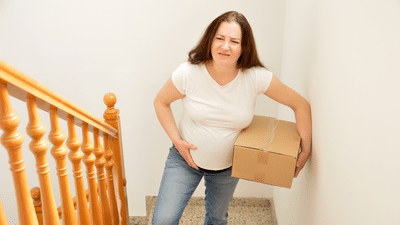
Lifting heavy objects during pregnancy is generally best avoided, particularly if the lifting is frequent, strenuous, or involves bending, reaching, or twisting. Occasional lifting of a light-to-moderate object is unlikely to cause a problem in an otherwise uncomplicated pregnancy. As pregnancy progresses, loosening ligaments, a shifting centre of gravity, and reduced core support make the body less equipped to handle sudden or heavy loads, raising the risk of muscle strain, pelvic pain, and, in some cases, preterm labour.
We spoke to Dr Shweta Mendiratta, Director & Head, Obstetrics - Gynaecology, Yatharth Super Speciality Hospital, Faridabad Sector 20, to get verified, expert insight on this.
How Much Weight Is Safe to Lift During Pregnancy?Clinical guidanceplaces the safe upper limit at around 10 to 11 kg for occasional lifting in an uncomplicated pregnancy, dropping further for repeated or daily lifting. This is roughly the weight of a full LPG cylinder, a sack of atta, or a toddler under two years old.
NIOSHnotes that lifting recommendations during pregnancy depend on factors such as the person's health, physical fitness, stage of pregnancy, and the specific lifting task.
If you lift objects regularly at work, ask about adjusting your duties: lighter loads, fewer lifts, shorter shifts, avoiding floor and overhead lifting, or more frequent breaks.

Why Is Heavy Lifting During Pregnancy a Concern?As pregnancy progresses, the growing uterus shifts your centre of gravity. Hormonal changes also make the ligaments around your joints softer. Together, these changes can affect your posture and balance.
Heavy lifting can put extra strain on the lower back, pelvis and abdominal muscles. The risk is higher when you:
"Lifting heavy objects can place extra strain on the back, abdominal muscles, and pelvic region. Doctors generally advise pregnant women to avoid heavy lifting, particularly those with complications or a higher risk of premature labour or a short cervix."
Dr Shweta Mendiratta, Director, Obs & Gyn, Yatharth Super Speciality Hospital
What Happens If You Lift Something Heavy While Pregnant?Heavy or repeated lifting has been linked to:
Safe Lifting Techniques During Pregnancy Occasional lifting of a moderately heavy object rarely causes serious harm, but incorrect technique, twisting motions, or lifting from a squat with a full bladder can add unnecessary strain.
Try to:
Frequent lifting of a child over 10–11 kg, or lifting combined with carrying up and down stairs, adds cumulative strain and is best limited from the second trimester onward.
Which Household Chores Count as Heavy Lifting?Everyday tasks often carry hidden lifting risk. Filling and carrying a full water bucket, lifting a filled pressure cooker, moving grocery sacks, or shifting furniture during festival cleaning all qualify as heavy lifting.
During festivals or wedding-season preparation, when household work increases, it helps to delegate lifting tasks and use trolleys or smaller containers instead of single large loads.
Traditional practices that involve prolonged squatting with a weight, such as grinding on a stone or carrying water over uneven ground, deserve the same caution as gym-based lifting.
When Should You See a Doctor After Lifting Something Heavy?Your doctor may advise you to avoid heavy lifting if you have a pregnancy complication such as bleeding, contractions, problems with the placenta, cervical problems, or a history that increases your risk of preterm birth.
Contact a doctor if lifting is followed by:
Whether you’re pregnant, a new mom, or navigating postpartum, you don’t have to do it alone. Join our support group to connect, share, and support one another.
FAQs on Is It Safe to Lift Heavy Objects During Pregnancy?Can I lift my older child during pregnancy?
Short, occasional lifts with proper technique are usually safe in a low-risk pregnancy, but frequent lifting of a child over 10–11 kg should be limited, especially after the first trimester. Can lifting heavy objects cause miscarriage?
Occasional lifting is unlikely to cause miscarriage in a low-risk pregnancy, though very heavy or repeated lifting has been linked to preterm labour and pelvic pain in some studies.
We spoke to Dr Shweta Mendiratta, Director & Head, Obstetrics - Gynaecology, Yatharth Super Speciality Hospital, Faridabad Sector 20, to get verified, expert insight on this.
How Much Weight Is Safe to Lift During Pregnancy?Clinical guidanceplaces the safe upper limit at around 10 to 11 kg for occasional lifting in an uncomplicated pregnancy, dropping further for repeated or daily lifting. This is roughly the weight of a full LPG cylinder, a sack of atta, or a toddler under two years old.
NIOSHnotes that lifting recommendations during pregnancy depend on factors such as the person's health, physical fitness, stage of pregnancy, and the specific lifting task.
If you lift objects regularly at work, ask about adjusting your duties: lighter loads, fewer lifts, shorter shifts, avoiding floor and overhead lifting, or more frequent breaks.
Why Is Heavy Lifting During Pregnancy a Concern?As pregnancy progresses, the growing uterus shifts your centre of gravity. Hormonal changes also make the ligaments around your joints softer. Together, these changes can affect your posture and balance.
Heavy lifting can put extra strain on the lower back, pelvis and abdominal muscles. The risk is higher when you:
- Lift an object from the floor
- Bend forward while lifting
- Twist your body while carrying something
- Reach overhead to lift
- Carry a heavy object for a long distance
- Lift repeatedly throughout the day
"Lifting heavy objects can place extra strain on the back, abdominal muscles, and pelvic region. Doctors generally advise pregnant women to avoid heavy lifting, particularly those with complications or a higher risk of premature labour or a short cervix."
Dr Shweta Mendiratta, Director, Obs & Gyn, Yatharth Super Speciality Hospital
What Happens If You Lift Something Heavy While Pregnant?Heavy or repeated lifting has been linked to:
- Pelvic girdle pain
- Lower back strain
- Abdominal muscle separation (less common)
Safe Lifting Techniques During Pregnancy Occasional lifting of a moderately heavy object rarely causes serious harm, but incorrect technique, twisting motions, or lifting from a squat with a full bladder can add unnecessary strain.
Try to:
- Keep the object close to your body.
- Bend your knees rather than bending from your waist.
- Keep your back as straight as possible.
- Lift using your legs rather than your back.
- Avoid twisting while lifting or carrying.
- Move your feet to turn instead of rotating your spine.
- Ask someone else to help with heavier objects.
Frequent lifting of a child over 10–11 kg, or lifting combined with carrying up and down stairs, adds cumulative strain and is best limited from the second trimester onward.
Which Household Chores Count as Heavy Lifting?Everyday tasks often carry hidden lifting risk. Filling and carrying a full water bucket, lifting a filled pressure cooker, moving grocery sacks, or shifting furniture during festival cleaning all qualify as heavy lifting.
During festivals or wedding-season preparation, when household work increases, it helps to delegate lifting tasks and use trolleys or smaller containers instead of single large loads.
Traditional practices that involve prolonged squatting with a weight, such as grinding on a stone or carrying water over uneven ground, deserve the same caution as gym-based lifting.
When Should You See a Doctor After Lifting Something Heavy?Your doctor may advise you to avoid heavy lifting if you have a pregnancy complication such as bleeding, contractions, problems with the placenta, cervical problems, or a history that increases your risk of preterm birth.
Contact a doctor if lifting is followed by:
- Abdominal cramping
- Lower back pain that does not ease with rest
- Vaginal bleeding or discharge
- Dizziness
- Reduced foetal movement
Whether you’re pregnant, a new mom, or navigating postpartum, you don’t have to do it alone. Join our support group to connect, share, and support one another.
FAQs on Is It Safe to Lift Heavy Objects During Pregnancy?
Short, occasional lifts with proper technique are usually safe in a low-risk pregnancy, but frequent lifting of a child over 10–11 kg should be limited, especially after the first trimester.
Occasional lifting is unlikely to cause miscarriage in a low-risk pregnancy, though very heavy or repeated lifting has been linked to preterm labour and pelvic pain in some studies.
Next Story