
Is It Safe To Sleep Under A Tree At Night? Here’s The Truth

Sleeping under a tree may feel calming, but it is not considered safe at night. The main reason lies in plant respiration at night, which affects oxygen and carbon dioxide levels in the surrounding air. While trees are essential for life, their behaviour changes after sunset.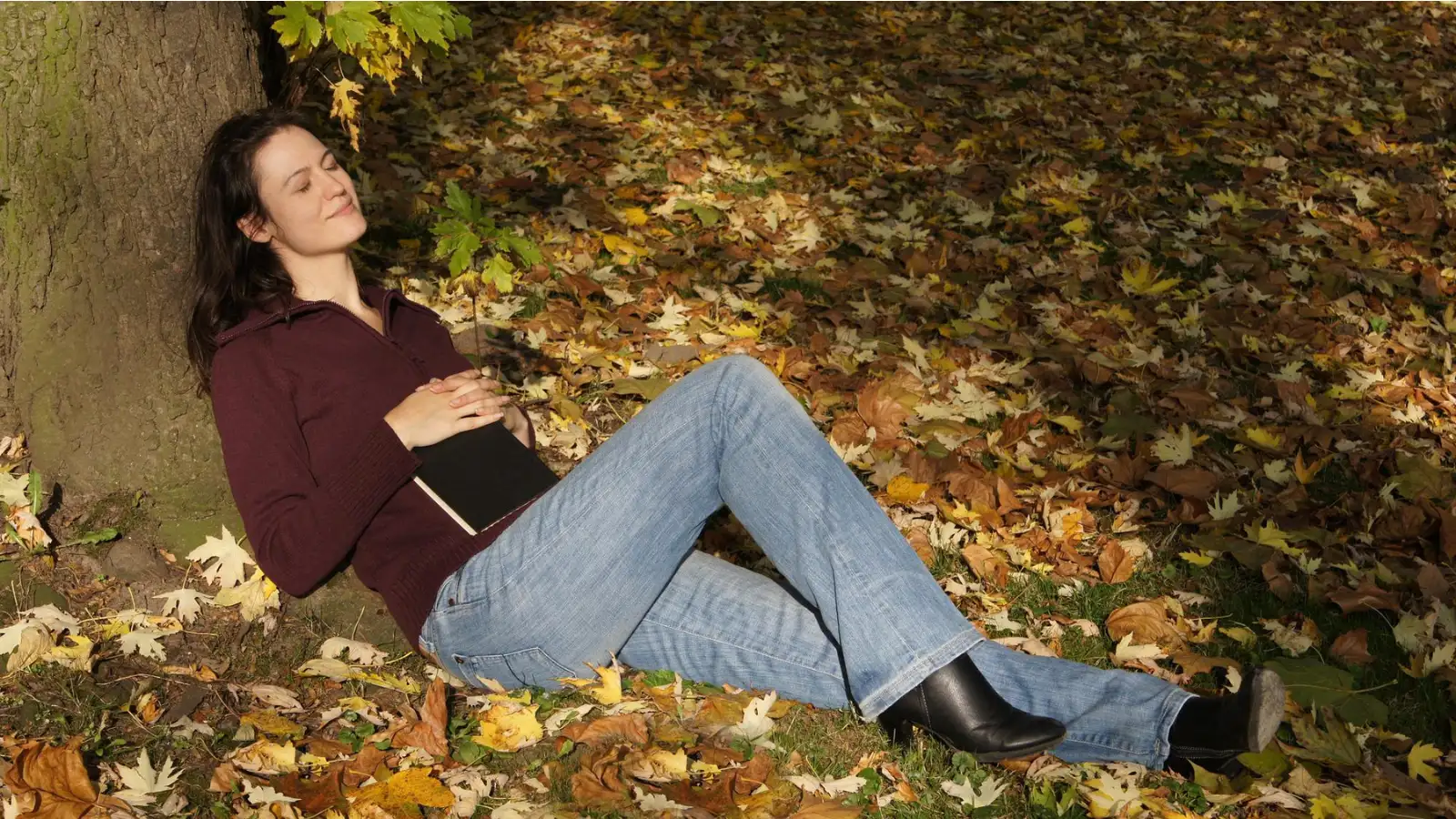
How Plants Function During the Day
During daylight, plants perform photosynthesis, a process where they use sunlight to convert carbon dioxide and water into glucose and oxygen. This is why trees are often associated with fresh air and a healthy environment.
In fact, during the day, plants absorb carbon dioxide and release oxygen, making the air around them cleaner and more breathable. This is why sitting under a tree during daytime feels refreshing.
What Happens at Night?
At night, the situation changes completely. Photosynthesis stops because sunlight is not available. However, respiration in plants continues throughout the day and night.
During respiration, plants consume oxygen and release carbon dioxide just like humans. As a result, the oxygen level around a tree may slightly decrease, while carbon dioxide levels increase in the immediate area.
Read More: Why You Should Sleep Before Midnight (Backed by Science)
Why Sleeping Under a Tree at Night Can Be Risky
Sleeping under a tree at night may lead to:
Although the effect may not always be extreme in open spaces, it can still cause uneasiness, particularly if multiple trees are present or the air is still.
Additional Safety Concerns
Apart from respiration, there are other reasons why you should avoid sleeping under trees at night:
Importance of Trees in Our Life
Despite this precaution, trees remain vital for the environment. They help reduce pollution, provide oxygen during the day, and maintain ecological balance. The key is to understand their natural processes and use that knowledge wisely.
While trees are essential for life, sleeping under them at night is not advisable due to plant respiration at night and reduced oxygen levels. For safety and comfort, it is always better to rest in open, well-ventilated spaces. Understanding this simple science helps us stay safe while appreciating the importance of nature.
How Plants Function During the Day
During daylight, plants perform photosynthesis, a process where they use sunlight to convert carbon dioxide and water into glucose and oxygen. This is why trees are often associated with fresh air and a healthy environment. In fact, during the day, plants absorb carbon dioxide and release oxygen, making the air around them cleaner and more breathable. This is why sitting under a tree during daytime feels refreshing.
What Happens at Night?
At night, the situation changes completely. Photosynthesis stops because sunlight is not available. However, respiration in plants continues throughout the day and night. During respiration, plants consume oxygen and release carbon dioxide just like humans. As a result, the oxygen level around a tree may slightly decrease, while carbon dioxide levels increase in the immediate area.
Read More: Why You Should Sleep Before Midnight (Backed by Science)
Why Sleeping Under a Tree at Night Can Be Risky
Sleeping under a tree at night may lead to: - Reduced oxygen levels in the immediate surroundings
- Increased carbon dioxide concentration
- Breathing discomfort or suffocation, especially in dense areas
Although the effect may not always be extreme in open spaces, it can still cause uneasiness, particularly if multiple trees are present or the air is still.
Additional Safety Concerns
Apart from respiration, there are other reasons why you should avoid sleeping under trees at night: - Falling branches or fruits can cause injury
- Insects and animals may inhabit trees
- Damp and cold air under trees may affect health
Importance of Trees in Our Life
Despite this precaution, trees remain vital for the environment. They help reduce pollution, provide oxygen during the day, and maintain ecological balance. The key is to understand their natural processes and use that knowledge wisely. While trees are essential for life, sleeping under them at night is not advisable due to plant respiration at night and reduced oxygen levels. For safety and comfort, it is always better to rest in open, well-ventilated spaces. Understanding this simple science helps us stay safe while appreciating the importance of nature.
Next Story