
Is Pink Salt Really Healthy or Just a Marketing Gimmick? Expert Weighs In

Is pink salt really healthy , or has it simply become the star of clever marketing? Across India, as more people adopt fitness-focused lifestyles, many households are swapping regular iodised salt for trendy pink salt, believing it to be richer in minerals and better for overall health.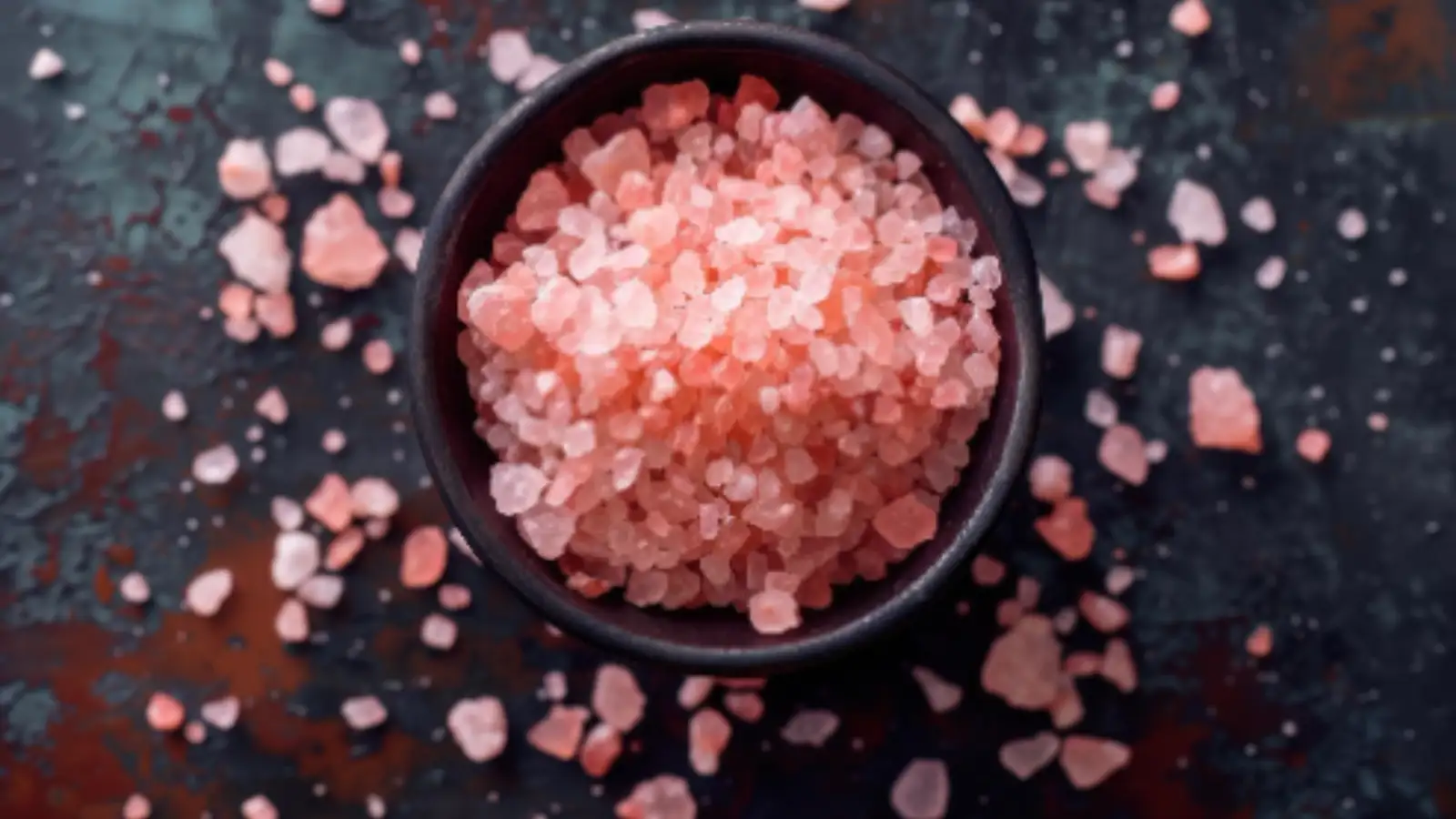
However, fitness coach Ralston D’Souza has raised concerns about this growing shift. According to him, the benefits of pink salt may be exaggerated - and replacing iodised salt without proper understanding could have long-term health consequences.
The Rise of Pink Salt in India
Pink salt, often marketed as “natural”, “pure”, and “mineral-rich”, has become a staple in modern kitchens. Social media, health influencers, and wellness brands frequently promote it as a superior alternative to refined white salt.
The appeal largely rests on two claims:
But do these claims hold up scientifically?
Does Pink Salt Really Offer More Minerals?
One of the biggest selling points of pink salt is its mineral content. It is said to contain small amounts of iron, magnesium, calcium and potassium - which give it the signature rosy colour.
However, according to D’Souza, the actual mineral quantities present in a typical serving are extremely low. To gain any meaningful nutritional benefit from these trace minerals, a person would need to consume salt in excessive amounts - which would be harmful due to high sodium intake.
In simple terms:
This makes the “mineral-rich” label more of a marketing highlight than a real nutritional advantage.
The Hidden Risk: Lack of Iodine
While pink salt is praised for what it contains, the bigger concern lies in what it often lacks — iodine.
Regular table salt in India is iodised for a critical reason. Iodine is essential for:
Back in the 1960s, iodine deficiency was a serious public health issue in India, leading to thyroid disorders and developmental complications. The nationwide iodisation of salt significantly reduced these risks.
By switching entirely to non-iodised pink salt, people may unknowingly increase their risk of iodine deficiency - especially if their diet does not compensate for it through other sources.
Is Pink Salt Just Clever Marketing?
D’Souza suggests that pink salt’s popularity may be driven more by branding than by science. Consumers are often willing to pay significantly more for pink salt, assuming it offers superior health benefits.
In reality:
The health halo around pink salt may therefore be stronger than the actual evidence supporting it.
So, Which Salt Should You Choose?
Moderation is key - regardless of the type of salt you use. Excess salt intake is linked to high blood pressure and other cardiovascular risks.
However, when consumed in balanced amounts:
Pink salt is not necessarily harmful, but it is not a miracle ingredient either. If you choose to use it, ensure your diet includes adequate iodine from other sources.
The idea that pink salt is automatically healthier is not entirely backed by science. While it may look appealing and sound impressive, its mineral benefits are minimal in practical terms.
Before replacing iodised salt completely, it’s important to understand what you might be giving up. Sometimes, the simplest kitchen staple - when used wisely - remains the healthiest choice.
However, fitness coach Ralston D’Souza has raised concerns about this growing shift. According to him, the benefits of pink salt may be exaggerated - and replacing iodised salt without proper understanding could have long-term health consequences.
The Rise of Pink Salt in India
Pink salt, often marketed as “natural”, “pure”, and “mineral-rich”, has become a staple in modern kitchens. Social media, health influencers, and wellness brands frequently promote it as a superior alternative to refined white salt.
The appeal largely rests on two claims:
- It contains essential trace minerals
- It is less processed and therefore healthier
But do these claims hold up scientifically?
Does Pink Salt Really Offer More Minerals?
One of the biggest selling points of pink salt is its mineral content. It is said to contain small amounts of iron, magnesium, calcium and potassium - which give it the signature rosy colour.
However, according to D’Souza, the actual mineral quantities present in a typical serving are extremely low. To gain any meaningful nutritional benefit from these trace minerals, a person would need to consume salt in excessive amounts - which would be harmful due to high sodium intake.
In simple terms:
- Yes, pink salt contains trace minerals.
- No, they are not present in amounts significant enough to impact health.
This makes the “mineral-rich” label more of a marketing highlight than a real nutritional advantage.
The Hidden Risk: Lack of Iodine
While pink salt is praised for what it contains, the bigger concern lies in what it often lacks — iodine.
Regular table salt in India is iodised for a critical reason. Iodine is essential for:
- Proper thyroid function
- Healthy brain development in children
- Preventing iodine deficiency disorders
- Supporting healthy pregnancy
Back in the 1960s, iodine deficiency was a serious public health issue in India, leading to thyroid disorders and developmental complications. The nationwide iodisation of salt significantly reduced these risks.
By switching entirely to non-iodised pink salt, people may unknowingly increase their risk of iodine deficiency - especially if their diet does not compensate for it through other sources.
Is Pink Salt Just Clever Marketing?
D’Souza suggests that pink salt’s popularity may be driven more by branding than by science. Consumers are often willing to pay significantly more for pink salt, assuming it offers superior health benefits.
In reality:
You may also like
- If a credit card holder dies, who will pay the balance, family or someone else; what are the rules?
- How many types of dark patterns do banks use? This is how they defraud you; understand every detail..
- Banks will be closed for 18 days in March, including Holi and Ram Navami. Here's how to handle your important work.
- Before the 22nd installment of the PM Kisan Yojana, the Modi cabinet gave a big gift, increasing the MSP of this crop..
- Can't get ration due to wrong address on your ration card? Make the changes; here's the easiest way..
- Both pink salt and white salt are primarily sodium chloride.
- Excess consumption of either is harmful.
- The real nutritional edge lies in iodised salt because of added iodine.
The health halo around pink salt may therefore be stronger than the actual evidence supporting it.
So, Which Salt Should You Choose?
Moderation is key - regardless of the type of salt you use. Excess salt intake is linked to high blood pressure and other cardiovascular risks.
However, when consumed in balanced amounts:
- Iodised table salt remains affordable and nutritionally reliable.
- It plays a proven role in preventing iodine deficiency.
Pink salt is not necessarily harmful, but it is not a miracle ingredient either. If you choose to use it, ensure your diet includes adequate iodine from other sources.
The idea that pink salt is automatically healthier is not entirely backed by science. While it may look appealing and sound impressive, its mineral benefits are minimal in practical terms.
Before replacing iodised salt completely, it’s important to understand what you might be giving up. Sometimes, the simplest kitchen staple - when used wisely - remains the healthiest choice.






More from our partners


Loving Newspoint? Download the app now
