
Is Refrigerator Water Safe in Summer? Pros and Cons Explained

As temperatures climb during the summer months, staying hydrated becomes more important than ever. For many households, refrigerator-dispensed water offers a cool, convenient option. But is refrigerator water safe to drink in the heat of summer? Let’s break down the pros and cons to help you decide whether your fridge water is a safe and healthy choice this season.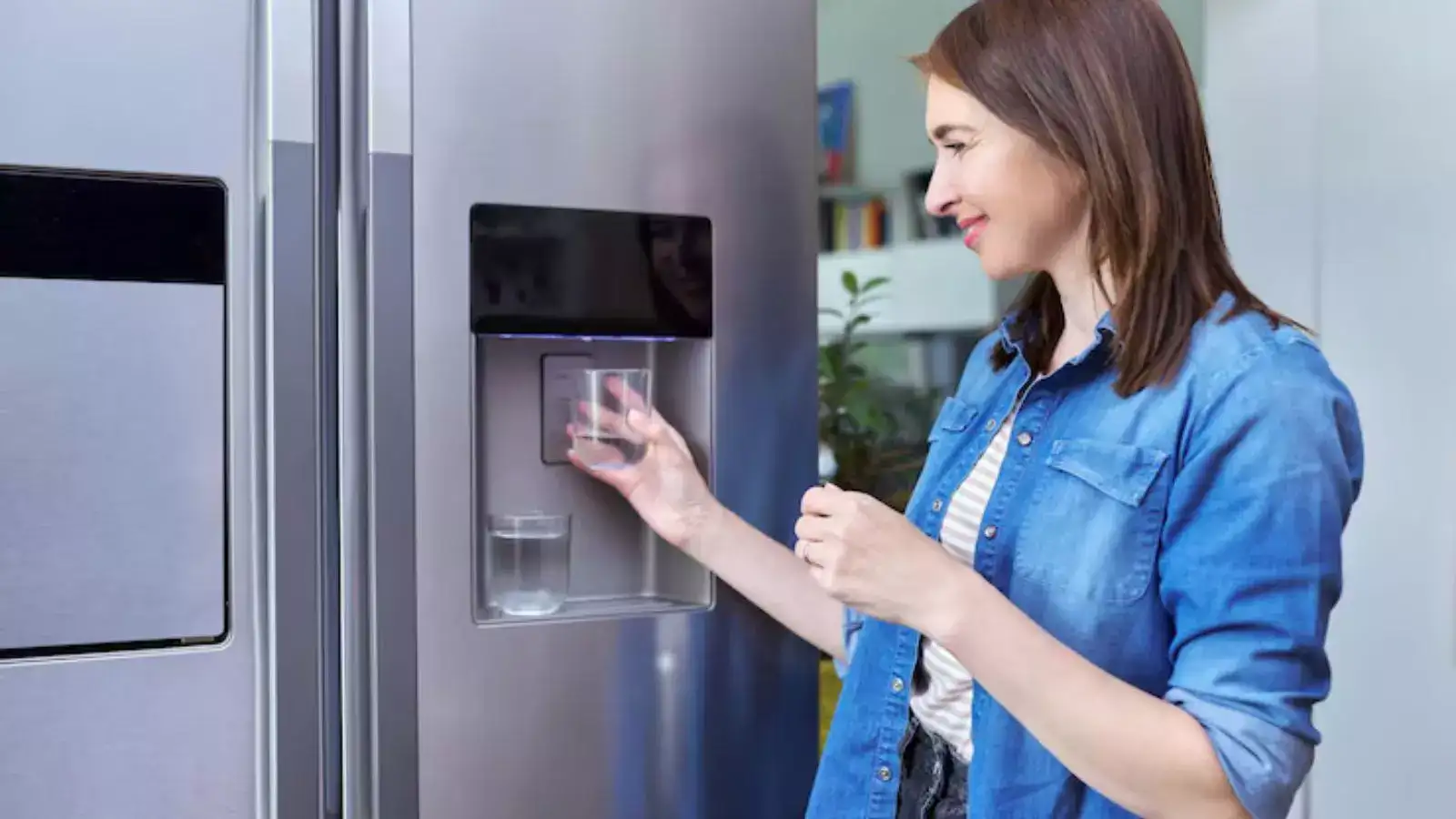
Pros of Refrigerator Water in Summer
Convenient Access to Cold Water
The biggest advantage is obvious—refreshingly cold water on demand. During hot weather, drinking cold water can help regulate your body temperature and keep you feeling energized.
Filtered for Safety
Most modern refrigerators come with built-in water filtration systems designed to remove contaminants like chlorine, lead, and certain bacteria. This is especially useful if your tap water isn’t ideal in taste or quality.
Encourages Hydration
When water is clean, cold, and easily accessible, you’re more likely to drink more of it. This can reduce your risk of dehydration—a common issue during summer.
Environmental Benefits
Using your refrigerator’s water dispenser means less reliance on single-use plastic water bottles. It's a more sustainable and cost-effective choice over time.
Cons and Concerns
Filter Maintenance is Critical
The effectiveness of fridge water depends heavily on how often you change the filter. An old or clogged filter can harbor bacteria, reduce water quality, and even cause foul odors or taste. In summer, when usage typically increases, filters may need replacing more frequently.
Bacteria and Mold Growth
The dispenser area can become a breeding ground for bacteria and mold if not cleaned regularly. Warm, humid air in summer can exacerbate this, especially in homes with high traffic or children frequently using the dispenser.
Not Immune to Local Water Contamination
If your municipal water supply has issues (like pipe corrosion or a boil advisory), the refrigerator’s filter may not be able to remove all contaminants. In such cases, bottled or boiled water might be safer.
Inconsistent Temperature
If your fridge isn’t cooling properly due to heavy use or technical issues in the summer, the water may not be as cold or safe as you think. Water kept above 60°F (15°C) for extended periods can become a breeding ground for bacteria.
Tips for Safe Refrigerator Water in Summer
Refrigerator water is generally safe to drink in summer—if you maintain the system properly. It offers convenience, cost savings, and a good environmental footprint. However, neglecting filter changes or hygiene can turn this convenience into a health risk.
So before you fill your glass, make sure your filter’s fresh and your dispenser is clean. That way, you can sip safely and stay cool all summer long.
Pros of Refrigerator Water in Summer
Convenient Access to Cold Water
The biggest advantage is obvious—refreshingly cold water on demand. During hot weather, drinking cold water can help regulate your body temperature and keep you feeling energized.
Filtered for Safety
Most modern refrigerators come with built-in water filtration systems designed to remove contaminants like chlorine, lead, and certain bacteria. This is especially useful if your tap water isn’t ideal in taste or quality.
Encourages Hydration
When water is clean, cold, and easily accessible, you’re more likely to drink more of it. This can reduce your risk of dehydration—a common issue during summer.
Environmental Benefits
Using your refrigerator’s water dispenser means less reliance on single-use plastic water bottles. It's a more sustainable and cost-effective choice over time.
Cons and Concerns
Filter Maintenance is Critical
The effectiveness of fridge water depends heavily on how often you change the filter. An old or clogged filter can harbor bacteria, reduce water quality, and even cause foul odors or taste. In summer, when usage typically increases, filters may need replacing more frequently.
Bacteria and Mold Growth
The dispenser area can become a breeding ground for bacteria and mold if not cleaned regularly. Warm, humid air in summer can exacerbate this, especially in homes with high traffic or children frequently using the dispenser.
Not Immune to Local Water Contamination
If your municipal water supply has issues (like pipe corrosion or a boil advisory), the refrigerator’s filter may not be able to remove all contaminants. In such cases, bottled or boiled water might be safer.
Inconsistent Temperature
If your fridge isn’t cooling properly due to heavy use or technical issues in the summer, the water may not be as cold or safe as you think. Water kept above 60°F (15°C) for extended periods can become a breeding ground for bacteria.
Tips for Safe Refrigerator Water in Summer
- Change the filter every 3–6 months or according to the manufacturer’s instructions.
- Clean the dispenser nozzle and drip tray weekly to prevent microbial buildup.
- Check your water quality if you suspect issues—local water quality reports are often available online.
- Don’t use it during boil advisories—fridge filters aren't designed to make biologically contaminated water safe.
- Monitor fridge temperature—keep it at or below 40°F (4°C) to ensure the water remains chilled and safe.
Refrigerator water is generally safe to drink in summer—if you maintain the system properly. It offers convenience, cost savings, and a good environmental footprint. However, neglecting filter changes or hygiene can turn this convenience into a health risk.
So before you fill your glass, make sure your filter’s fresh and your dispenser is clean. That way, you can sip safely and stay cool all summer long.
Next Story