
Is Sitting The New Smoking? Why The Viral Health Warning Is A Myth

Reports suggest that headlines claiming “sitting is the new smoking” dramatically overstate the health risks. While sitting for long periods does have some correlation with health issues, the risks are far smaller than the devastating effects of smoking on the body. Recent analyses emphasise that regular movement matters far more than simply avoiding sitting, and even modest activity can largely counteract sedentary behaviour.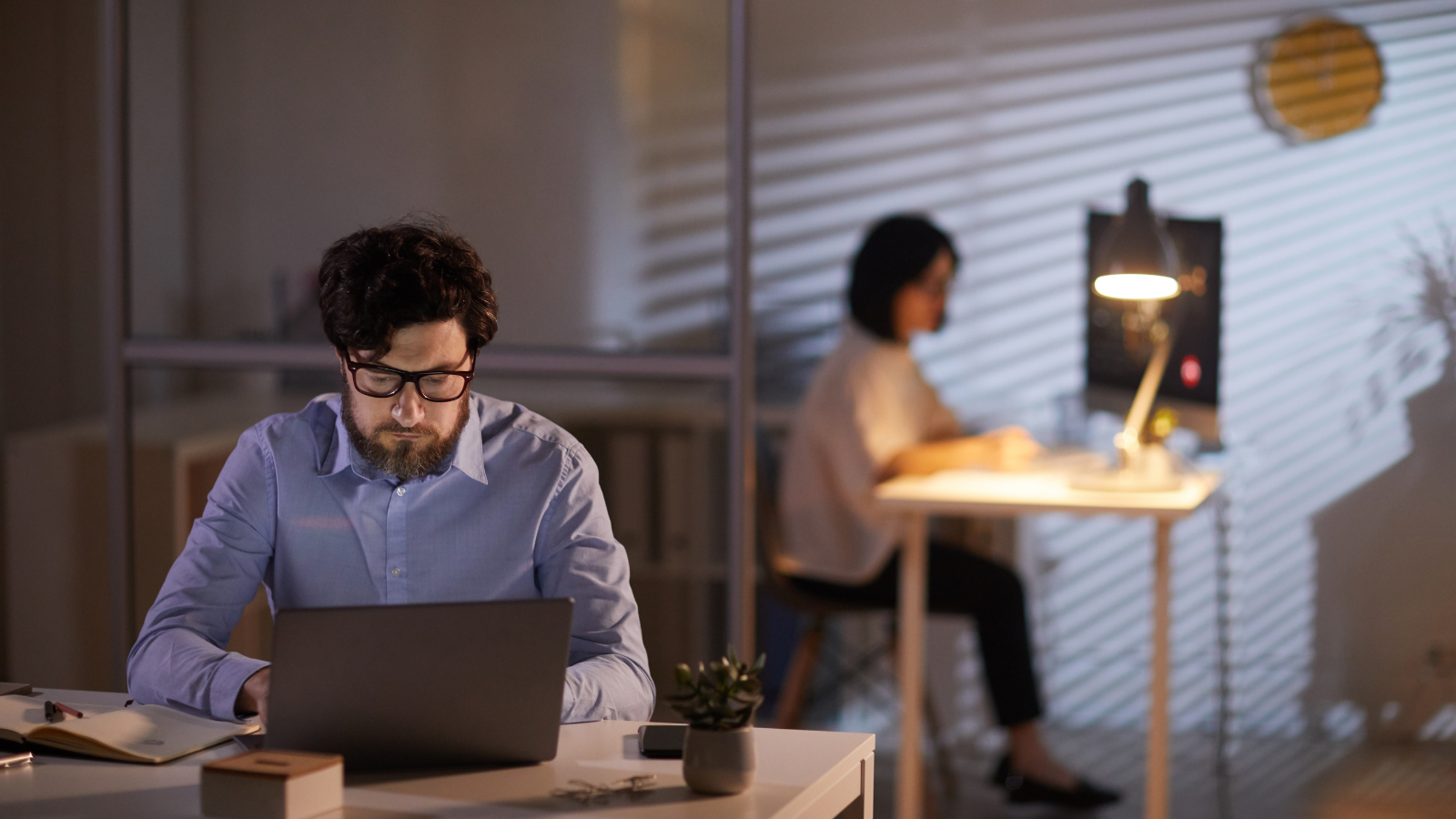
What reports say about sitting
Research shows that sitting for extended periods is associated with slightly higher risks for cardiovascular disease, diabetes, and premature mortality. However, these risks are modest, typically showing only a 10–30% increase compared with people who sit less. Smoking, by contrast, increases lung cancer risk dramatically and affects nearly every body system. Comparing the two exaggerates the danger of sitting while downplaying much larger health priorities.
Many studies on sitting are observational, which means they show correlation rather than direct cause. People who sit more may differ in other ways - diet, stress levels, exercise habits, or overall lifestyle—which could influence health outcomes. Reports emphasise that physical inactivity, rather than sitting itself, is the main driver of negative effects.
Even people who spend most of the day sitting can dramatically reduce health risks by engaging in regular physical activity. Short walks, stretching breaks, or standing occasionally are effective ways to counteract sedentary behaviour. This shows that staying active matters far more than worrying about sitting alone.
Why the “sitting panic” persists
The narrative that sitting is deadly has been amplified by media headlines and workplace wellness trends. Standing desks, fitness trackers, and wellness programmes are often promoted as solutions, creating a sense of urgency about sitting. While these interventions can encourage movement, reports caution that they do not address larger lifestyle factors affecting health.
Reports emphasise that behaviours such as smoking, poor diet, lack of exercise, inadequate sleep, chronic stress, and social isolation have a far greater impact on health than sitting. Someone who sits but maintains an active, balanced lifestyle will have better outcomes than someone who stands but engages in unhealthy behaviours. Over-focusing on sitting can divert attention from these more significant factors.
Balancing sedentary behaviour and movement
The key takeaway is balance. Sitting itself is not a major health threat, but incorporating regular movement throughout the day is essential. Walking meetings, taking stairs, parking further away, or standing and stretching periodically all support heart health, metabolism, and mental wellbeing. Reports stress that the benefits come from movement, not the act of avoiding sitting entirely.
Next time a headline warns that sitting is “killing you,” it is worth recognising this as an overstatement. Sitting matters, but modest daily activity is what truly protects health, and it is far more important to focus on broader lifestyle choices for long-term wellbeing.
What reports say about sitting
Research shows that sitting for extended periods is associated with slightly higher risks for cardiovascular disease, diabetes, and premature mortality. However, these risks are modest, typically showing only a 10–30% increase compared with people who sit less. Smoking, by contrast, increases lung cancer risk dramatically and affects nearly every body system. Comparing the two exaggerates the danger of sitting while downplaying much larger health priorities.Many studies on sitting are observational, which means they show correlation rather than direct cause. People who sit more may differ in other ways - diet, stress levels, exercise habits, or overall lifestyle—which could influence health outcomes. Reports emphasise that physical inactivity, rather than sitting itself, is the main driver of negative effects.
Movement outweighs sitting
You may also like
- CM Yadav condemns Congress MLA Baraiya's remarks on SC/ST women; says LoP Gandhi should take action
- Good governance around Bengal, change needed: PM Modi in Malda
 Not regular or institutionalised BRICS activity: MEA on Cape Town naval exercise
- Quote of the day by Oscar Wilde: 'Be yourself; everyone else is already taken'
- "Congress in tukde tukde mode": Shehzad Poonawalla
Even people who spend most of the day sitting can dramatically reduce health risks by engaging in regular physical activity. Short walks, stretching breaks, or standing occasionally are effective ways to counteract sedentary behaviour. This shows that staying active matters far more than worrying about sitting alone.
Why the “sitting panic” persists
The narrative that sitting is deadly has been amplified by media headlines and workplace wellness trends. Standing desks, fitness trackers, and wellness programmes are often promoted as solutions, creating a sense of urgency about sitting. While these interventions can encourage movement, reports caution that they do not address larger lifestyle factors affecting health. Other health priorities matter more
Reports emphasise that behaviours such as smoking, poor diet, lack of exercise, inadequate sleep, chronic stress, and social isolation have a far greater impact on health than sitting. Someone who sits but maintains an active, balanced lifestyle will have better outcomes than someone who stands but engages in unhealthy behaviours. Over-focusing on sitting can divert attention from these more significant factors.
Balancing sedentary behaviour and movement
The key takeaway is balance. Sitting itself is not a major health threat, but incorporating regular movement throughout the day is essential. Walking meetings, taking stairs, parking further away, or standing and stretching periodically all support heart health, metabolism, and mental wellbeing. Reports stress that the benefits come from movement, not the act of avoiding sitting entirely. Next time a headline warns that sitting is “killing you,” it is worth recognising this as an overstatement. Sitting matters, but modest daily activity is what truly protects health, and it is far more important to focus on broader lifestyle choices for long-term wellbeing.






More from our partners


Loving Newspoint? Download the app now
