
Is Your Cat Drinking Enough? Simple Ways to Support Daily Hydration

Cats do not show their drinking habits clearly, which can make hydration difficult for owners to judge. Some drink in short visits, while others take in fluid through wet food . Rather than assuming a quiet water bowl means a problem—or that it never matters—watch your cat's routine and notice changes.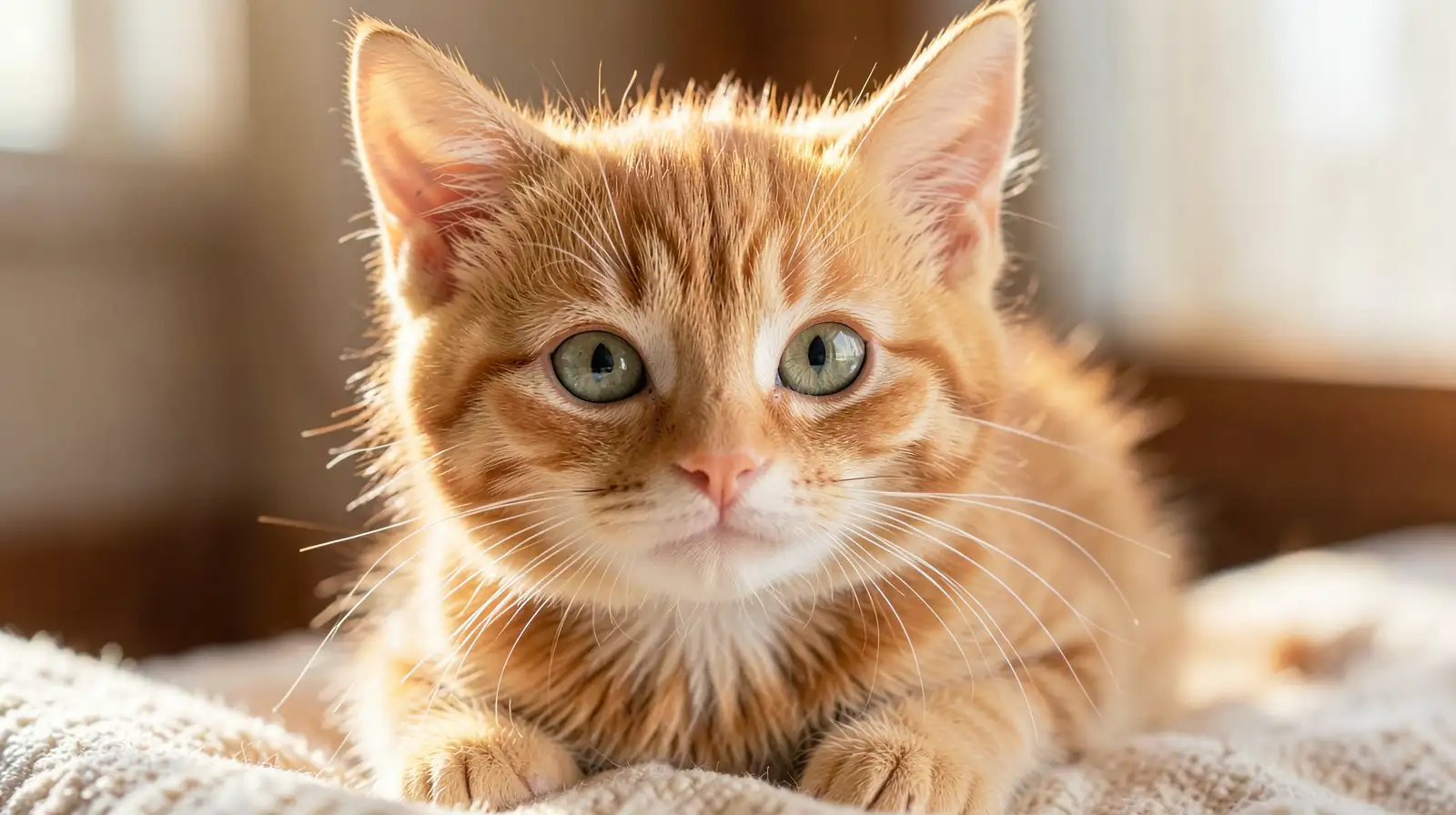
Fresh water should be available, and the bowl should be clean and easy to reach. Adjusting its position or type may encourage a reluctant drinker, but a sudden increase or decrease in thirst can signal illness. Home measures help, yet they do not replace veterinary advice when behaviour changes noticeably.
Wash the bowl daily and refill it with fresh water. If you have several cats, provide enough drinking stations to reduce competition. Keep water away from litter trays, and consider placing it a short distance from the food bowl if your cat seems to prefer that arrangement. A pet fountain may interest some cats, but it needs regular cleaning and is not essential.
If your cat accepts wet food, ask your vet whether it can fit into the existing diet. Any change should be gradual and appropriate to the cat's age and health. Do not dilute a complete diet or add supplements casually in an attempt to improve hydration.
Cat hydration is a daily care task, not a competition to make a pet drink a fixed amount. Keep fresh water available, notice what is normal for your cat and contact a vet if you see persistent changes or signs of illness. Small environmental adjustments can help, but medical problems need professional assessment.
Fresh water should be available, and the bowl should be clean and easy to reach. Adjusting its position or type may encourage a reluctant drinker, but a sudden increase or decrease in thirst can signal illness. Home measures help, yet they do not replace veterinary advice when behaviour changes noticeably.
Make water easy to find
Place clean water bowls in quiet, accessible spots where your cat already spends time. A bowl beside a noisy appliance or in a busy walkway may be less appealing. Some cats prefer wide, shallow dishes that do not press against their whiskers; others show no such preference. Try one change at a time and observe what your cat uses.Wash the bowl daily and refill it with fresh water. If you have several cats, provide enough drinking stations to reduce competition. Keep water away from litter trays, and consider placing it a short distance from the food bowl if your cat seems to prefer that arrangement. A pet fountain may interest some cats, but it needs regular cleaning and is not essential.
Consider moisture in food
Cats eating wet food may drink less from a bowl because they receive fluid through their meals. Cats on dry food generally rely more heavily on drinking water. This means the amount visible in the bowl does not tell the whole story. Avoid forcing water into a cat's mouth or adding flavourings without veterinary advice, as some ingredients may be unsuitable.If your cat accepts wet food, ask your vet whether it can fit into the existing diet. Any change should be gradual and appropriate to the cat's age and health. Do not dilute a complete diet or add supplements casually in an attempt to improve hydration.
Know when to seek help
A sudden change in thirst or urination deserves attention, particularly if it comes with vomiting, diarrhoea, low energy, poor appetite or weight loss. These signs can have several causes, and a veterinarian can assess the pattern rather than guessing from the water bowl alone. Never restrict water to reduce accidents or manage frequent urination.Cat hydration is a daily care task, not a competition to make a pet drink a fixed amount. Keep fresh water available, notice what is normal for your cat and contact a vet if you see persistent changes or signs of illness. Small environmental adjustments can help, but medical problems need professional assessment.
Next Story