
Is Your Kitchen Always Cluttered? Start with These Simple Changes Before Buying New Organisers

A crowded kitchen can make cooking feel harder than it needs to be. Drawers jam, ingredients disappear behind newer purchases, and duplicate utensils take up useful space. The answer is not necessarily buying organisers; often, a short, focused decluttering session reveals what you already own and helps the room work better.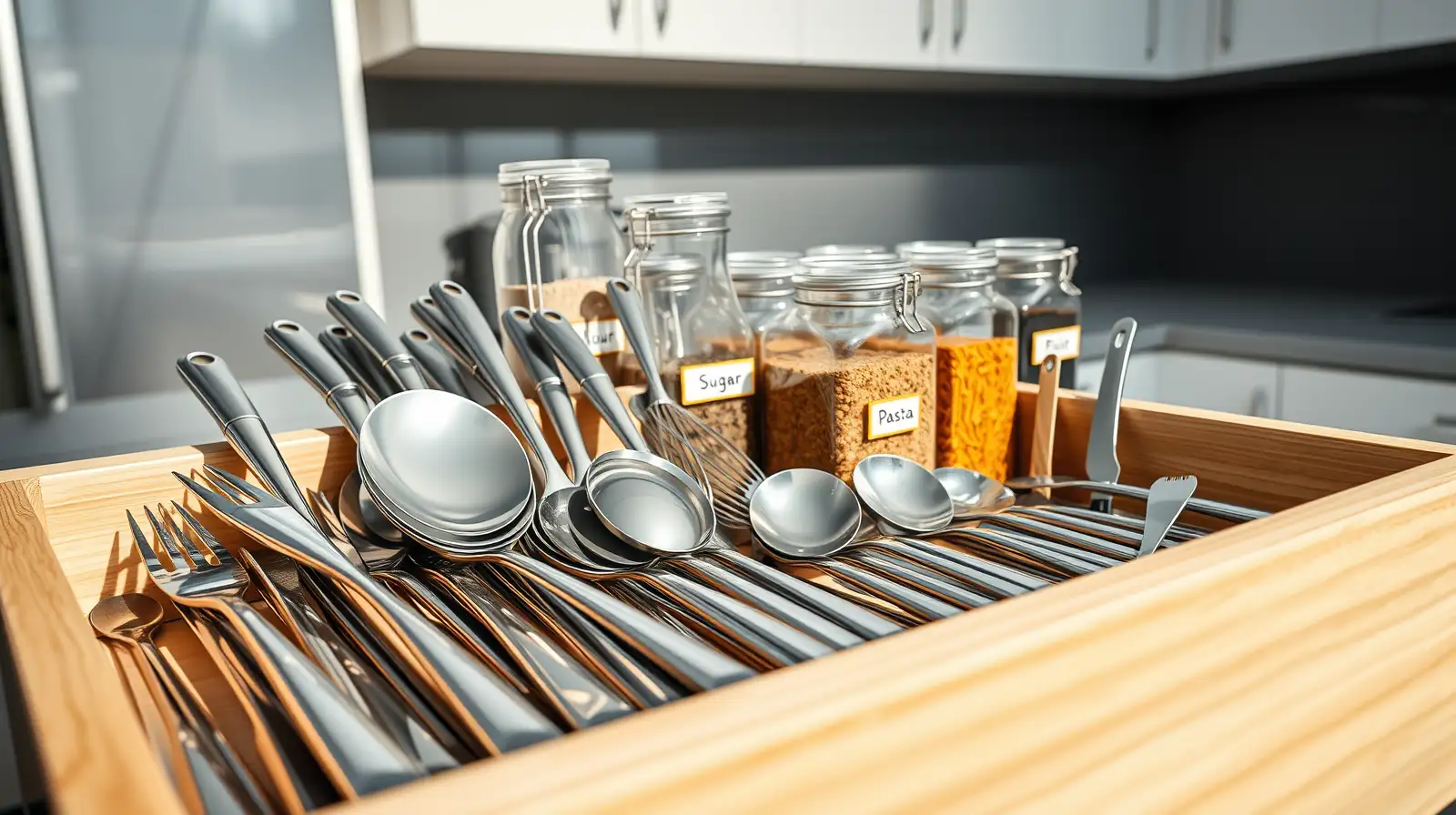
Start with one shelf or drawer rather than emptying the entire kitchen. Group similar items, check dates on packaged food and move frequently used tools within easy reach. A practical kitchen should support the way you cook every day, not resemble a display cupboard that is difficult to maintain.
Be realistic about kitchen equipment. A specialised gadget may seem useful, but if it has remained untouched for years, consider whether it deserves valuable space. Keep essential tools and appliances that suit your actual cooking habits rather than an idealised routine you rarely follow.
Clear containers can help you identify dry ingredients, but buying an entire matching set is not essential. Reuse suitable containers you already have, ensuring they are clean, dry and appropriate for food storage. Label items when their contents are difficult to recognise, especially if several ingredients look alike.
Before buying new kitchen products, measure the available space and decide what problem needs solving. Extra baskets can sometimes make a cupboard more crowded rather than more useful. A simpler layout, with fewer unnecessary items and a clear work surface, often provides the biggest improvement.
Decluttering does not need to happen in one exhausting afternoon. Tackle one area whenever you have a little time, and adjust the arrangement as your needs change. The goal is not a perfect-looking kitchen; it is a space where ingredients are easy to find, preparation feels manageable and cleaning takes less effort.
Start with one shelf or drawer rather than emptying the entire kitchen. Group similar items, check dates on packaged food and move frequently used tools within easy reach. A practical kitchen should support the way you cook every day, not resemble a display cupboard that is difficult to maintain.
Begin with one small area
Choose a single drawer, shelf or section of the worktop. Remove the contents, wipe the area clean and sort items into things you use regularly, items you rarely need and objects that no longer serve a purpose. Working in small sections makes the task easier to finish.You may also like
- Navratri skin prep: What to do and what not to try
- Vande Bharat completes successful 180 kmph trial on Mathura–Nagda section; what it means for rail travel
- Man eaten alive after entering Amur tiger enclosure at England's Yorkshire Wildlife Park; police urge public not to share videos
- EPFO Alert! Penalty Imposed if ECR Not Filed by October 15
- 45 Metro Stations Closed, Hundreds of Trains Cancelled! How Did the Protests Affect the Public?
Be realistic about kitchen equipment. A specialised gadget may seem useful, but if it has remained untouched for years, consider whether it deserves valuable space. Keep essential tools and appliances that suit your actual cooking habits rather than an idealised routine you rarely follow.
Give everyday items a sensible home
Store frequently used utensils near the area where you prepare food. Keep cooking oils and commonly used spices accessible, while placing occasional baking equipment or seasonal items in less convenient cupboards. Heavy cookware should be stored safely, with enough space to lift it without disturbing other objects.Clear containers can help you identify dry ingredients, but buying an entire matching set is not essential. Reuse suitable containers you already have, ensuring they are clean, dry and appropriate for food storage. Label items when their contents are difficult to recognise, especially if several ingredients look alike.
Prevent clutter from building up again
A short weekly check can help you notice ingredients running low, duplicate purchases and items returning to the wrong place. Review pantry dates and follow package instructions for storage. Discard food that appears spoiled, and avoid relying on smell alone to determine whether every food remains safe.Before buying new kitchen products, measure the available space and decide what problem needs solving. Extra baskets can sometimes make a cupboard more crowded rather than more useful. A simpler layout, with fewer unnecessary items and a clear work surface, often provides the biggest improvement.
Decluttering does not need to happen in one exhausting afternoon. Tackle one area whenever you have a little time, and adjust the arrangement as your needs change. The goal is not a perfect-looking kitchen; it is a space where ingredients are easy to find, preparation feels manageable and cleaning takes less effort.






Loving Newspoint? Download the app now
